
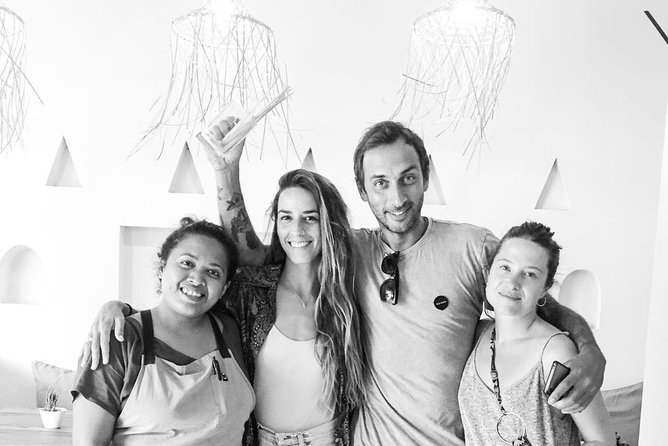
Reviewed · COOKING CLASSES
Cooking class in the comfort of your own personal villa. Yes, I’ll come to you!
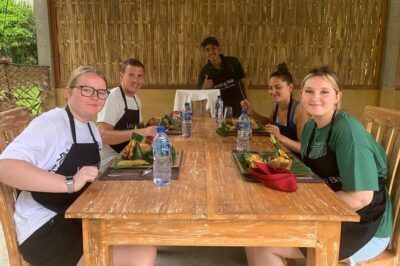
The best part of this cooking class is that the chef comes to your villa. Yohana Parapat brings the ingredients, teaches you to prepare Indonesian dishes in your own kitchen, then cleans up before leaving. You get a relaxed meal without having to find a restaurant or arrange a ride.
I like the personal menu planning and the easy, social setup. You can ask for vegetarian, vegan, or gluten-free changes, and you can buy the drinks you want for the meal. The main caution is timing: a three-hour session may feel rushed if your group prepares more than the promised three dishes.
- Yohana Parapat teaches in your Canggu villa, so you cook and eat without leaving your accommodation.
- The menu can be adjusted for vegetarian, vegan, gluten-free, and other stated dietary needs.
- Ingredients, dinner or lunch, and cleanup are included, with no shopping or washing up for you.
- Indonesian favorites may include gado-gado, corn fritters, sweet soy chicken, and klepon, a coconut and palm sugar sweet.
- The private format suits families, couples, and groups, though larger menus require careful time planning.
- The $50 price buys convenience as well as food, but value depends on group size and how much hands-on instruction you want.
Your Villa Becomes the Cooking School
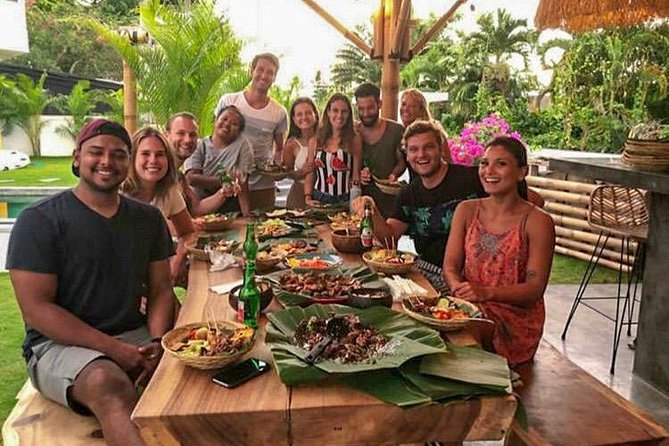
This is a private cooking lesson brought directly to your accommodation in the Canggu area. The listed meeting point is Canggu, Kuta Utara, in Badung Regency, Bali, and the class ends back at that same point, meaning your villa is the practical center of the activity.
That arrangement changes the feel of the evening. You do not spend time getting to a cooking school, and you can settle into your own dining area after the food is ready. If your villa has a comfortable kitchen and a table for the group, you already have the setting for both the lesson and the meal.
Yohana brings the food supplies. You do not need to shop for vegetables, spices, meat, or other ingredients before she arrives. She also takes care of the cleaning afterward, which matters more than it may sound when a menu uses several herbs, sauces, and cooking vessels.
The class lasts about three hours. It is designed around three Indonesian dishes, although the exact menu can change. Options listed for the class include gado-gado salad, corn fritters, chicken in sweet soy sauce, and klepon. The cooking process may also include dishes such as potato cakes, chicken curry, or satay, depending on the plan made for your group.
That last point is important. A menu with three dishes gives you a manageable introduction to Indonesian cooking. A larger menu gives you more food and variety, but it can leave less time for explanation and practice.
What You May Cook: From Gado-Gado to Klepon
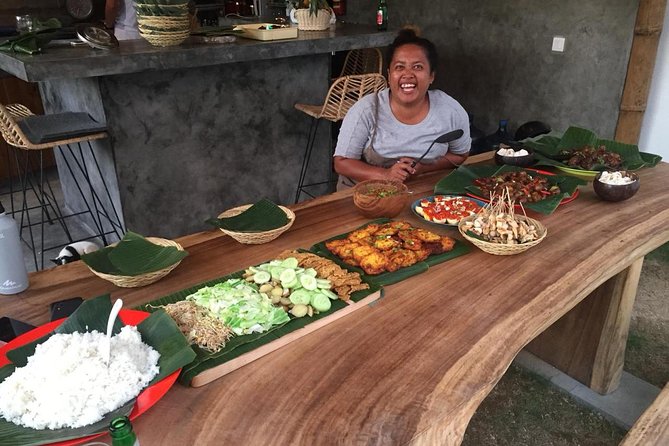
The class gives you a taste of several sides of Indonesian food rather than focusing on one narrow recipe.
Gado-gado is a useful first dish because it shows how Indonesian food balances vegetables with a savory peanut sauce. You can learn how the ingredients are prepared and how the sauce brings the dish together. It is also a natural choice for a vegetarian or vegan menu, depending on the ingredients used.
Corn fritters provide a more hands-on cooking task. They are simple to understand, but the texture depends on the mixture and the cooking method. This sort of dish is well suited to a home lesson because you can see how small changes affect the result.
Chicken in sweet soy sauce introduces one of the country’s familiar flavor combinations. Sweet soy sauce gives the dish its name and a dark, savory sweetness. If your group includes people who do not eat chicken, tell Yohana clearly before the menu is finalized. The class is designed to be adjustable, but menu planning works best when every preference is discussed in advance.
Klepon gives the meal a dessert course. These small coconut-covered sweets use palm sugar and offer a different kind of cooking task from a curry or salad. They also make a memorable item to recreate at home, provided you note the steps as you go.
Some groups have cooked two chicken dishes, curries, or satay in addition to other items. That can be a generous meal, but it also explains why one class felt hurried when six dishes were prepared in three hours. If you want careful instruction rather than a large spread, ask for three dishes and keep the menu focused.
More Cooking Classes in Bali
- Balinese Farm Cooking Class by Pemulan Bali
★ 5.0 · 410 reviews - Balinese Cooking class with traditional morning market visit
★ 5.0 · 161 reviews - Jambangan Bali Cooking Class
★ 5.0 · 142 reviews
How the Three Hours Usually Work
The class begins with Yohana arriving at your villa with the ingredients and setting up in your kitchen. The available details do not specify a fixed minute-by-minute schedule, so the exact order depends on the menu and your kitchen.
You can expect to take part in preparing the food rather than simply watching a chef work. The central appeal is learning the steps, combining herbs and spices, and helping bring the dishes to the table. One particularly useful technique is making a spice paste by combining and grinding herbs and spices. That process helps you understand where much of the flavor comes from.
The cooking lesson then moves toward a shared meal. Lunch and dinner are included, along with the ingredients and cleaning. You eat at your villa, where you can arrange the drinks yourself. That is a small but welcome advantage over a restaurant-based class, since your group can choose what to serve without paying for a preset beverage package.
The final stage is cleanup. Yohana washes up before she leaves, so you are not left with a sink full of pans and mixing bowls. For a private villa activity, this practical service is one of the strongest reasons to choose the class.
The best pace depends on your group. Three people who want to ask questions and practice each step may need a simpler menu. A large group that wants several dishes may need to agree in advance that the session will move quickly.
A Personal Teacher Rather Than a Large Class
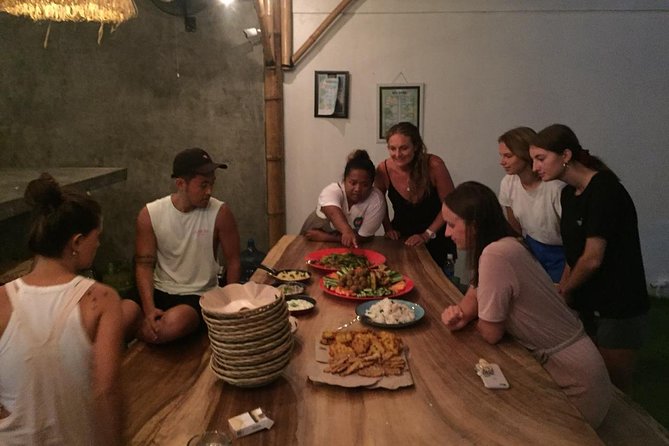
Yohana’s teaching style appears to be informal and social. She is described as down to earth, entertaining, patient, and good at adapting to the group. Her stories and humor are part of the evening, so this is not a silent demonstration followed by a meal.
That personality matters in a villa. You are not sitting in a classroom with strangers or following a large group from one cooking station to another. The class is limited to your own party, which lets you set the mood and ask for help as you cook.
The private format also helps with mixed groups. One group of seven had different likes and dislikes, and Yohana handled the changing preferences. Another group received recipes adapted for gluten-free needs. These examples suggest that the class can work well for groups with varied diets, but you should provide exact information before the appointment.
Families can also take part. A booking involving young children required extra adjustment, so parents should be realistic about the pace and attention span of small children. The cooking class is not presented as a separate children’s program, but children may be included when the group discusses the plan with Yohana.
How Well Does the Custom Menu Work?
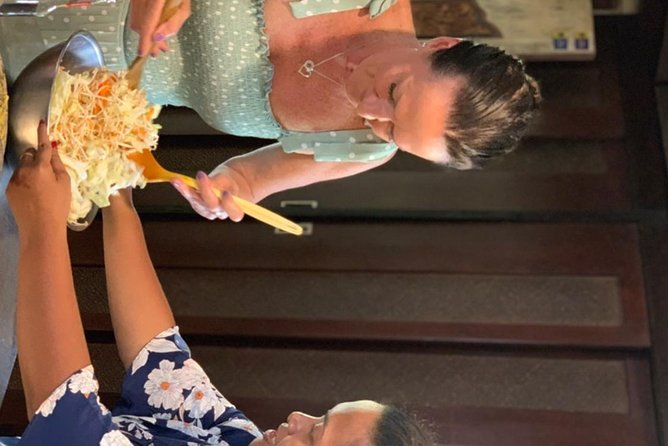
The ability to adjust the menu is one of the class’s strongest features. Vegetarian and vegan participation is specifically supported, and the experience can also accommodate stated dietary requests such as gluten-free alternatives.
The menu is not described as a fixed set of three recipes. That gives you room to select dishes your group will actually eat. It also means you should not assume that every example dish will appear in your class.
I would send Yohana a clear list before the session:
- Who eats meat, chicken, or seafood
- Who is vegetarian or vegan
- Any gluten, nut, or other dietary concerns
- Which Indonesian dishes interest the group most
- Whether you prefer a smaller menu with more instruction
The chicken issue is a useful warning. If one person dislikes chicken but the rest of the group wants it, the menu may reasonably include chicken. Still, this should be settled plainly before cooking begins. Good communication prevents an evening built around dishes that one member cannot enjoy.
You should also ask how many dishes the proposed menu contains. The advertised plan is three dishes, but some sessions have included six. More dishes can mean more food, yet less time at each station.
A completely different kind of day out in Bali:
- Bali Full-Day Traditional Village Sightseeing Trip All Inclusive
★ 5.0 · 3,069 reviews - ️ Bali Instagram Tour: The Most Famous Spots (Private & All-Inclusive)
★ 5.0 · 2,857 reviews - Full-Day Tour to Water Temples and UNESCO Rice Terraces in Bali
★ 5.0 · 2,539 reviews - ATV Quad Bike Through Tunnel and Waterfall in Bali
★ 5.0 · 2,098 reviews
What $50 per Person Really Buys
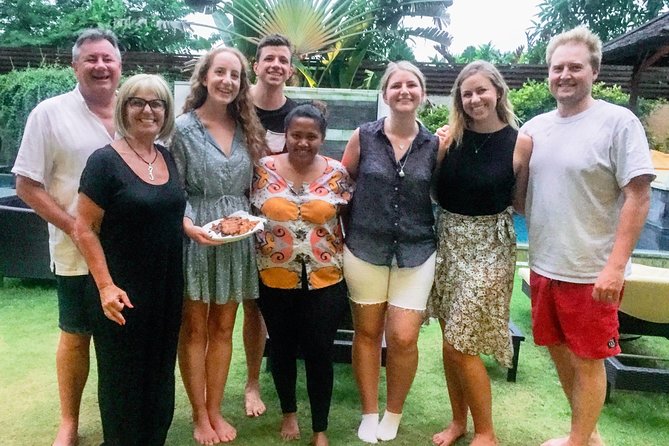
At $50 per person, this is not priced like a cheap meal ordered from a local delivery app. You are paying for food, instruction, shopping, transport of supplies to the villa, private attention, and cleanup.
For a group that values convenience, the price can make sense. You do not need to organize a taxi, find a cooking school, buy ingredients, or wash dishes. The meal also becomes part of the activity rather than a separate restaurant bill.
The value is less clear if your main goal is simply to eat Indonesian food. You can certainly find less expensive meals in Bali, and one unhappy participant felt that ordering food would have offered better value. This class earns its price through participation and personal attention, not through the lowest cost per plate.
Group size affects the calculation. A private lesson for a couple gives you more direct contact with the chef, but the per-person cost is higher in total. A larger group spreads the fixed effort across more people, though too many menu items can make the lesson rushed.
The class is often booked about 26 days ahead, so I would not leave it until the final day of a Canggu stay if this is important to you. Availability is not guaranteed until confirmation, which is sent within 48 hours of booking.
Food, Stories, and the Villa Setting
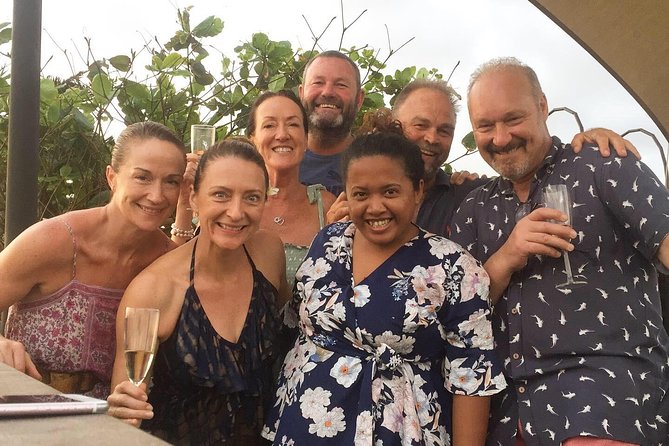
The strongest part of this activity is the combination of cooking and conversation. You are not only collecting a plate of food. You are learning how several Indonesian ingredients work together, then sitting down with the people you came with to eat what you prepared.
Yohana’s humor and personal style add to that setting. Her approach is described as flexible and entertaining, which should suit a group looking for an easy evening rather than a formal culinary course.
The villa setting also lets you control the social side of the meal. You can buy your own drinks, use your own table, and continue the evening at your accommodation. That makes the class particularly practical after a day when you do not want another trip across Bali.
There are limits to the format. Your kitchen may not be arranged like a professional teaching kitchen, and the available details do not promise recipe handouts. One person specifically found the lack of take-home recipes disappointing. If you want to recreate the meal later, bring a notebook or ask Yohana during the class if you can write down the ingredient amounts and method.
Who Will Enjoy This Most
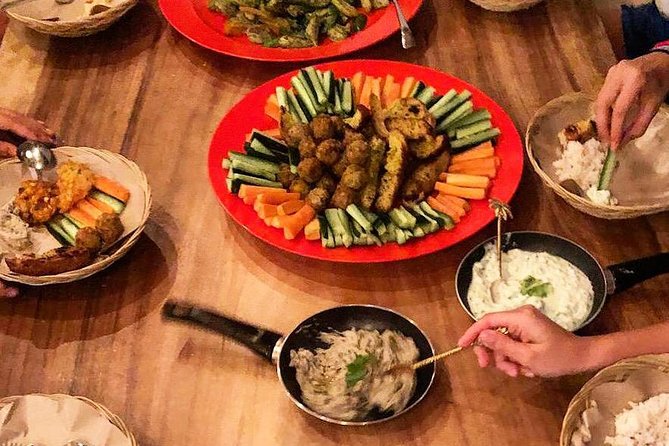
I would recommend this class most strongly to:
- Couples who want a private meal and a shared activity
- Families who prefer to stay at their villa
- Friends who enjoy cooking and eating together
- Groups with vegetarian, vegan, or gluten-free requirements
- Visitors who want direct contact with an Indonesian cook
- Anyone who values convenience and does not want to handle cleanup
It is less suited to you if you want a formal culinary school with printed recipes, precise culinary theory, or a fixed professional schedule. It may also disappoint if you only want a quick meal, since the value comes from the preparation.
Large groups should plan carefully. The private format can handle groups of seven, but a varied menu and many dietary preferences require more coordination. Ask for a three-dish plan if you want time to practice and ask questions.
Practical Details Before You Book
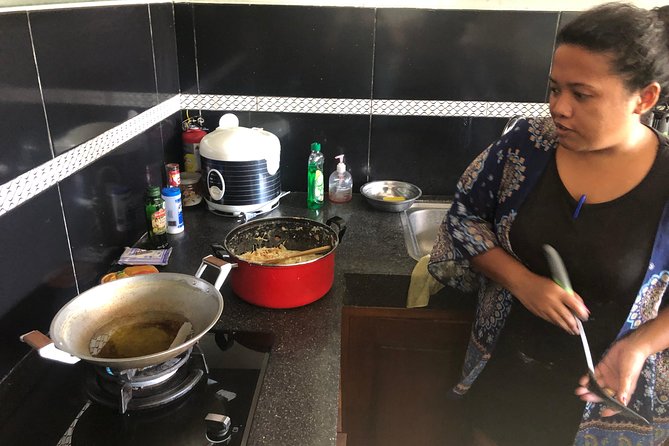
The experience operates Monday through Sunday, from 9:00 a.m. to 9:30 p.m., for the stated operating period through December 6, 2026. The broad hours allow for lunch or dinner, though you should confirm the desired start time when booking.
The activity is private, so only your group participates. Service animals are allowed, and the location is near public transportation, although the chef comes to your kitchen rather than taking you to a separate venue.
The listed location information refers to Canggu, while the headline location also mentions Seminyak. Confirm that your villa address is within the service area before paying, especially if your accommodation sits outside Canggu.
You can cancel free of charge up to 24 hours before the start time for a full refund. Changes or cancellations made inside that 24-hour period are not accepted for a refund, and the cut-off follows local time.
The experience has a 4.9 rating from 80 reviews, with 98 percent recommending it. Those figures point to a strong record, but the one-star and three-star experiences offer useful warnings: clarify the menu, confirm the number of dishes, and ask about take-home recipes if that matters to you.
Should You Book Yohana’s Villa Cooking Class?
Book it if you want an intimate Indonesian meal that comes with instruction, conversation, and no cleanup. Yohana’s personal style, flexible menu, and ability to work with different diets make this a good choice for couples, families, and private groups staying in Canggu.
Before booking, confirm the villa location, the exact menu, the number of dishes, and any dietary needs. Keep the plan to three dishes if you care more about learning than quantity. At $50 per person, this is a fair buy for a hands-on evening in your own space, but it is not the right choice if you only want the cheapest way to eat dinner.
FAQ
Where does the cooking class take place?
The class takes place in your own villa in the Canggu area. The listed starting point is Canggu, Kuta Utara, Badung Regency, Bali, Indonesia, and the activity ends back at the meeting point.
How long does the class last?
The activity lasts about three hours.
What food is included?
Lunch or dinner is included, along with the ingredients and cleaning. Possible dishes include gado-gado salad, corn fritters, chicken in sweet soy sauce, and klepon. The exact menu can be adjusted.
Can vegetarians and vegans take part?
Yes. The class is described as suitable for vegetarians and vegans, and dietary requests can be discussed when arranging the menu.
Do I need to buy ingredients or clean the kitchen?
No. Yohana brings the supplies and cleans up after the cooking session. You may buy drinks for your group separately.
Is the class private, and can I cancel?
Only your group participates, making it a private activity. You can cancel up to 24 hours before the start time for a full refund. Cancellations or changes made less than 24 hours in advance are not accepted for a refund.
Just added around Bali
- Bali Parasailing Adventure, Jet Ski, Banana Boat , Donat Boat, with Transport★ 5.0 · 11 reviews
- 1.5 Hours Bali ATV Quad Tour★ 5.0 · 8 reviews
- ATV Quad Bike Through Tunnel and Waterfall★ 5.0 · 3 reviews
- Bali Driver Recommendation★ 5.0 · 7 reviews
- Bali Private Custom Tour★ 5.0 · 12 reviews
- Bali Cooking Class Experience with All Inclusive★ 5.0 · 12 reviews
- Penglipuran Village Waterfall Swing Private Guided Tour★ 5.0 · 13 reviews
- Bali Sightseeing Car Hire with English-speaking Guide and Driver★ 5.0 · 24 reviews
Cooking Classes, compared.
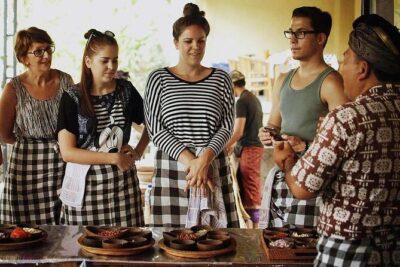
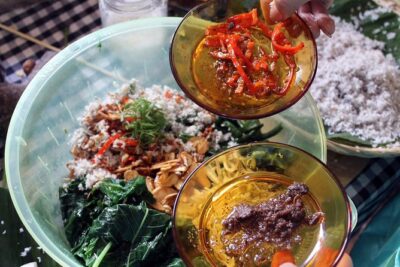
Private Authentic Balinese Cooking Class in Ubud at Putu’s Home
Read our review →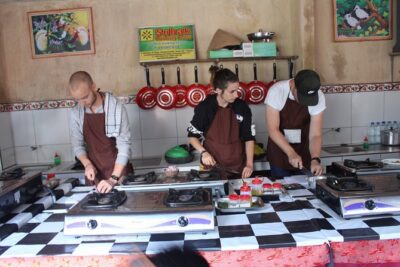
Balinese Ubud cooking school (9 Dish Cooking and Market Tour)
Read our review →
Learn to cook Indonesian food at Gili Cooking Classes Trawangan
Read our review →
Browse the lists this tour appears in