
Reviewed · COOKING CLASSES
Balinese Authentic Cooking Class in Ubud
The best part of this Ubud cooking class is that you do not go straight from hotel to kitchen. You begin with Balinese daily life, visiting a traditional home and, in the morning, a local market, before harvesting spices at the cooking garden. I like the old-style work with a lesung, the large mortar and pestle, and I like that you eat the meal you helped prepare.
The class is priced at $39.71 and includes Ubud pickup, drinks, snacks, ingredients, and the meal, which makes it a useful value for a half-day outing. My one caution is that pickup outside Ubud costs extra, and the market visit is available only in the morning.
Key points to know
- Morning classes include the market: See local produce, spices, and fruit, with a chance to buy ingredients and sample some foods.
- The cultural visit matters: You visit a Balinese family compound and learn how the buildings are arranged and used.
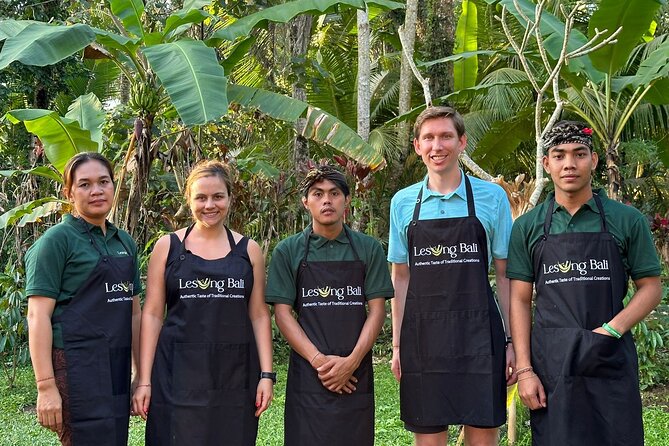
- Cooking is hands-on: Chop, pound spices, and prepare dishes with help from chefs such as Ron, Putri, Don, Gustie, and Begul.
- Menus suit different diets: Choose regular, vegetarian, or vegan cooking options.
- A lush garden setting: The class takes place in west Ubud, surrounded by greenery and a countryside feel.
- Pickup is limited to Ubud: Transport from Nusa Dua, Jimbaran, Uluwatu, Kuta, Seminyak, Sanur, and Canggu costs extra.
A Half-Day That Starts Beyond the Kitchen
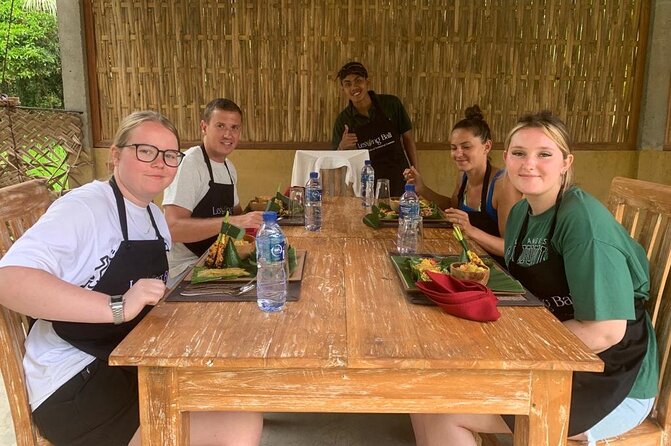
This is not simply a lesson in following recipes. The five-hour outing connects food with the place it comes from. You see ingredients at a market, learn about the Balinese family compound, pick spices from a farm, then turn them into lunch or dinner.
That order gives the class its character. By the time you begin cooking, you have already seen some of the ingredients in their everyday setting. You are not just presented with a bowl of chopped shallots or chilies. You get a sense of where the food fits into local life.
The class is based on the west side of Ubud, in a green rural setting. That means you leave the thickest part of central Ubud behind and spend time in a quieter garden environment. I would allow most of the half-day for the full outing, since the market, house, farm, cooking, and meal are all part of the plan.
The maximum group size is 15. That is not a private lesson, but it is still smaller and more personal than a large food demonstration. Several instructors are named in the feedback, including Ron, Putri, Don, Gustie, and Begul. The exact chef can depend on the date, but the teaching style is clearly meant to be friendly and practical.
More Cooking Classes in Ubud
- Ubud Cooking Class Bali with Balinese Chef
★ 5.0 · 1,609 reviews - PRIVATE Authentic Balinese Cooking Class in Ubud at Putu’s Home
★ 5.0 · 644 reviews - Balinese Ubud cooking school (9 Dish Cooking and Market Tour)
★ 5.0 · 540 reviews
The Morning Market Sets the Tone
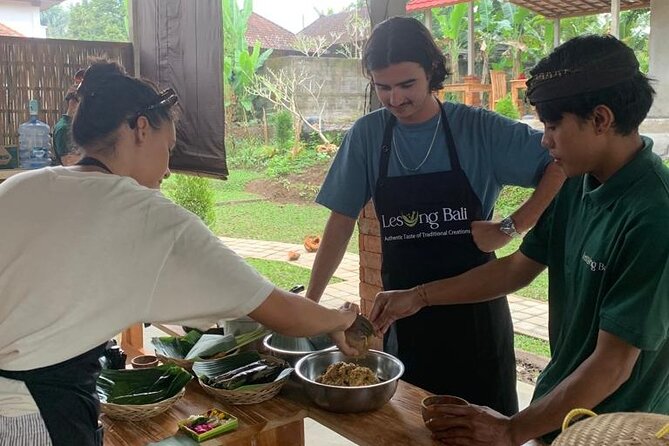
Choose a morning class if the market is important to you. This is the only session that includes the traditional market visit, where you see the produce and spices used in Balinese cooking and buy ingredients from local sellers.
The market is useful because it gives you a quick introduction to the building blocks of the cuisine. You may see local fruits, vegetables, and spices before the chef explains how they are used. Some sessions include fruit tasting, which makes the stop more than a walk past food stalls.
I like this part for another reason: it shows the difference between a cooking class based on prepared ingredients and one that begins closer to the source. You get to ask questions about unfamiliar foods before you are expected to cook with them.
The market can also be lively and less polished than a food hall. That is part of its value, but it may not suit you if you want a quiet, carefully arranged introduction. Keep in mind that afternoon and evening classes do not include this stop, so compare the class times before booking.
A Traditional Balinese Home and Family Compound
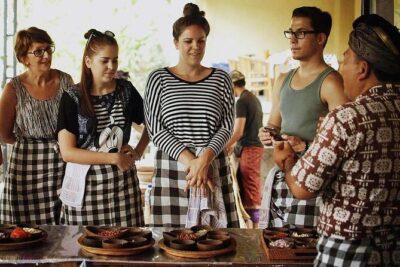
The next cultural stop is a local Balinese home. You learn about Balinese family life, the layout of the compound, and the purpose of its buildings. This gives context to the island beyond temples and hotels.
The visit is often paired with coffee, tea, a Balinese cake, or another local snack. It is a good pause before the cooking begins, and it gives you time to ask about daily routines and family traditions. Some sessions include a look around the grounds and garden rather than a full interior visit, so do not assume you will tour every room of a private house.
That distinction matters. The point is not a staged museum display. It is a glimpse of how a local home is arranged and how family space works. The experience is likely to feel more personal than a standard sightseeing stop, but the amount of access may vary with the household and the day.
I would treat this part as a cultural introduction, not a formal architecture tour. You get the most from it by listening to the guide explain the compound and asking respectful questions.
Picking Spices at the Farm
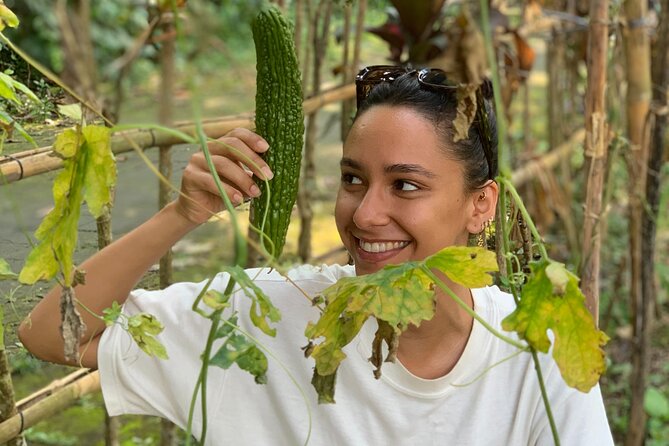
After the market and home visit, you go to the farm and help gather spices for the meal. The garden setting is one of the class’s strongest features. You see the ingredients growing around you, then use some of them at the cooking station.
This is where the class becomes more than a recipe lesson. Fresh herbs and spices are central to Balinese cooking, and harvesting them helps explain why the food has such a strong aroma. You may pick what the chef needs for the selected menu, then return to the cooking area to prepare it.
The facilities are described as clean and pleasant, with a separate cooking space set in the garden. You get the countryside atmosphere without giving up basic comfort. An air-conditioned vehicle is included for the transfers, along with bottled water.
Do not expect a full agricultural tour. The farm visit is tied to the menu and the ingredients you will use. That focus keeps the class moving, but it also means the amount of time spent exploring the garden may be fairly short.
A completely different kind of day out in Ubud:
- All-Inclusive Ubud Private Tour
★ 5.0 · 14,344 reviews - Best of Ubud Full-Day Tour with Jungle Swing
★ 5.0 · 8,571 reviews - Ubud: Monkey Forest, Jungle Swing, Rice Terrace, and Water Temple
★ 5.0 · 7,160 reviews - Best of Ubud 1-Day Private Tour
★ 5.0 · 4,451 reviews
Learning the Balinese Way With a Lesung
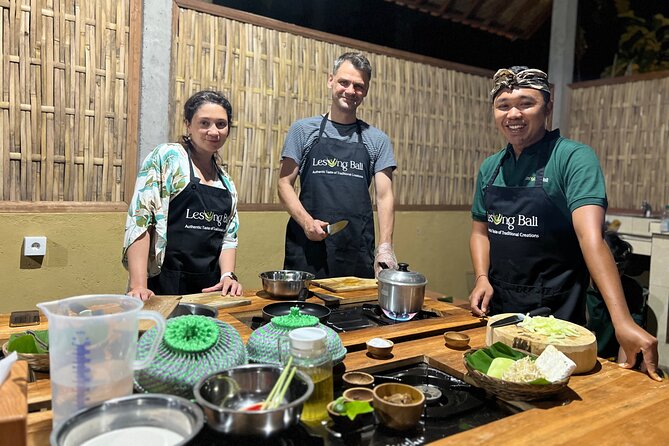
The hands-on cooking begins with preparation. You chop ingredients, measure spices, and pound aromatics in a lesung, a traditional mortar and pestle. This old method takes more effort than using a blender, but it gives you a direct feel for the base of the cuisine.
The chef explains how much of each ingredient to use, how the spice mixture should look, and how the cooking method changes from dish to dish. You can ask questions as you work, and help is offered when a technique is unfamiliar.
That support makes the class suitable for beginners. Several people with little or no cooking experience have been able to follow along and produce a good meal. At the same time, you will still learn useful methods if you already cook at home.
One practical point: instructors may add small amounts of spices or seasoning as they guide you. If you want to reproduce a dish later, ask what is being added and why. The cooking is hands-on, but not every small adjustment may be explained before it happens.
What You May Cook and Eat
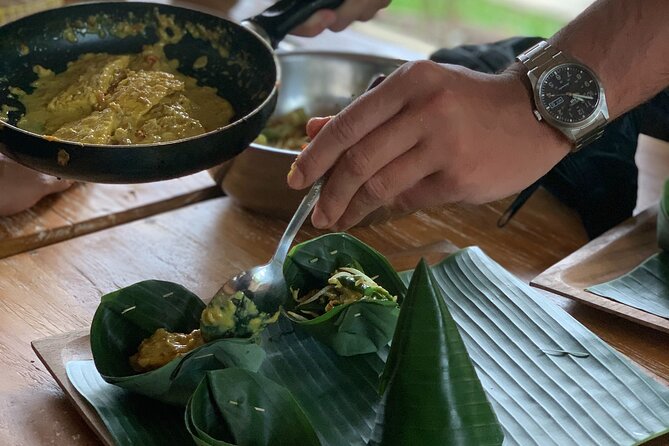
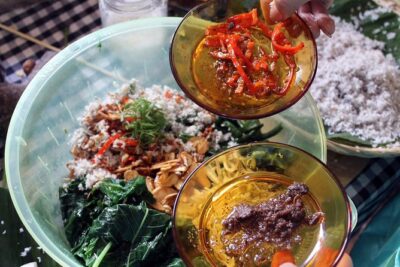
You choose among regular, vegetarian, and vegan menus. The exact dishes depend on the option selected, but many sessions prepare several courses, often six dishes and a dessert. The meal can be generous, so arrive hungry.
The regular menu gives you the broadest taste of Balinese cooking, while the vegetarian and vegan choices make the class workable for different diets. Tell the provider your preference when booking or at the start of the class so the menu can be organized properly.
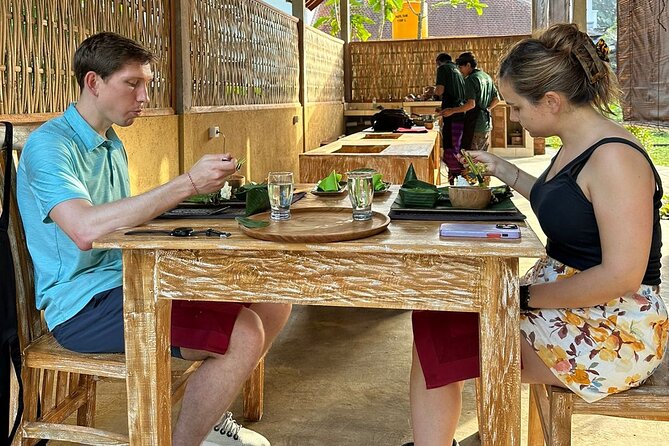
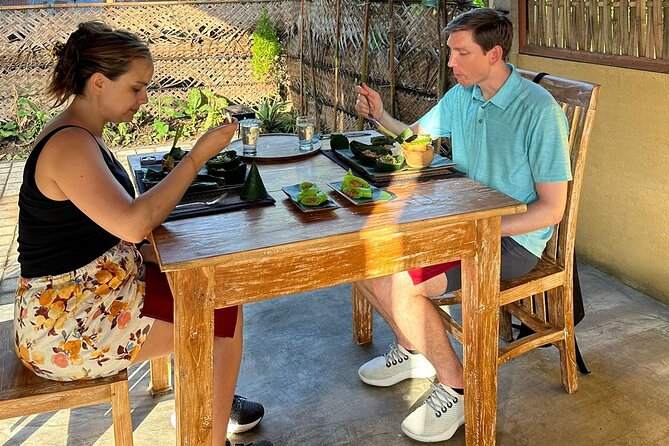
The meal is the payoff, but it is also part of the lesson. You taste the difference between fresh ingredients, pounded spices, and the cooking methods you have just practiced. The recipes are intended to be traditional, not simplified Western versions.
You also receive coffee or tea, mineral water, and a Balinese cake. Those small inclusions matter because the outing is long enough for refreshments to be welcome. You should not need to budget separately for the ingredients, cooking, or food you eat during the class.
The Guides Make a Real Difference
The named instructors bring different personalities to the experience. Ron is described as funny and engaging, and he has led both morning market visits and evening cooking sessions. Putri is praised for patient, detailed instruction and for making beginners feel comfortable.
Don has guided the cultural side of the visit, with particular attention to Balinese houses and traditions. Gustie has combined the cooking class with stories about ceremonies, family life, and local customs. Begul is described as humorous and energetic, though one session felt a little rushed and included some seasoning additions that were not fully explained.
That last point is worth keeping in mind. A cooking class depends partly on the individual instructor and the pace of the group. Most of the available feedback is strongly positive, but you may need to speak up if you want to repeat every measurement or technique at home.
Solo visitors can fit into the small-group format, and couples or families should find enough personal help to take part. The maximum of 15 keeps the activity manageable, though a smaller group will naturally feel more personal.
Is $39.71 Good Value?
At $39.71 per person, the price covers much more than a cooking lesson. You get the farm, the cultural visit, ingredients, drinks, a snack, the prepared meal, taxes, and free shuttle service within Ubud.
I see this as good value if you want one activity that combines food and culture. A shorter class focused only on recipes may cost less, but it would not include the market, family compound, farm visit, and transport. The value is strongest for people who would otherwise pay separately for several small cultural experiences.
Pickup is free only in the Ubud area. Extra car charges apply from other parts of Bali:
- Nusa Dua and Jimbaran: IDR 500,000 per car
- Uluwatu: IDR 550,000 per car
- Kuta, Seminyak, Sanur, and Canggu: IDR 450,000 per car
Those added transport costs can change the calculation, especially for a solo visitor staying far from Ubud. If you are based in Ubud, the included shuttle makes the price easier to justify.
Choosing the Right Session
The morning class is the best pick if you want the fullest program. It adds the market visit and gives you the clearest connection between local shopping, farm ingredients, and the final meal.
The afternoon option may suit you if you prefer a slower start or do not care about the market. You still get the house, farm, cooking, and meal. The evening class works well for people who want to cook dinner, and it can include the same hands-on preparation and food.
The class lasts about five hours, so avoid placing a tight appointment immediately afterward. The cooking itself may take around two hours in some sessions, with the rest of the time used for transport, cultural visits, preparation, and eating.
Wear something comfortable and expect to work with food, spices, and garden ingredients. The provided information does not specify a dress code or special equipment, but the class supplies the cooking tools and ingredients.
Cancellation and Weather Details
You can cancel for a full refund up to 24 hours before the local start time. Changes or cancellations made within 24 hours are not refunded.
The class requires good weather and a minimum number of participants. If poor weather or low enrollment causes a cancellation, you are offered another date, another experience, or a full refund.
Who Should Book This Class?
I would choose this for you if food is only part of what you want from a cooking class. The visit to a Balinese home, the garden work, and the market make it a better fit for someone curious about local routines and family life.
It is also a strong choice for beginners. You do not need advanced kitchen skills, and the chefs provide help as you work. Couples, solo visitors, families, and small groups can all take part, with regular, vegetarian, and vegan menus available.
I would think twice if you want a precise chef-training session with exact weights and a printed technical lesson. The atmosphere is relaxed and personal, and some instruction may be adjusted to the group. If you are staying outside Ubud, add the transport fee before deciding.
Should You Book the Balinese Authentic Cooking Class?
Yes, if you want a hands-on half-day that links Balinese food with the people, homes, gardens, and markets behind it. The market is the strongest reason to choose the morning session, while the farm and lesung work give every class a clear sense of place.
Book it for the cultural setting as much as for the meal. You should expect good food, plenty of help, and a full stomach, but also a relaxed outing where the guide may spend time talking about family life and local customs. At $39.71 with Ubud pickup and food included, it is a sensible choice for a first taste of Balinese cooking.
FAQ
How long does the Balinese cooking class last?
The class lasts approximately five hours, including the cultural visits, farm stop, cooking lesson, meal, and transfers.
Is hotel pickup included?
Free shuttle service is included within the Ubud area. Pickup outside Ubud costs extra, with listed rates for several areas in southern Bali.
Does every class visit a traditional market?
No. The market visit is included with the morning class only. Afternoon and evening classes do not include that stop.
Can I choose a vegetarian or vegan menu?
Yes. You can choose a regular, vegetarian, or vegan menu for the cooking class.
How many people can join the activity?
The maximum group size is 15 participants.
What happens if the weather cancels the class?
If poor weather causes cancellation, you are offered a different date or a full refund. The same applies if the minimum number of participants is not reached.
Just added around Ubud
- Ubud private tours★ 5.0 · 4 reviews
- Ubud Village, Tegalalang Rice Terrace Swing, Tirta Empul Temple and Waterfafall★ 5.0 · 7 reviews
- Ubud Instagram: Waterfall Tours★ 5.0 · 57 reviews
- Ubud Waterfalls and Rice Terraces Private Day Tour★ 5.0 · 12 reviews
- Bali Half Day-Tour: Ubud Night Trip Packages★ 5.0 · 5 reviews
- Ubud VW Safari Bali Tour – Volkswagen Classic Car Trip★ 5.0 · 21 reviews
- Hidden Ubud: Waterfalls & Sacred Temples★ 5.0 · 6 reviews
- Ubud Full Day Tour Waterfall Monkey Forest Rice Terrace★ 5.0 · 4 reviews
Cooking Classes, compared.
Private Authentic Balinese Cooking Class in Ubud at Putu’s Home
Read our review →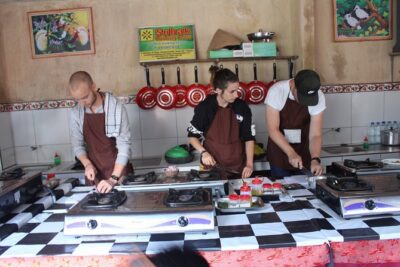
Balinese Ubud cooking school (9 Dish Cooking and Market Tour)
Read our review →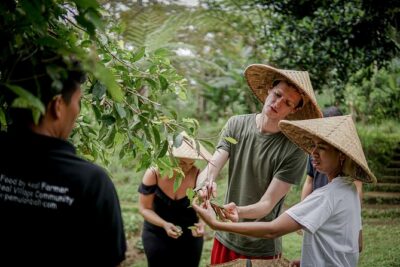
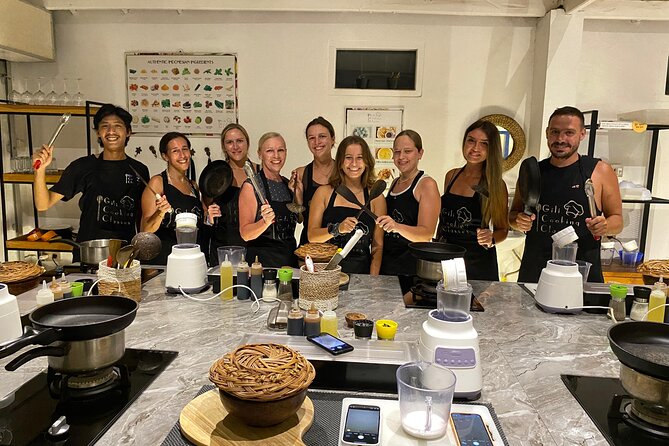
Learn to cook Indonesian food at Gili Cooking Classes Trawangan
Read our review →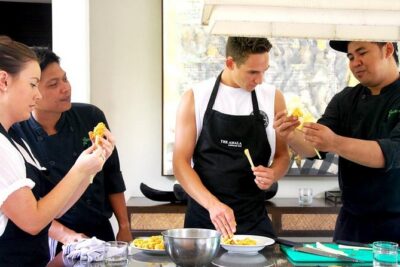
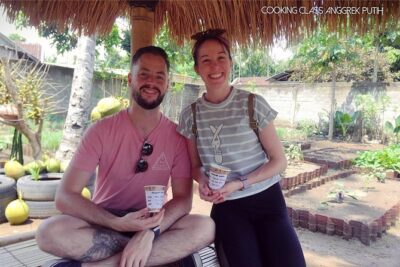
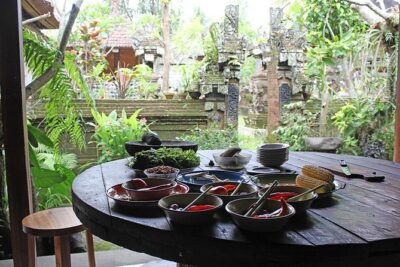
Private Balinese Cooking Class in Ubud with Dewa with Transfers
Read our review →Browse the lists this tour appears in