
Reviewed · COOKING CLASSES
Yogyakarta Cooking Class and Market Tour
The heart of this Yogyakarta experience is its move from market stall to family kitchen. You choose vegetables, herbs, meat, and spices in a traditional market, then carry those ingredients to a village home and turn them into a full Javanese meal. I like that the food has cultural meaning, especially tumpeng yellow rice, and I like the personal touch of cooking and eating in a local home. The hibiscus tea or wedang uwuh is a pleasant finish.
The main thing to consider is the teaching style. Sessions with chefs such as Desy and Arma have been praised for clear guidance and stories about Java, but one participant felt there was not enough explanation or room to improvise. If you want a formal culinary school, this may feel relaxed and home-based. If you want a warm introduction to everyday Javanese food, that is part of its appeal.
Key points at a glance
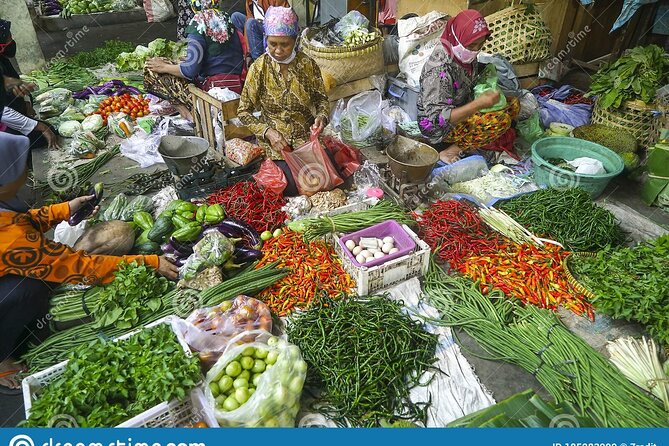
- Shop for ingredients in a traditional Yogyakarta market: Choose fresh produce, spices, meat, and herbs with your guide before cooking.
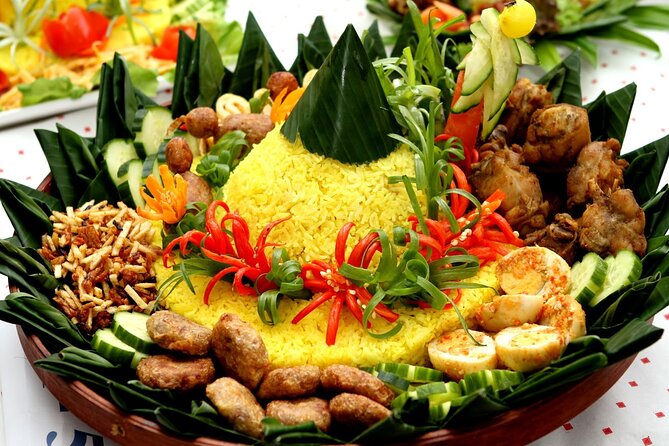
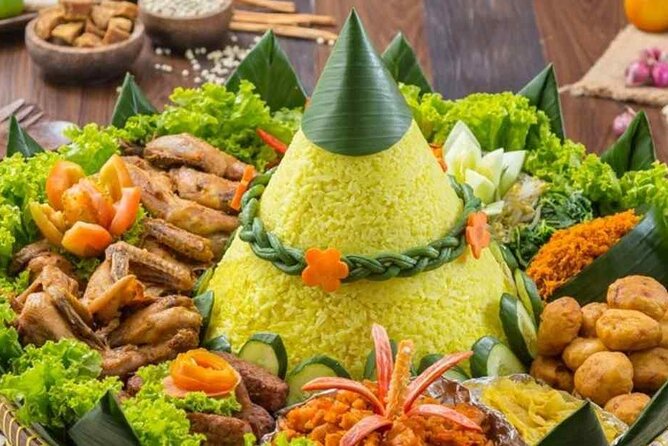
- Learn the story behind tumpeng rice: The yellow rice was once prepared as an offering to the gods during ceremonies.
- Cook six dishes in a village setting: Prepare one starter, four main courses, and one traditional dessert.
- Meet a local family and eat together: The class takes place in a home in or near Bantul, about 20 minutes from central Yogyakarta according to the experience details.
- Enjoy door-to-door transport: Hotel pickup and return in Yogyakarta are included.
- Expect a small-group format: The maximum group size is 15, while some sessions have been private for just one couple or family.
From Yogyakarta hotel to Bantul village kitchen
This is not a class where you simply arrive at a polished cooking studio and follow a recipe. The experience begins with pickup at your Yogyakarta hotel, followed by a visit to a traditional fresh-food market. That first stop gives the cooking a useful sense of place. Instead of seeing Indonesian spices listed on a recipe card, you can handle and select them before they reach the kitchen.
You will look over vegetables, herbs, meat, and spices on display, with the English-speaking chef helping you decide what is needed. This is a modest but valuable part of the day. Indonesian cooking often depends on combinations of aromatics and spices, and the market makes those ingredients less mysterious.
The route then continues toward a rice plantation. Rice is the staple crop at the center of Indonesian meals, so this stop adds context to the food you are about to prepare. You can see where rice begins, learn something about how it is cultivated and prepared, and take in the rural views around Yogyakarta.
The final setting is the traditional village of Bantul. The class takes place in a local home, and that makes the meal feel more personal than a standard restaurant lesson. You may cook in a comfortable family kitchen, share stories, and eat at the same place where the food was prepared.
The advertised duration is about three hours, with a morning or afternoon option. Since the experience includes hotel transfers, a market visit, a rice plantation, and a village cooking session, allow some flexibility around the stated length. The supplied details do not give exact pickup times or travel times for every stop.
More Cooking Classes in Yogyakarta:
- Ubud Cooking Class Bali with Balinese Chef
★ 5.0 · 1,609 reviews - PRIVATE Authentic Balinese Cooking Class in Ubud at Putu’s Home
★ 5.0 · 644 reviews - Balinese Ubud cooking school (9 Dish Cooking and Market Tour)
★ 5.0 · 540 reviews
The market is the real introduction to Indonesian food
I like the market portion because it gives you a practical reason to look closely. You are not just passing through to take photographs. You are selecting ingredients that will soon be chopped, ground, seasoned, and served at your table.
A guide can explain the role of local herbs and spices as you shop. That matters in Java, where a dish may depend less on one fiery ingredient than on the balance of several flavors. The market also lets you see a slice of ordinary Yogyakarta life before the more structured cooking begins.
Do not expect a long market lecture or a guided food history course. The exact level of explanation can vary with the chef and the group. One participant found the class too lightly explained, so it is worth asking questions if you want more detail about an ingredient or technique.
Bring a curious appetite rather than a strict shopping list. The attraction is seeing what is available and understanding how the ingredients fit into a Javanese meal. If you have allergies, dietary restrictions, or foods you avoid, tell the provider before the market visit so the cooking plan can be discussed.
Rice fields and the meaning of yellow tumpeng
The rice plantation stop may be brief, but it gives the meal a wider frame. Rice is not just another side dish in Java. It is a daily staple, and its cultivation is closely tied to rural life and food traditions.
The class includes tumpeng yellow rice, a dish with ceremonial roots. Yellow rice was prepared as an offering to the gods long ago, and its cone-like presentation is associated with important occasions. Preparing it gives you more than another recipe to copy. It shows how food can carry religious and social meaning.
The available information does not promise a full farming demonstration, so keep your expectations sensible. You will learn about cultivation and preparation and enjoy the rural surroundings, but this is not a specialist agricultural tour. Its value comes from connecting the fields to the plate.
For me, that connection is one of the strongest reasons to choose this class over a restaurant meal. You see a crop, shop for ingredients, prepare food, and eat the result in one connected outing.
Cooking six Javanese dishes with Desy or Arma
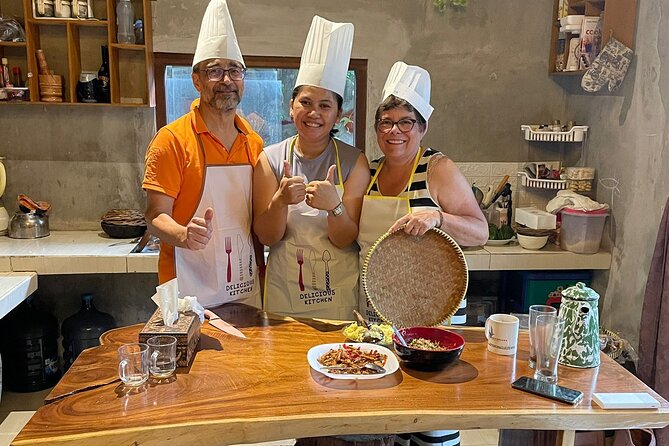
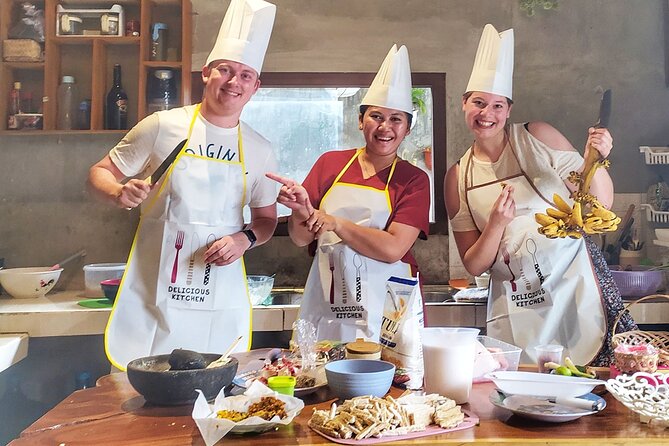
The main class is built around a substantial meal: one starter, four main courses, and one authentic dessert. That is a lot of food for a three-hour experience, so the pace may be active. You will receive a recipe booklet or handbook, and the ingredients are included.
The chef provides guidance and assistance as you prepare the dishes. Desy, also written as Desi in one account, has been praised for patient instruction and strong cooking skills. Arma has also led sessions, adding stories about Yogyakarta and Indonesian history while cooking.
The teaching style appears friendly and practical rather than formal. You should expect to take part in the preparation, not simply watch a demonstration. At the same time, the amount of hands-on freedom may depend on the chef and the size of the group. A private class can offer more room for questions and personal attention, while a group of up to 15 may feel more organized and less flexible.
If you want to learn specific knife skills, spice-grinding methods, or substitutions for cooking at home, ask directly during the session. The recipe is included, but the details of the lesson are not fixed in the information provided. The best way to get more from it is to stay involved and ask why each ingredient is used.
The class suits beginners particularly well. The chefs provide assistance, and the menu gives you a broad look at Javanese cooking instead of focusing on one dish. Experienced cooks can still enjoy it, but you may want to make your needs clear if you hope to experiment or adapt recipes.
More Shopping Tours in Yogyakarta:
- Active Volcano, Rice Field, Hot Spring, Fruit market, Tea Plantation with Lunch
★ 5.0 · 513 reviews - Balinese Cooking class with traditional morning market visit
★ 5.0 · 161 reviews - PRIVATE Ubud Market Tour & Balinese Cooking Class with Putu
★ 5.0 · 125 reviews - Ubud Cooking Class with Optional Market Visit Pickup Included
★ 5.0 · 70 reviews
A local home changes the tone of the meal

The home setting is a major part of the experience. Several accounts describe being welcomed by a family, cooking together, and eating in a relaxed village environment. One family was praised for offering tea and a comfortable place to rest when a participant felt unwell. That kind of care is difficult to build into a standard group class.
Some sessions take place around 20 minutes from central Yogyakarta, in a village setting. The surrounding area may include animals near the home and rural views. These details are not guaranteed as a formal part of every booking, but they help explain why the class feels more like a visit than a lesson in a commercial kitchen.
The home setting also brings a few practical limits. You may have less counter space, less control over the pace, and fewer opportunities to choose every method yourself. One person found the explanations too limited and felt the host did not leave enough room for creativity. That criticism is worth taking seriously if independent cooking is your main goal.
For people who value conversation and hospitality, the setting is likely to be a plus. You are not only learning a menu. You are sharing a meal with the people who helped prepare it.
Lunch, tea, and a generous amount of food
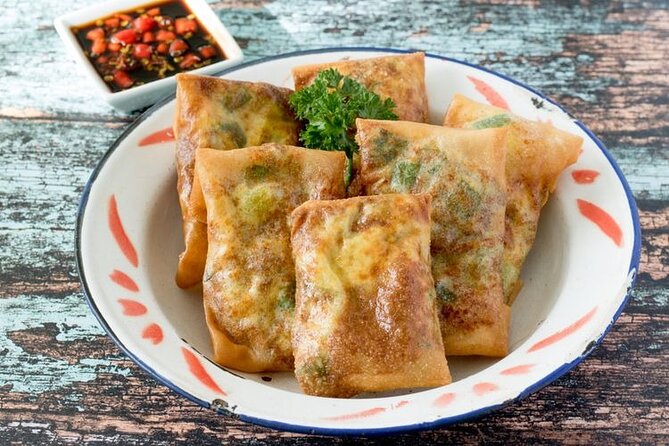
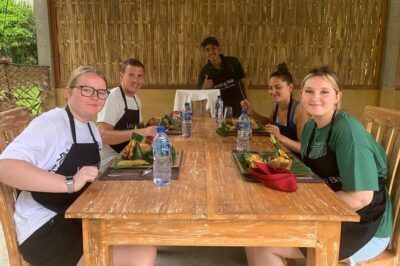
After cooking, you sit down to eat the dishes you have made. The meal includes your starter, four main courses, and dessert, so arrive hungry. The food is the clearest reward for the work, and the experience gives you the chance to taste how the separate ingredients come together.
The drink options include homemade hibiscus tea and traditional wedang uwuh, described as an eucalyptus drink. These provide a local touch beyond the food itself. Fresh coconut has also been offered during at least one family-hosted visit, although it is not listed as a guaranteed inclusion.
The meal is included in the $35 price, as are the ingredients, recipe, market tour, English-speaking teacher, and hotel transportation in Yogyakarta. That makes the cost fair for someone who would otherwise pay separately for a market visit, a cooking class, and a substantial lunch.
The value is less compelling if you only want to eat. A restaurant will be simpler and may offer a wider menu. Here, you are paying for transport, instruction, cultural context, preparation, and the time spent in a local home.
How the group size affects your day
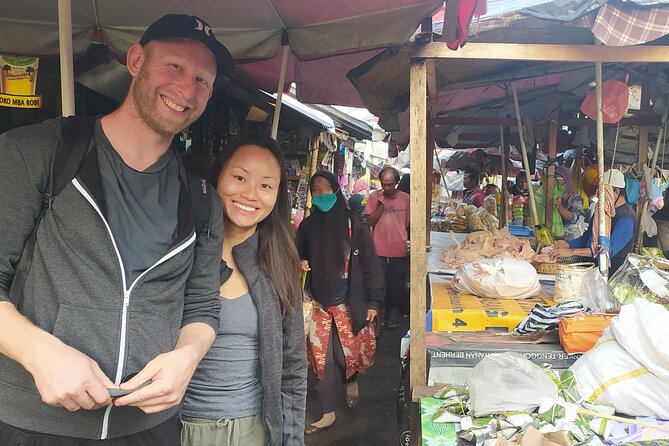
The maximum group size is 15 people. That is not a tiny class, but it is still manageable if the chef organizes the work well. In a full group, expect shared preparation areas and less individual attention than in a private session.
The experience can also be private or nearly private. One couple had the class to themselves, and they found that the privacy added greatly to the visit. Families may appreciate this arrangement, especially when children want to help or when the group has different food preferences.
Pickup is offered from hotels in Yogyakarta, and return transport is included. This simplifies the day and removes the need to find a village home independently. The exact pickup time and meeting arrangements should be confirmed after booking.
The experience is suitable for most people, according to the supplied participation information. There is no detailed accessibility description, so contact the provider if you need specific assistance with transport, walking, kitchen access, or seating.
Who will get the most from this cooking class
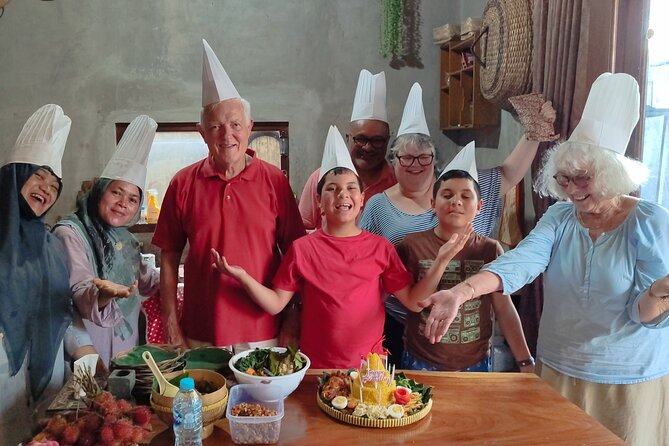
I would choose this experience if you want to connect food with ordinary life in Yogyakarta. It is a good fit for couples, families, solo visitors, and anyone who prefers a personal home setting to a large commercial kitchen.
You will get the most from it if you enjoy:
- Learning through shopping and preparation, not just watching
- Eating a full meal after working on it
- Asking questions about Indonesian ingredients and traditions
- Meeting a local family in a village setting
- Trying dishes with cultural meaning, including yellow tumpeng rice
I would be more cautious if you want a tightly timed professional lesson, advanced culinary instruction, or complete freedom to redesign every dish. The class is designed around guidance from the host, and the teaching can vary between sessions.
The experience also suits people who want a gentle introduction to Indonesian food. You do not need to know the names of the spices or have prior cooking experience. The chef supplies the ingredients and recipe, then helps you through the process.
Booking, cancellation, and practical value
The price is $35 per person, and the experience is often reserved about 24 days ahead. That advance booking pattern suggests you should not leave it until the last morning of your Yogyakarta stay, especially if you want a private or smaller session.
Confirmation is provided at booking. Group discounts are available, and the ticket is mobile, which keeps the practical side simple. WhatsApp is worth having ready because it has been useful for communication with the hosts.
Free cancellation is available up to 24 hours before the local start time for a full refund. Cancellations or changes made less than 24 hours before the start time are not refundable or accepted.
Should you book the Yogyakarta cooking class?
Book it if you want a food-focused cultural visit with market shopping, a rice-growing stop, village hospitality, and a large meal at the end. The strongest features are the local home setting, the chance to select ingredients yourself, and the cultural meaning behind tumpeng rice.
Think twice if you need a polished cooking school with a fixed curriculum and advanced instruction. The class is personal and relaxed, but that also means the amount of explanation and creative freedom may differ by chef and group size.
At $35, the package offers good value for a half-day style outing, especially with pickup, all ingredients, a recipe, and lunch or dinner included. I would book it for the chance to cook with hosts such as Desy or Arma, then eat the meal in the same village home where it was prepared.
FAQ
How long is the Yogyakarta cooking class?
The experience lasts approximately three hours. It includes hotel pickup, a traditional market visit, a rice plantation stop, the cooking class, and lunch or dinner.
What is included in the price?
The price includes an English-speaking teacher or chef, all ingredients, a recipe, the market tour, lunch, and pickup and drop-off at hotels in Yogyakarta.
How much does the experience cost?
The listed price is $35 per person. Group discounts are available.
Where does the cooking class take place?
The cooking takes place in a traditional village setting in Bantul, often in a local home. One description places the village about 20 minutes from central Yogyakarta.
Does the tour include a market visit?
Yes. You visit a traditional fresh-food market and select vegetables, herbs, meat, and spices for the class.
Will I visit a rice plantation?
Yes. The itinerary includes a visit to a rice plantation, where you learn about the cultivation and preparation of the staple crop.
How many dishes will I prepare?
You will prepare one starter, four main courses, and one authentic dessert. Tumpeng yellow rice is also part of the cooking experience.
Is lunch or dinner included?
Yes. You eat the food you prepare at the end of the class. The experience includes lunch or dinner depending on the session.
What drinks are offered?
The experience includes homemade hibiscus tea or traditional wedang uwuh, described as an eucalyptus drink.
What is the cancellation policy?
You can cancel up to 24 hours before the experience start time for a full refund. Cancellations or changes made less than 24 hours before the start time are not accepted for a refund.
Just added around Yogyakarta
- Snorkeling and Island Hopping Tour in Karimunjawa (sharing tour)★ 5.0 · 3 reviews
- From Semarang Port: Borobudur Temple Private Shore Excursion★ 5.0 · 11 reviews
- Semarang Private City Tour★ 5.0 · 17 reviews
- Semarang Tour For Cruise Passengers★ 4.5 · 33 reviews
- From Semarang port: Borobudur Temple excursion – Cruise Ship Traveler★ 5.0 · 36 reviews
- Semarang Private Tour For Cruise Passengers★ 4.5 · 11 reviews
- Prambanan Private Tour From Semarang Cruise Port★ 5.0 · 7 reviews
- Borobudur Private Excursion From Semarang (Upper level access)★ 5.0 · 35 reviews
Cooking Classes, compared.
Private Authentic Balinese Cooking Class in Ubud at Putu’s Home
Read our review →
Balinese Ubud cooking school (9 Dish Cooking and Market Tour)
Read our review →
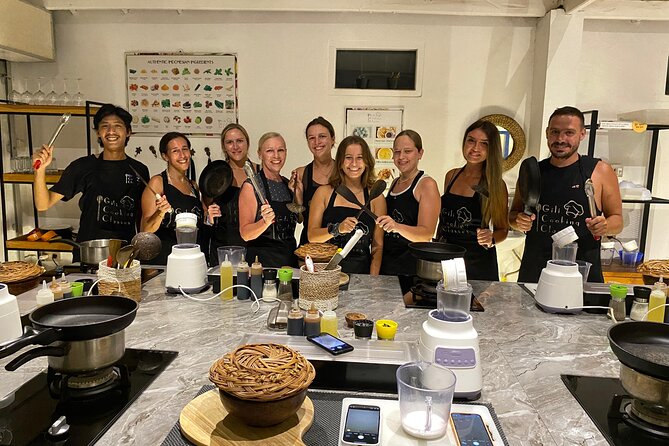
Learn to cook Indonesian food at Gili Cooking Classes Trawangan
Read our review →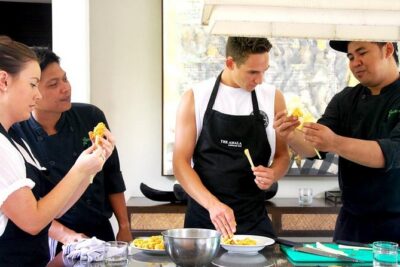
Browse the lists this tour appears in