
Reviewed · WALKING TOURS
Panorama Walking Tour and Culture, West Lombok
The best part of this West Lombok day is the change of pace. You leave the busy roads behind and walk through rice terraces, rivers, and tropical forest, with Murpeji Village providing the human story. Farmers, beekeepers, and palm-sugar makers are not background scenery here. They are part of the visit.
I like the private format, since your group can move at its own pace, and I like the mix of gentle walking with real village activities. The main caution is physical: nine hours is a long day, and even soft trekking can mean uneven paths, wet ground, and warm weather.
Key points at a glance
- Murpeji Village gives you a close look at village life, farming, local products, and traditional activities.
- Rice terraces and river paths provide the most scenic walking of the day.
- Bee keeping and palm sugar lessons connect local food with everyday work.
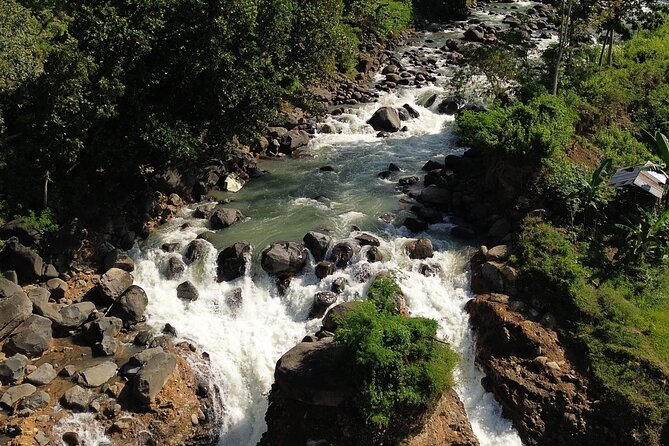
- A tropical forest waterfall offers a cool rest stop, with the chance to get into the water.
- Private transport and a local guide make the day easier to manage from pickup through drop-off.
- Lunch, snacks, water, entrance fees, and donations are included, but a $15 fuel surcharge applies per booking.
Why Murpeji makes a good change from Lombok’s beach stops
Lombok is often sold through beaches and surf, but inland West Lombok has a quieter appeal. At Murpeji, the day is built around the land people work, not simply a viewpoint or photo stop.
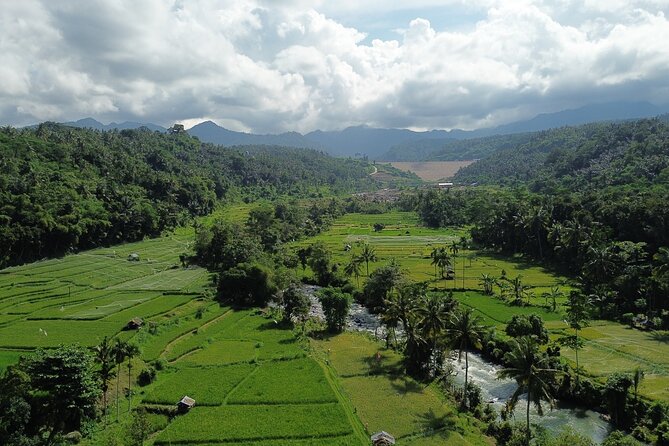
You walk through rice-growing country where the terraces follow the shape of the hills. During planting season, water can fill the stepped fields and reflect the sky. The narrow paths between the paddies give you a close look at how carefully the fields are arranged.
I like this setting because it gives the scenery a purpose. You are not looking at decorative green fields planted for visitors. You are seeing working farmland, with water, soil, crops, and village life tied together.
The tour also gives you time with local people. You may meet farmers, learn how rice is cultivated, and see how village households use nearby natural resources. That makes the day more useful than a simple countryside walk.
More walking tours in Lombok:
- Best Lombok Rice Terrace Walking Tour With Waterfall & Monkey
★ 5.0 · 15 reviews - Tetebatu Walking Tour – Rice Terraces, Waterfall & Monkey Forest
★ 5.0 · 349 reviews - Small-Group Walking and Food Tour by Night in Yogyakarta
★ 5.0 · 313 reviews
The ride toward Murpeji Village
Pickup and drop-off are included, and the tour uses private transport. That matters in Lombok, where a full day of rural exploring can involve several separate roads and stops. You do not need to arrange a succession of taxis or negotiate transport between the village, forest, and waterfall.
The listed start time is 12:00 am, which is an unusual entry for a daytime walking tour. Confirm the actual pickup time with Bale Laut Lombok Tour Organizer before setting out. The supplied information describes a nine-hour experience, lunch, and a full day of village and nature activities, so checking this detail is sensible.
The ride itself is part of the introduction to the area. A guide can explain local history, culture, and facts about Lombok and Mataram on the way to the walking route. One especially useful detail from the tour experience is that the explanation begins before the walk, so you get some context rather than arriving cold at the first stop.
Since transport is private, this tour can work well for couples, families, or a small group of friends. You will not be sharing the day with unrelated participants. Even solo booking is possible, and the tour is described as operating for your group alone.
Walking through rice terraces and rivers
The soft trek is the core of the experience. Expect a rural walk through rice terraces, along river areas, and into lush tropical forest. The phrase soft trekking suggests a moderate outing rather than a technical hike, but you should still have a reasonable level of fitness.
The rice fields are the most visually striking part. The terraces rise and fall with the hills, forming long steps of cultivated ground. Water in the fields can catch the light, while the narrow paths offer changing views of the paddies and surrounding countryside.
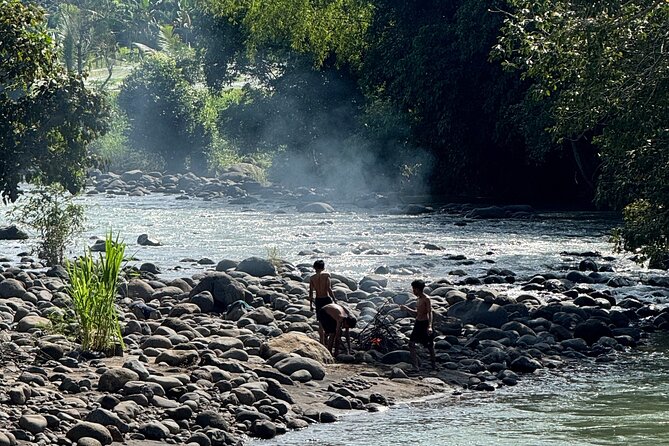
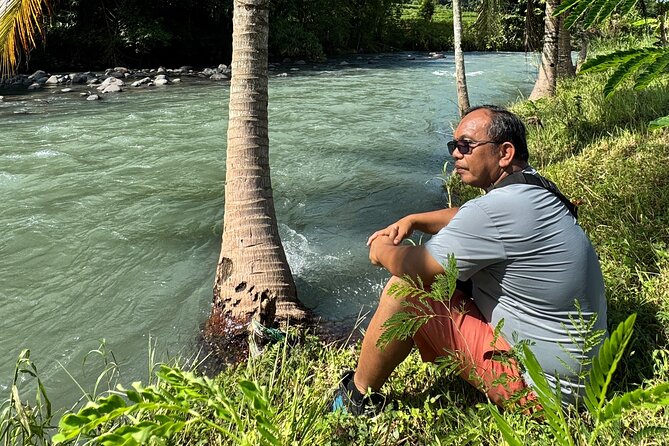
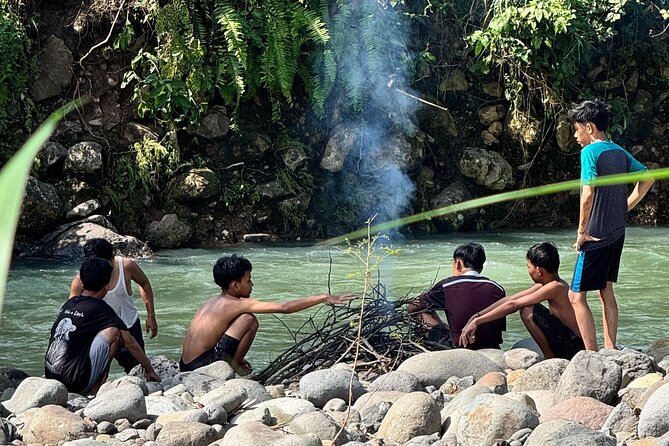
The river sections add movement and sound. You may walk near the water or through river areas, depending on conditions and the route used that day. This is one reason good weather matters. Rain can make paths slippery and change how comfortably you can reach the forest and waterfall.
Wear shoes with a secure grip. Sandals may be fine for some parts of the walk, but they are less helpful on muddy paths or uneven ground. Bring clothing that can cope with heat and possible splashes, and use the supplied mineral water steadily rather than waiting until you feel thirsty.
The walking is not just exercise. It gives you a chance to see how farming fits into village life. The fields are close to homes and community activity, so the guide can explain the connection between food production and the daily rhythm of Murpeji.
Meeting farmers and learning how rice is grown
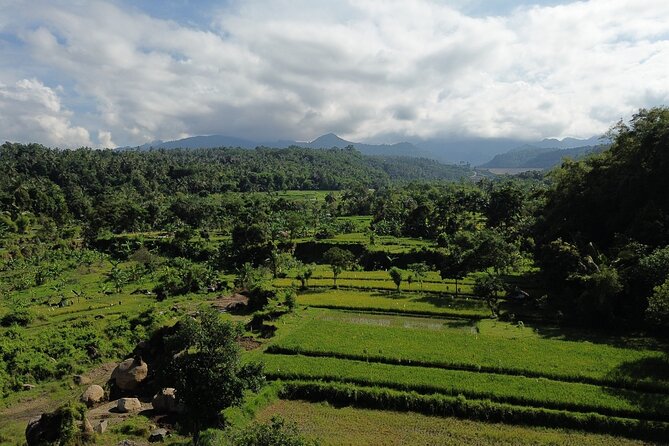
One of the stronger parts of the day is the chance to interact with local farmers. You can learn how rice cultivation works and why the terraces are built in steps.
This is useful because the farming is easy to admire without understanding. A local explanation helps you notice the water management, the narrow paths, and the work needed to keep each level productive. The visit also gives you a more respectful way to photograph the fields and people. Ask before taking close-up photos, especially when someone is working.
The experience is not designed as a formal agricultural course. You will get an introduction through conversation and observation. That keeps the activity accessible, but it also means the depth of the lesson may depend on the guide, the day’s farm work, and communication with the local community.
The English-speaking crew and local guide are included. The arrangement gives you both general guidance during the day and local insight at the village. The published ratings give the tour a full five-star score across six ratings, with repeated praise for friendly staff, helpful local people, and explanations about Lombok. Those are the qualities I would value most here: clear guidance and a respectful connection with the village.
A few more things to do around Lombok
- Anggrek Putih Lombok Cooking Class
★ 5.0 · 253 reviews - Day Trip 5 Secret Gilis : Layar, Rengit, Nanggu, Tangkong, Kedis
★ 5.0 · 192 reviews - 2D1N Senaru Crater Rim Trekking
★ 5.0 · 178 reviews - Lombok Private Customize Tour
★ 4.5 · 144 reviews
Beekeeping and village-made products
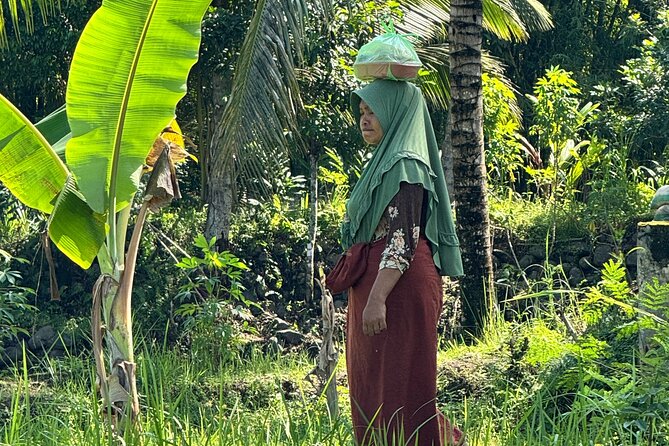
Murpeji also introduces you to local beekeeping. The village uses methods intended to let people harvest honey while keeping the bee colonies in balance with their surroundings.
You can expect an explanation of how bees are cared for and how honey is collected. This is a small but worthwhile part of the tour because it shows another way the village earns from local resources without turning the visit into a large commercial attraction.
The cultural side may also include displays of local products and traditional skills such as batik making and weaving. These activities are associated with Murpeji’s community tourism offer, but the exact demonstration can vary. Treat them as part of the village setting rather than a guaranteed hands-on workshop unless the operator confirms otherwise.
I like this section for its practical focus. You are learning about work that produces something people use, eat, or sell. It also gives you a reason to ask questions about sustainable village income and local craft traditions.
Entering Lombok’s tropical forest
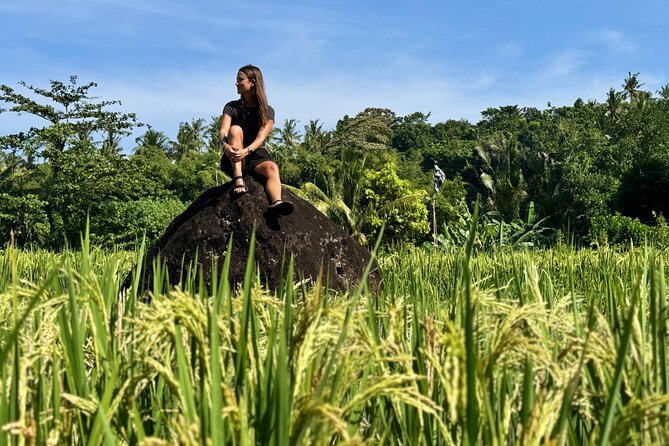
After the terraces and village activities, the route moves into tropical forest. Expect dense vegetation, humid air, and a marked change from the open rice fields.
The forest provides shade and a cooler feeling, although Lombok’s humidity can still make the walk tiring. It is a good point in the day to slow down and pay attention to plants, sounds, and the change in ground underfoot.
The information provided describes the forest as home to varied plant and animal life, but it does not promise specific wildlife sightings. Go for the setting rather than expecting a list of animals. You might see small signs of forest life, but the main reward is the walk through thick vegetation on the way to the waterfall.
This section also shows why the tour is best for people who enjoy a little dirt and uncertainty. Rural paths are not the same as paved city walkways. The route and conditions can change with weather, so a flexible attitude helps.
Resting at the hidden waterfall
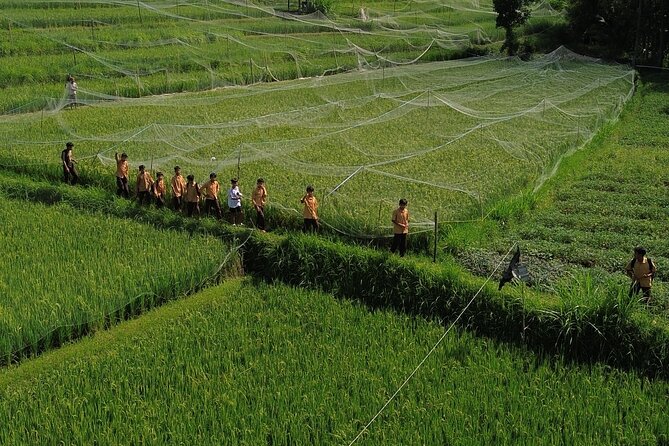
The waterfall is the natural payoff of the walking route. It offers a place to pause, cool your feet, or fully enter the water if conditions allow.
That flexibility is helpful. Some people want a swim after a hot walk, while others would rather sit beside the water, take photographs, and eat a snack. You are not required to turn the stop into a strenuous activity.
Do not assume the waterfall has changing rooms or other visitor facilities, since those details are not provided. Pack swimwear under your clothes if you hope to get wet, and carry a small dry layer. Keep your belongings secure and ask the guide about safe places to enter the water.
The waterfall is described as a less obvious forest stop rather than a large developed attraction. That means the setting may feel peaceful, but it also means you should not expect a broad deck, railings, shops, or extensive facilities. The tradeoff is a more natural stop with fewer comforts.
Learning about gula aren, or palm sugar
The food lesson continues with gula aren, a traditional palm sugar. You learn how it is produced and why it matters to local life.
Palm sugar is often used in Indonesian cooking, so this part adds useful context to flavors you may encounter elsewhere in the country. The tour also explains its mineral content, including potassium, magnesium, and iron, though you should treat that as cultural and food information rather than medical advice.
This is another place where the experience is stronger than a quick tasting. You can connect the sweetener to the trees, village labor, and local products you have already seen. If you buy anything for yourself, ask what is included in the price and how the product should be stored.
Lunch, snacks, and what the $73 price covers
At $73 per person, the tour is not a cheap short excursion. It is a private, approximately nine-hour day with transport, an English-speaking crew, a local guide, lunch, snacks, mineral water, entrance fees, and a community donation included.
That package makes the price easier to assess. You are paying for a full day of logistics and access, not only a walk. Private transport can be especially valuable if you are staying outside the immediate village area or do not want to coordinate rural transfers yourself.
A $15 fuel surcharge applies per booking and is not included in the headline price. Clarify how that charge is handled when you book. Personal expenses and crew tips are also extra.
For a solo visitor, the total cost may feel high because the private format does not spread the transport cost across a large group. For couples or a small group, the value improves, particularly if you would otherwise need to arrange a driver, meals, entrance fees, and a separate guide.
Lunch is included, but the food details are not specified. If you have allergies, dietary restrictions, or strong preferences, tell the operator before the day begins. The same advice applies to the walking pace and the waterfall stop.
Who will enjoy this West Lombok day
I would choose this tour if you want a close look at rural Lombok and prefer conversations, farming, and nature to a packed list of famous attractions.
It suits you best if you:
- Enjoy walking on uneven village and forest paths.
- Want a private tour rather than a mixed group.
- Have moderate physical fitness.
- Like learning how local food and crafts are made.
- Prefer a day that combines scenery with community contact.
- Are happy with simple rural conditions at the waterfall.
It may not suit you if you want a short, highly polished sightseeing trip with guaranteed facilities at every stop. The nine-hour duration is substantial, and weather can affect the experience. If rain causes cancellation, you can choose another date or receive a full refund, provided the operator cancels for that reason.
The tour is also a good fit for people who want an introduction to village culture without committing to a multi-day trek. You get fields, forest, water, food, and local work in one day.
Practical advice before you book
Bring footwear with good grip, sun protection, insect protection, and a change of clothes if you may enter the waterfall. Keep valuables to a minimum, particularly during the walking and water sections.
Use the private format to your advantage. Tell the guide if you want more time with farmers, more explanation about beekeeping, or a slower pace in the forest. A small group makes those requests easier than on a large coach tour.
Book with the weather in mind. The operator requires good conditions, and the countryside route will be more enjoyable when paths are firm. Free cancellation is available up to 24 hours before the start time for a full refund. Changes or cancellations made less than 24 hours ahead are not accepted for a refund.
Should you book the Murpeji Village tour?
Book it if your idea of a good Lombok day includes working rice fields, local people, and a quiet forest waterfall, not just a scenic photo stop. The strongest reasons are the private transport, the village-based activities, and the chance to understand rice, honey, and palm sugar in their local setting.
Skip it if you want a guaranteed short walk, resort-style facilities, or a fully predictable schedule. For everyone else, the $73 price can be fair value when shared across a small group, especially with lunch, entrance fees, water, snacks, guide services, and transport included. Confirm the unusual 12:00 am start listing and the $15 fuel surcharge before paying, then prepare for a long but rewarding day on rural paths.
FAQ
Where does the tour take place?
The experience takes place in Murpeji Village and the surrounding countryside of West Lombok, Indonesia. The route includes rice terraces, rivers, tropical forest, and a waterfall.
How long does the tour last?
The tour lasts approximately nine hours.
Is pickup and drop-off included?
Yes. Private transport, pickup, and drop-off are included.
Is this a private tour?
Yes. Only your group participates in the activity.
What is included in the price?
The package includes private transport, an English-speaking crew, lunch, mineral water, snacks, entrance fees, a local guide, and a donation.
Is there an extra charge?
Yes. A $15 fuel surcharge applies per booking. Personal expenses and tips for the crew are not included.
What happens if bad weather cancels the tour?
The experience requires good weather. If the operator cancels because of poor conditions, you can choose another date or receive a full refund.
Just added around Lombok
- Blue Water Express Boat Transfer From Serangan Or Padang Bai To Lombok Or Vice Versa★ 4.5 · 49 reviews
- Trekking Rinjani Volcano To Crater Rim Senaru 2D-1N Private – Syam Trekker★ 5.0 · 45 reviews
- Waterfall Tour And Sasak Traditional Tour★ 5.0 · 3 reviews
- Full-Day Private Trip to South Lombok★ 5.0 · 15 reviews
- MODERATE HIKING: 2D/1N Crater Rim Senaru | Rinjani Samalas Tour★ 5.0 · 8 reviews
- Trekking Rinjani Mountain Summit 2 Days 1 Night – Em Adventure★ 5.0 · 42 reviews
- Trekking Rinjani 1 Day Trek Senaru Crater Rim★ 5.0 · 3 reviews
- Fantastic trip to Sindang Gile & Tiu Kelep Waterfall★ 4.5 · 3 reviews
Walking Tours, compared.
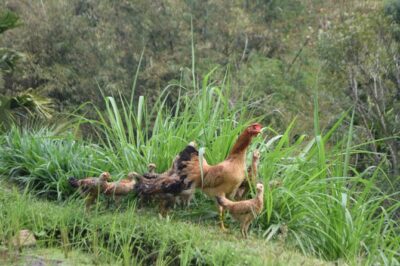
Tetebatu Walking Tour – Rice Terraces, Waterfall & Monkey Forest
Read our review →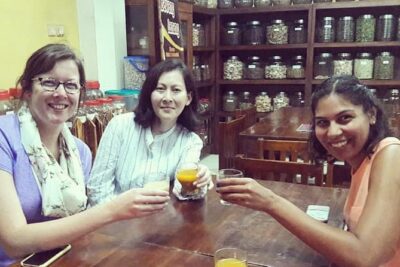
Small-Group Walking and Food Tour by Night in Yogyakarta
Read our review →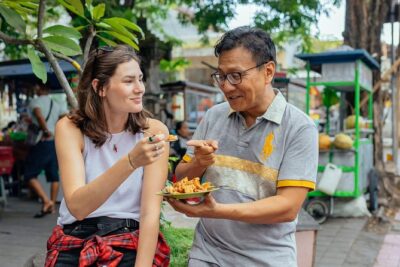
Bali Private Food Walking Tour With Locals: The 10 Tastings
Read our review →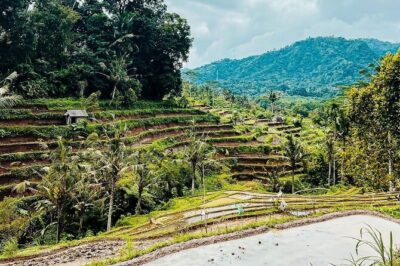
Sidemen Trekking: A Walk from a Different Perspective
Read our review →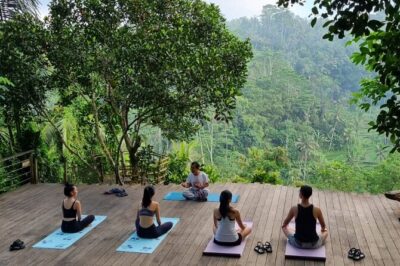
Ubud yoga, rice terrace walk and floating Breakfast tour
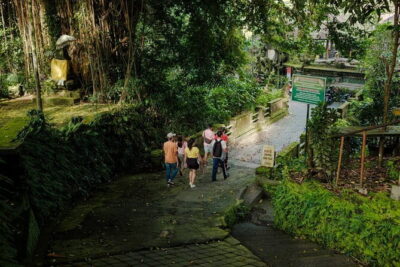
Read our review →
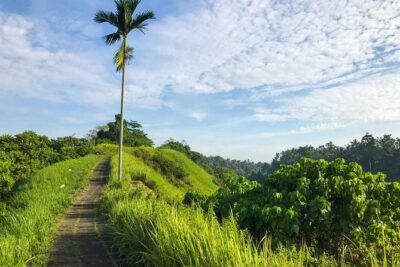
Ubud Countryside Tour: Campuhan Ridge Walk and Rice Terrace
Read our review →Browse the lists this tour appears in