
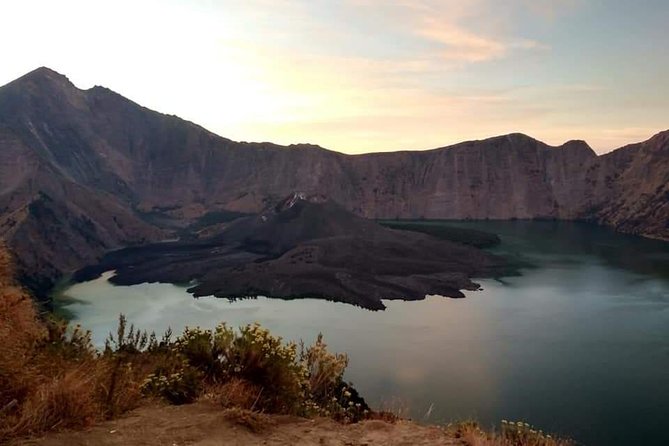
Reviewed · VOLCANO TOURS
2D1N Senaru Crater Rim Trekking
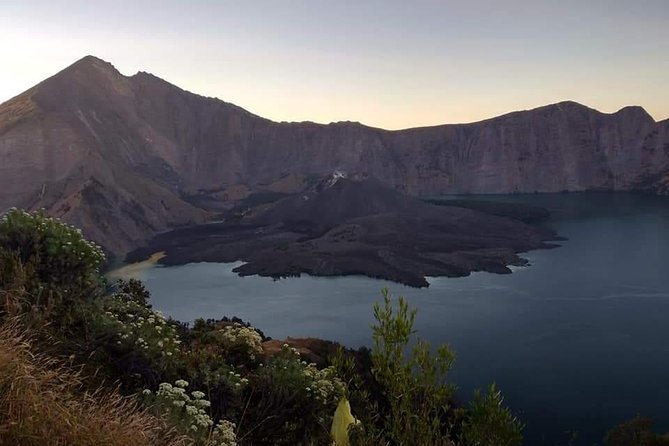
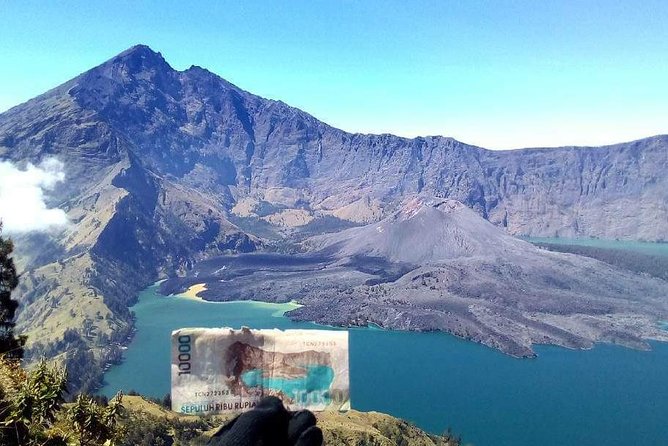
Mount Rinjani saves its big reward for the top. From Senaru, you climb through tropical forest and open grassland to a crater rim with views of Segara Anak Lake, the summit, and Gunung Baru volcanic cone. At sunset, the Gili Islands and Mount Agung on Bali sit across the water.
I like the private format, which lets your group set a sensible pace, and I like the practical camp support. Porters carry the cooking and sleeping equipment, then serve filling meals and provide three litres of drinking water per person per day. The catch is simple: this is still a hard mountain day, with more than 2,000 metres of climbing before camp.
Key points to know before you book
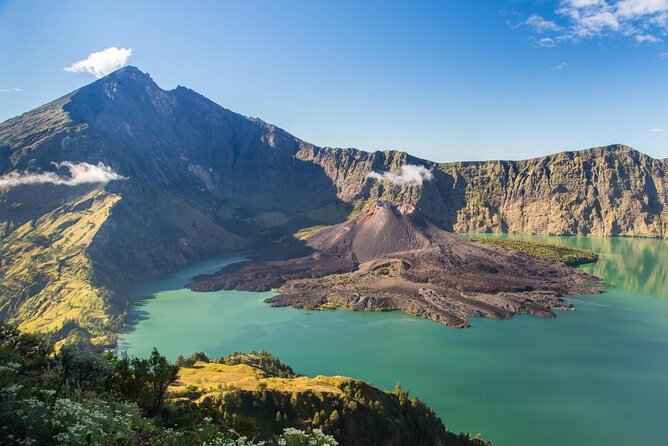
- The climb ends at 2,641 metres: You reach Senaru Crater Rim, not Mount Rinjani’s 3,726-metre summit.
- Day one is the test: The route rises from 601 metres through forest, then gets steeper across grassland.
- Sunset is the prize: Look toward Bali’s Mount Agung, the Gili Islands, Rinjani’s summit, and the crater lake.
- Camp is better equipped than basic trekking: You get a tent, mattress, pillow, sleeping bag, meals, water, and a toilet tent.
- The private guide controls the pace: Guides such as Mario, Lim, Benji, Anton, Rudy, and Rudi have been praised for patient support and encouragement.
- Budget for extras: The national park fee is IDR 250,000 per person per day, while transport, shoes, rain gear, gloves, and a headlamp are not included.
What this Senaru trek actually covers
This is the shorter Mount Rinjani option. You spend two days climbing to the Senaru Crater Rim, camping one night, and returning by the same general route. You do not climb to Rinjani’s summit, descend to Segara Anak Lake, or complete a longer traverse.
That distinction matters. The crater rim route is described as the easiest Rinjani option, but easiest does not mean easy. The first day rises from 601 metres at the Rinjani Trek Centre to 2,641 metres at camp. That is more than 2,000 metres of ascent in one day, and the final part is noticeably steeper.
I see this as a good introduction to Rinjani for someone who wants the views and mountain atmosphere without committing to a summit trek. You still need moderate physical fitness and a willingness to keep walking uphill for hours.
The private setup helps. Your group does not have to match the speed of a large mixed party, and your guide can set a pace that suits you. That does not remove the climb, but it can make the day more manageable.
More Hiking Tours in Lombok
- Rinjani trekking 2D 1N RIM
★ 5.0 · 94 reviews - Rinjani Trekking 3D2N Summit
★ 4.5 · 85 reviews - 3D/2N Rinjani trekking summit,lake and hot springs.
★ 5.0 · 85 reviews
Day one: from Senaru forest to the crater rim
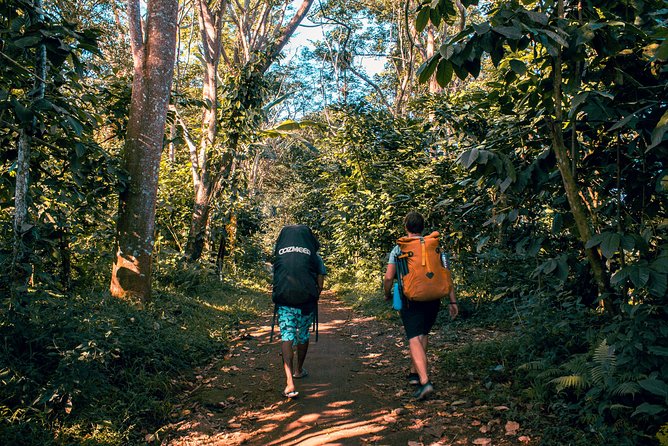
You meet at the Lombok Volcano Trekking office on Jl. Pariwisata in Senaru at 7:00 am. Registration takes place at the Rinjani Trek Centre, at roughly 601 metres above sea level, before you enter the forest.
The early section passes through dense tropical forest. You stop at Pos 1 and Pos 2, which break the climb into more manageable sections. This part is shaded and greener than the upper slopes, but you are gaining height from the start. I would use the first hours to find a steady rhythm rather than pushing hard.
Lunch is planned at Pos 3, around 2,000 metres. This is a useful point in the day because most of the remaining climb moves out of the forest and into open grassland. The change brings wider views, but it also means more exposure to sun, wind, and rain.
After Pos 3, the trail becomes steeper as it works toward the Senaru Crater Rim. This is the section where the trek feels serious. If you have underestimated the route, you will notice it here. The private guide should help you hold a pace you can maintain, and the porters carry the bulky camp and cooking equipment so you can focus on walking.
Arrival at the rim is the day’s main reward. The camp area sits at about 2,641 metres and gives you an extraordinary spread of views. You can see Rinjani’s summit, Segara Anak Lake, the Gunung Baru volcanic cone, Mount Agung on Bali, and the Gili Islands.
The sunset is a major reason to choose this route. Look west toward Bali and the Gili Islands as the light changes. Conditions can affect what you see, so the view is not guaranteed every evening, but the position of the campsite gives you a strong chance at a memorable sunset.
The campsite: simple, comfortable, and useful
The camping setup is more thoughtful than carrying your own basic tent and sleeping kit. The package includes a tent, sleeping bag, mattress, pillow, toilet tent, and toilet paper. Porters carry the camping and cooking equipment and prepare the meals.
That extra gear makes a real difference after the climb. A thick mattress and warm sleeping bag have been especially useful for people who expected a very basic night outdoors. You are still camping on a volcanic mountain, so do not expect a hotel room, but the setup gives you a proper place to rest.
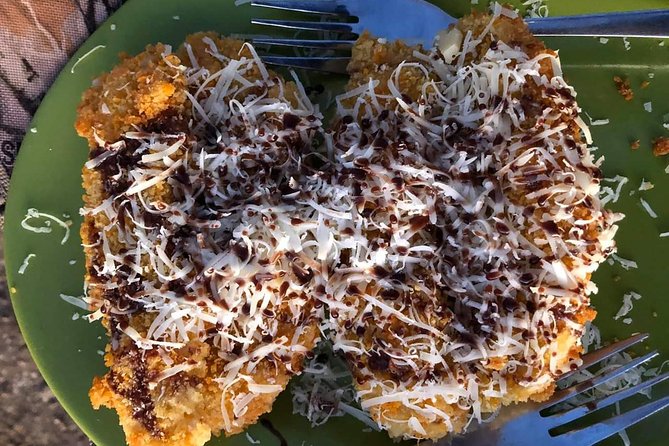
Food is included throughout the trek, along with three litres of mineral water per person per day. Meals and snacks are part of the support system, not an afterthought. Groups have described the food as plentiful and surprisingly good, with vegetarian adjustments available.
Tell the operator about dietary needs before you start. The available information confirms vegetarian meals can be arranged, but it does not set out a full list of special diets.
The toilet tent is another small but important comfort. It gives you more privacy than an exposed mountain stop and means you do not need to pack a separate toilet arrangement. Bring personal toiletries and any medication you need, since those are not listed among the inclusions.
Sunset, sunrise, and the view from 2,641 metres
The crater rim is the scenic heart of this trip. From camp, you look across the volcanic interior toward Segara Anak Lake and Gunung Baru, a volcanic cone within the wider Rinjani area. Behind or around you, the summit rises higher, making it clear that this route stops short of the mountain’s highest point.
At sunset, the outlook extends toward Mount Agung on Bali and the Gili Islands. This mix of volcanic peaks, sea, and crater scenery is what gives the Senaru route its appeal. You are not simply climbing to a viewpoint above the forest. You are standing beside a huge volcanic basin.
The next morning starts with sunrise. You wake early enough to see the changing light over the crater and surrounding islands, then have breakfast before descending. The precise sunrise conditions depend on cloud and weather, but the high campsite gives you a good position.
I would bring warm layers for the evening and early morning. The provided sleeping bag helps, but temperatures and wind at 2,641 metres can feel very different from the tropical heat at the trailhead.
More Volcano Tours in Lombok
- Mount Rinjani 2 Days 1 Night Senaru Crater Rim
★ 5.0 · 131 reviews - Mt. Rinjani 2D1N Senaru Crater Rim
★ 5.0 · 75 reviews - Trekking Mt. Rinjani 2 Days 1 Night Senaru Crater Rim
★ 5.0 · 55 reviews - Trekking Rinjani Volcano To Crater Rim Senaru 2D-1N Private – Syam Trekker
★ 5.0 · 45 reviews
Day two: a long descent back to Senaru
After sunrise and breakfast, you begin the return to Senaru. The descent follows the route back through grassland and forest, with snack breaks along the way and lunch at Pos 2.
Downhill walking can sound easy after a hard ascent, but it places different strain on your knees and thighs. Loose or uneven volcanic ground can make the descent tiring, especially if your legs are already sore from day one. Good shoes matter here, and trekking shoes are not provided.
The planned arrival in Senaru is around 1:00 pm. The activity ends back at the meeting point, so you need to arrange your onward transport yourself. Pick-up before the trek and transfers after it are excluded.
You can store luggage at the Lombok Volcano Trekking office. That is useful if you are moving around Lombok with a larger bag and only want to carry what you need for the mountain.
Guides, porters, and the human side of the climb
The guide and porter team is a major part of the value. An English-speaking guide leads the trek, manages the pace, explains the route, and helps you through the harder sections. Porters carry the tent, cooking supplies, food, and other camp equipment.
Several guide names connected with this operation include Mario, Benji, Lim, Anton, Rudy, and Rudi. The strongest reports focus on patient encouragement, friendly service, clear support, and guides who adjust their pace to the group.
That matters most when the trail turns steep. A good guide will not make the mountain shorter, but can help you divide the climb into sensible sections. Some guides have also been praised for explaining the natural surroundings and answering questions, which adds more value than simply being led uphill.
The porters deserve practical respect. They carry heavy loads up and down the mountain while preparing camp and meals. A tip is not included in the price, but the people who make the camp work hard for the group. Carry small Indonesian rupiah notes if you plan to tip.
The private format suits couples, families, and solo participants who want close support. One family completed the route with children aged 10 and 12, though that account also makes clear that the children needed determination. I would not treat that as proof that the trek is easy for all children. Fitness, weather, and attitude matter.
What the $156 price gives you
At $156 per person, the price includes more than a guide and a walk. You are paying for an English-speaking guide, porters, food, water, tent, toilet tent, toilet paper, sleeping bag, mattress, and pillow. The porters also carry the cooking and camping gear, which saves you from hauling a full overnight load up 2,000 metres.
That is solid value if you want a supported mountain trip. Buying or renting every piece of camping equipment, arranging a cook, carrying supplies, and handling the route yourself would take more planning. The private group format adds another useful layer, since your party sets the pace.
The listed price does not include the Rinjani National Park fee. The fee is IDR 250,000 per person per day, so for this two-day itinerary you should budget IDR 500,000 per person if charged for both days. Confirm the current fee and payment details before departure, since park rules and charges can change.
Transport is also extra. You need to reach the meeting point in Senaru and arrange your departure from there. Accommodation before the trek is not included either, so plan a night in Senaru if your arrival time makes the 7:00 am start impractical.
What to bring, and what not to expect
The operator lists trekking shoes, a rain jacket, long pants, gloves, and a headlamp or hand torch as items you must provide. I would take that list seriously.
Your footwear should be suitable for a long climb and a steep descent. A rain jacket is useful even when the morning starts clear, since mountain weather can change. Long pants and gloves offer protection from cold, wind, and rough sections of trail. The headlamp matters for the early sunrise start and for moving around camp before daylight.
You do not need to carry the tent, sleeping bag, mattress, pillow, or cooking equipment, since those are included. You should still pack personal clothing, toiletries, medication, a phone or camera, and any small snacks you prefer.
This is not the right trip for someone seeking a relaxed nature walk. The route is physically demanding, and the word crater can make it sound more leisurely than it is. The reward comes from completing a real climb and spending a night high above Lombok.
The booking is non-refundable and cannot be changed for any reason. Since weather and personal fitness can affect your ability to go, book only when your dates and condition are reasonably firm.
Who should choose the Senaru crater rim route
I would recommend this trek to you if you want the main Rinjani views but do not need to stand on the summit. You get the crater, lake, volcanic cone, Bali, and the Gili Islands in two days, with camp support and a private guide.
It also suits you if carrying a full camping load sounds unreasonable. The porters take care of the heavy shared equipment, while you carry your personal items and focus on the climb.
Families with older children may manage it, but I would assess each person carefully. A private group gives you more control, yet the mountain still demands stamina. Solo walkers can book the private activity too, though the price and group arrangements should be checked at booking.
I would look elsewhere if you want hotel comforts, included transfers, or a flexible cancellation policy. I would also choose a longer Rinjani program if reaching the summit is your main goal. This route is specifically about the Senaru Crater Rim.
Should you book this Rinjani trek?
Book it if you want a demanding but supported two-day mountain trip with big views and a comfortable camp setup. The best parts are the sunset and sunrise from 2,641 metres, the private pacing, and the strong guide and porter support.
Skip it if you are not ready for more than 2,000 metres of uphill walking on day one. Be honest about your fitness, add the park fee and transport to your budget, and bring the required gear.
For the right hiker, this is a well-priced way to see Rinjani without taking on the summit route. Just remember the bargain comes with a serious climb.
FAQ
How high does the trek go?
The route reaches the Senaru Crater Rim at approximately 2,641 metres above sea level. It does not reach Mount Rinjani’s summit.
How long does the trek take?
The activity lasts about two days. You start at 7:00 am on day one, camp overnight at the crater rim, and are expected back in Senaru around 1:00 pm on day two.
Is food and drinking water included?
Yes. Food and drinking water are included, with three litres of mineral water per person per day.
What camping equipment is provided?
The package includes a tent, toilet tent, toilet paper, sleeping bags, mattresses, and pillows. Porters carry the cooking and camping equipment.
Is transportation included?
No. Transport to the meeting point before the trek and transfers afterward are not included. The activity starts and ends at the Lombok Volcano Trekking office in Senaru.
How much is the national park fee?
The Rinjani National Park fee is listed as IDR 250,000 per person per day. It is not included in the tour price.
More Two Day Trips in Lombok
- Mount Rinjan 2Days Summit Full Sunrise View Point 3726m
★ 5.0 · 96 reviews - Mount Rinjani Hiking to summit( 2 Days 1 Night )
★ 5.0 · 50 reviews - Mount Rinjani Second Summit Trekking ( 2Days-1Night )
★ 5.0 · 49 reviews - Trekking Rinjani Mountain Summit 2 Days 1 Night – Em Adventure
★ 5.0 · 42 reviews
Just added around Lombok
- Blue Water Express Boat Transfer From Serangan Or Padang Bai To Lombok Or Vice Versa★ 4.5 · 49 reviews
- Full-Day Private Trip to South Lombok★ 5.0 · 15 reviews
- Trekking Rinjani Volcano To Crater Rim Senaru 2D-1N Private – Syam Trekker★ 5.0 · 45 reviews
- Waterfall Tour And Sasak Traditional Tour★ 5.0 · 3 reviews
- MODERATE HIKING: 2D/1N Crater Rim Senaru | Rinjani Samalas Tour★ 5.0 · 8 reviews
- Trekking Rinjani Mountain Summit 2 Days 1 Night – Em Adventure★ 5.0 · 42 reviews
- Trekking Rinjani 1 Day Trek Senaru Crater Rim★ 5.0 · 3 reviews
- Fantastic trip to Sindang Gile & Tiu Kelep Waterfall★ 4.5 · 3 reviews
Volcano Tours, compared.
Borobudur Sunrise from setumbu Hill , Merapi Volcano & Prambanan Full Day Tour
Read our review →
Ubud: Downhill Cycling with Volcano, Rice Terraces and Meal
Read our review →
Jakarta: Volcano, Tea/Rice Fields, Hot Spring, Local Food
Read our review →
Active Volcano, Rice Field, Hot Spring, Fruit market, Tea Plantation with Lunch
Read our review →
Private Guided to The White Crater & Surrounding Areas Tour
Read our review →
Borobudur(climb up), Merapi Volcano and Prambanan Temple Tour
Read our review →
Active Volcanoes Bromo and Ijen – Start Surabaya 3 Days and 2 Nights
Read our review →
Highlights of Ubud & Mount Batur Volcano – Private Day Trip
Read our review →Browse the lists this tour appears in