
Reviewed · WORKSHOPS
Bali Leather Craft Workshop – 6 hours ( canggu / seminyak)
Creating a leather item by hand gives this Bali experience more substance than a quick craft class. At Kaula Bali, you cut the pattern, dye the leather, stitch it, polish the edges, and add the finishing hardware, with rice fields and a quiet studio setting around you. Abenk and Opik guide the work patiently, even when your stitching needs a second try.
I like the freedom to choose the leather texture, color, thread, and final details. I also like that you leave with something useful, such as a card wallet, purse, belt, jewelry piece, or bag, rather than a souvenir that gathers dust. The main drawback is the heat: six hours of handwork can feel long, and you should plan for lunch because it is not clearly included.
Key points at a glance
- A full six-hour process: You work from a flat pattern to a finished leather item.
- Personal choices matter: Select colors, thread, textures, snaps, buttons, and other details.
- Patient instruction: Abenk and Opik demonstrate the techniques and adjust their help to your skill level.
- Peaceful rice-field setting: The workshop takes place away from the busiest streets of Seminyak and Canggu.
- Private activity: Only your own group participates, making it easier to ask questions and work at a comfortable pace.
- Bring lunch and prepare for heat: The day is long, and the studio can become very warm.
Six hours of real handwork, not a quick souvenir stop
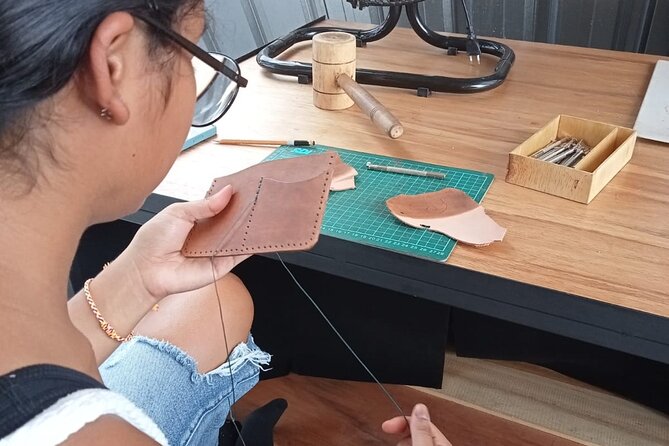
This is a practical craft class built around making one small leather product from start to finish. You are not simply watching someone stamp a design onto a ready-made item. You take part in the decisions and the manual work, with guidance at each stage.
The workshop begins at 10:00 am and lasts about six hours. That timing matters. You have enough room to work carefully, but the experience will occupy most of your day. I would not pair it with a tightly timed afternoon tour or a long transfer across Bali.
The activity is private, so only your group takes part. That gives the class a calmer feel than a large craft demonstration. If you are working with a teenage son, a friend, or a partner, you can compare designs and ask for help without competing for the instructor’s attention.
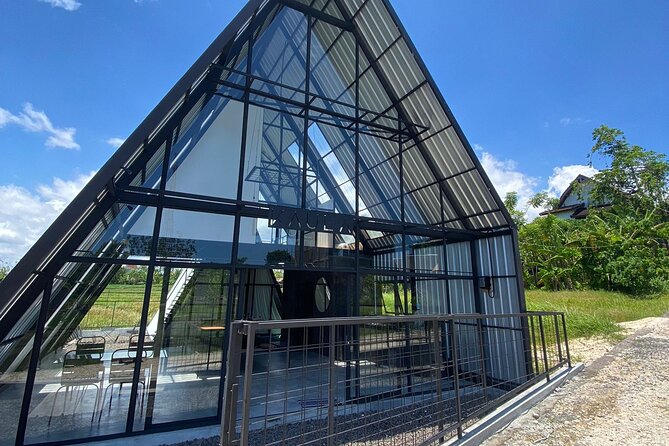
The studio sits in the Kerobokan Kaja area, between the main Seminyak and Canggu zones. The setting is described as quiet and surrounded by rice fields, which changes the pace of the day. You get a break from shops, traffic, and beach crowds while keeping close to one of Bali’s most visited resort areas.
More craft workshops in South Bali:
- Crafting Heritage Batik Painting Workshops
★ 5.0 · 164 reviews - Batik Master Class with Full Process
★ 5.0 · 103 reviews - Borobudur: Village Tour with Pottery and Tofu Making
★ 5.0 · 34 reviews
Arriving at Kaula Bali near Kerobokan
The meeting point is Kaula Bali Leather Workshop, at Gg. Yogya, Kerobokan Kaja, Kuta Utara, Badung, Bali 80361. The experience ends at the same place.
One practical warning is worth taking seriously: the workshop has not always been easy to spot from the main street. Signage has been an issue, so check the meeting point carefully before you set out. A mobile ticket is provided, and the site is near public transportation, but the address is still worth showing to your driver.
The exact location is described as Seminyak for booking purposes, while the address is in Kerobokan Kaja. If you are staying in Canggu or Seminyak, allow time for local traffic. The short distance on a map does not always mean a quick ride in Bali.
Once you arrive, the setting becomes part of the appeal. This is a studio experience in a quieter home-style area, not a polished shopping-center class. That may mean less obvious signage and fewer tourist conveniences, but it also helps the class feel connected to daily Bali rather than built only for passing visitors.
Choosing your leather item and design
An early decision is what you want to make. Possible projects include a wallet, card wallet, purse, belt, jewelry set, bag, or another small leather item. The precise choices available can depend on the workshop and the project, so you should be ready to work within the materials and patterns offered that day.
This choice gives the class a personal center. A card wallet is a sensible project if you want something compact and manageable. A purse or bag gives you more room for design decisions, but it can also require more stitching and finishing time.
You can make the item your own through the materials. Choices mentioned for the workshop include leather texture, dye color, thread color, snaps, buttons, and other accessories. The leather is not just a blank surface for the instructor to finish. Your choices affect how the piece looks and feels when you take it home.
That freedom is useful for mixed-skill groups. Someone who wants a simple, neat design can keep the colors restrained. Someone else can experiment with brighter dye or contrasting thread. You do not need to arrive with a fixed design, since the instructors help you decide what suits the project.
Cutting the pattern to the right shape
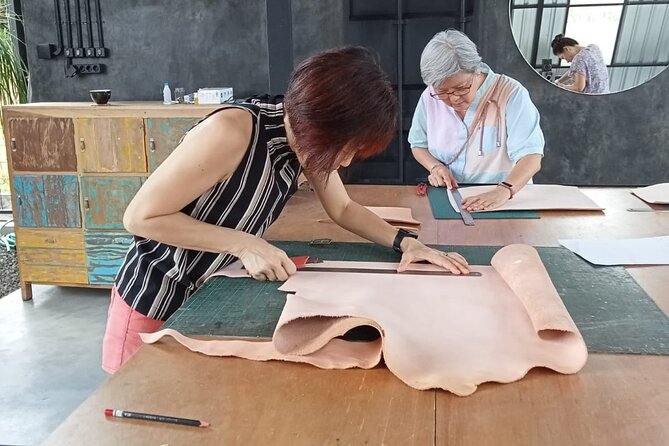
The first technical stage is cutting the leather pattern. This is where careful work pays off. A small error in the size or shape can affect how the pieces meet later, so you should resist the urge to rush through the easiest-looking part.
The instructor guides you toward the desired size and shape. You learn how the flat leather sections relate to the finished object, which makes the final piece feel more satisfying. A wallet or purse begins as separate pieces, and the cutting stage lets you see the basic structure before the stitching brings it together.
This step is also where the class differs from buying a finished leather product. You gain a simple understanding of how leather goods are built. The workshop does not turn you into a professional craftsperson in one day, but it gives you a clear look at the decisions behind a handmade item.
If you are bringing a child or teenager, cutting requires attention and patience. The class is suitable for most people, but it is still hands-on work with tools and materials. The instructors provide guidance rather than leaving you to figure out the process alone.
A few more things to do around South Bali
- Waterbom Bali Tickets – Single Day Pass
★ 4.5 · 620 reviews - Canggu: Drag Show with Dinner
★ 5.0 · 414 reviews - Balinese Cooking Class in Seminyak
★ 5.0 · 281 reviews - Canggu Scooter Lessons
★ 5.0 · 195 reviews
Adding color and texture
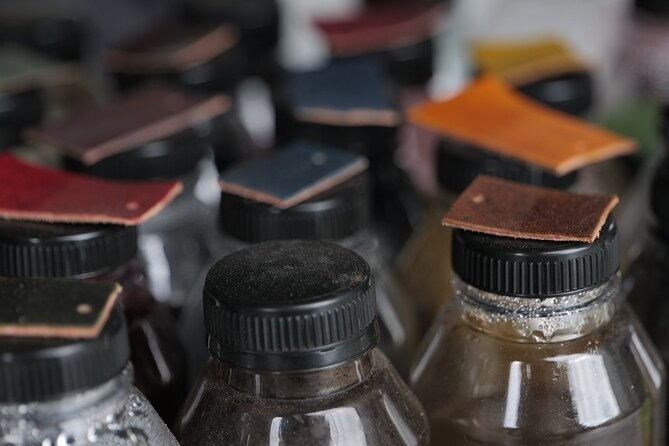
After cutting, you learn to add color to the leather. Several dyes and finishes are available, allowing you to choose the look and feel you want.
This is one of the most enjoyable parts for many people because the material begins to change in front of you. A plain piece of leather becomes recognizably yours. You can work toward a single clean color or make a more individual choice, depending on the options available for your project.
The dyeing stage rewards a steady hand. Color is part of the design, but it is also part of the finish, so you should follow the instructor’s directions rather than treating it like a casual painting session. Abenk is described as encouraging and able to meet people at different skill levels, which matters when one person in your group has a stronger artistic instinct than another.
The workshop’s quiet surroundings help here. You can focus on the piece rather than trying to hear instructions over a large crowd. The trade-off is that the open, warm setting may become uncomfortable during a long session. Wear clothing you can work in and be ready for the heat.
Preparing, stitching, and joining the pieces
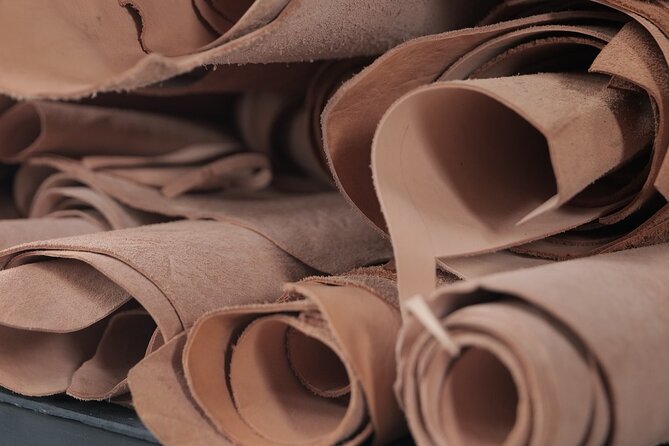
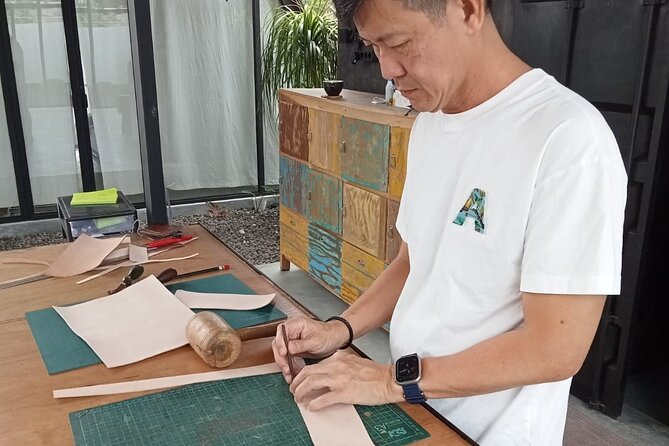
Once the leather is cut and colored, the pieces must be prepared for stitching. You learn how to make the sewing process smoother and more precise before using needle and thread by hand.
Hand stitching takes time. It is not the instant part of the class, and this is where the six-hour schedule makes sense. You have to line up the pieces, work through the leather, and keep the thread under control. The result is a strong, functional join, but the process asks for concentration.
I like this stage because it makes the finished object feel earned. A machine-made wallet can be produced quickly, but hand stitching gives you a direct connection to each part of the construction. You will also see your own mistakes and improvements. The instructors can demonstrate the method and keep you moving if your hands are unfamiliar with the tools.
The pace is described as relaxed and chilled, which suits the work. Do not expect a fast-moving lesson with one activity replaced every few minutes. If you prefer a calm project and enjoy learning through repetition, this is a good fit. If you get restless with detailed handwork, six hours may feel excessive.
Polishing edges and applying the finish
After stitching, the edges need attention. You learn to polish them and apply a high-quality varnish for a smoother, more professional finish.
This stage is easy to overlook when you buy a leather item. Yet the edge treatment affects how the object feels in your hand and how finished it looks. A rough edge can make a handmade piece seem unfinished, while polishing gives the wallet, purse, or bag a cleaner appearance.
The varnish also helps define the final surface. The instructors guide you through the process so you are not left guessing how much finishing work is needed. This is the point when a collection of cut and sewn pieces begins to look like a usable product.
The result will still carry signs of your own handwork, which is part of its appeal. Do not expect factory-perfect uniformity. You are making a personal item under instruction, not ordering a mass-produced accessory.
Adding snaps, buttons, and personal details
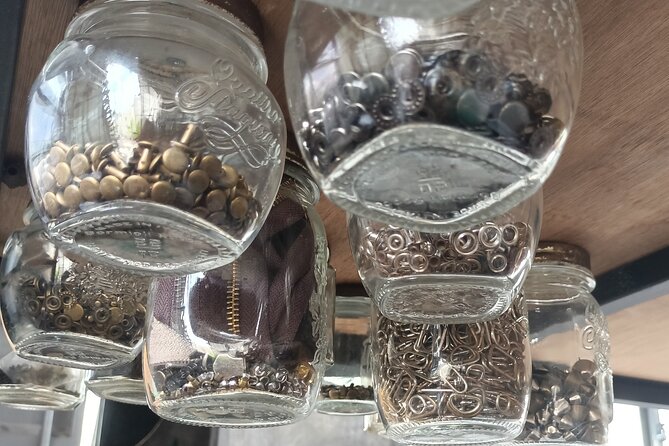
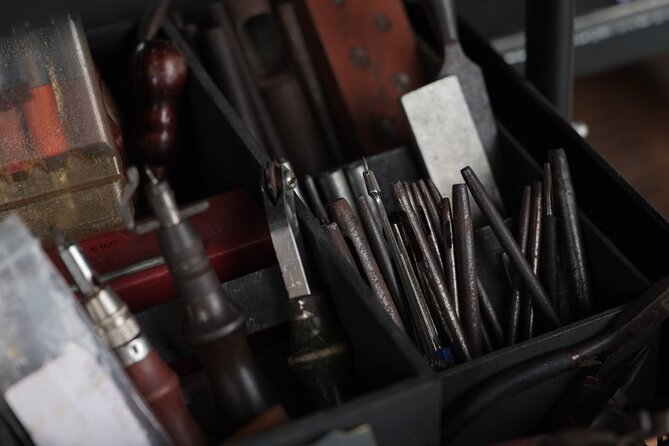
The final stage brings in the small fittings. You may add snaps, buttons, or other accessories to make the item more useful and individual.
These details can change the character of the piece. A snap may make a wallet more secure. A button can become a visible design feature. Thread color and hardware can either blend with the leather or provide contrast.
This is also a chance to correct the balance of the design. If the leather color is simple, a distinctive closure can give it more personality. If you have chosen a strong dye, understated hardware may keep the finished item from feeling too busy.
The instructors remain involved through the finishing work. Their patience is important because the last details often determine whether you feel proud of the result. Several projects can be completed during the day, but your final output will depend on the item, your pace, and the time spent on each stage.
What the rice-field setting adds to the day
The surroundings are not just decoration. A quiet studio beside rice fields gives you a place to slow down and concentrate, which is hard to find in the busiest parts of Bali.
You are still close to Seminyak and Canggu, but the mood is different from a beach club, shopping street, or traffic-heavy road. I like that contrast. The class becomes a half-day break from the usual Bali routine, with your attention fixed on a physical task instead of a phone or an itinerary.
The setting also makes this a good option during a trip built around sightseeing. You get to see a different side of the area without signing up for a major adventure. The experience is rooted in local materials and teaching, though it is still designed as a visitor activity rather than a working artisan apprenticeship.
Do note the practical side. The peaceful outdoor setting does not guarantee cool temperatures. One person found the heat intense, and that is useful advice for planning. Carry water, dress lightly, and expect the workshop to feel more comfortable if you are prepared for Bali’s warmth.
Lunch, transport, and the small practical catches
Lunch is the main planning point. It is wise to bring your own lunch because it is not clearly included in the activity price. On one occasion, the instructor took participants to a nearby warung for local food, but you should not treat that as a guaranteed part of the schedule.
The workshop is near public transportation, and the activity is private. Still, the easiest plan may depend on where you are staying and how comfortable you are finding the Kerobokan address. The meeting point is specific, while the wider experience is often described under Seminyak or Canggu.
Allow extra time for arrival. The limited signage is a small but real inconvenience, especially if you are relying on a driver who has not visited the studio before. Keep the mobile ticket and address ready, and confirm that you are heading to Gg. Yogya in Kerobokan Kaja.
The activity ends back at the meeting point after about six hours. That makes onward planning simple, but you should avoid booking a fixed-time event immediately afterward. Your leather project may take the full session, and traffic can add uncertainty to the return journey.
Is $46 a fair price for six hours?
At $46, this is good value if you want an activity rather than a passive attraction. You receive about six hours of instruction, materials, personal design choices, and a finished handmade product to take home.
The value becomes stronger if you would otherwise buy a leather souvenir. Instead of paying for a finished item with no connection to your trip, you create a wallet, purse, belt, bag, or another small piece yourself. You also learn the basic stages of leatherwork, from cutting through finishing.
The price is less compelling if you only want a quick keepsake. Six hours is a serious commitment, and the experience demands attention, hand stitching, and patience. You should choose it because you want the process, not simply because you want a cheap souvenir.
The private format adds value for couples, friends, and families who want direct help. You are not paying for a large group presentation. You get more room to ask questions and make decisions at your own speed.
The published rating is 4.9 from 20 reviews, with 100 percent recommending the activity. The praise is especially strong for the friendly instruction, peaceful studio, customization, and finished products. I would still keep the heat, lunch, and signage issues in mind when judging the price for your own plans.
Who will enjoy this workshop most?
I would recommend it to you if you like making things with your hands and want a useful reminder of Bali. It works well for friends who want a shared project, couples looking for a quieter day, and parents traveling with a teenager.
It also suits mixed abilities. Abenk and Opik are described as patient, friendly, and encouraging, with instruction adjusted to the person in front of them. You do not need to arrive with leatherworking experience.
This is less suitable if you dislike detailed work, have a packed sightseeing schedule, or want a cool indoor escape from Bali’s heat. The studio is peaceful, but the day is still long and active.
It is also not the right choice if you need a guaranteed lunch, a highly visible meeting point, or a precise finish identical to a shop-bought product. The handmade quality includes small differences, and part of the fun is seeing your own choices in the result.
Should you book the Kaula Bali leather workshop?
Book it if you want a slower, more personal Bali activity that leaves you with something you made yourself. The strongest reasons are the patient instruction from Abenk and Opik, the private format, the range of design choices, and the calm rice-field setting.
I would choose a card wallet or another compact project if you want a manageable first attempt. Pick a bag or purse if the making matters more to you than finishing quickly. Bring lunch, prepare for heat, allow time to find the studio, and keep your afternoon flexible.
For $46, the class offers solid value for six hours of guided work and a finished leather item. It is not a quick stop, but that is exactly why it can become one of the more memorable parts of a Bali visit.
FAQ
Where does the leather workshop take place?
The meeting point is Kaula Bali Leather Workshop, Gg. Yogya, Kerobokan Kaja, Kuta Utara, Badung, Bali 80361, Indonesia. It is associated with the Seminyak area and is near public transportation.
What time does the workshop start?
The workshop starts at 10:00 am.
How long does the activity last?
The activity lasts approximately six hours.
Where does the activity finish?
The workshop ends back at the meeting point.
What can I make during the class?
You may make a small leather item such as a wallet, purse, belt, jewelry piece, or bag. The exact project depends on the workshop options and your choices.
Can I customize my leather item?
Yes. You can choose details such as leather texture, dye color, thread color, snaps, buttons, and other accessories, depending on the project.
Is the activity private?
Yes. Only your own group participates in the activity.
Can I cancel for a full refund?
Yes. You can cancel at least 24 hours before the local start time for a full refund. Cancellations or changes made less than 24 hours before the start time are not accepted for a refund.
Just added around South Bali
- Well-Guided Local Textile Tour of Denpasar★ 5.0 · 13 reviews
- 90 Minutes Surfing Lesson in Canggu★ 5.0 · 25 reviews
- 2-Hour Canggu Private Guided Surfing Experience in Bali★ 5.0 · 3 reviews
- Private Experience Surf Lessons in Canggu★ 5.0 · 9 reviews
- Seminyak Horse back riding In the beach★ 4.5 · 4 reviews
- Backlanes and Hidden Sites: A Self-Guided Audio Tour in Seminyak★ 5.0 · 6 reviews
- Seminyak Indonesian Food Tour★ 3.5 · 7 reviews
- Private One on One Surf Lesson in Canggu area – Bali★ 5.0 · 13 reviews
Workshops, compared.
Borobudur: Village Tour with Pottery and Tofu Making
Read our review →
Batik Heritage Introduction Class with Lunch & Souvenir
Read our review →

Your Fragrance Selection: Bali Perfume Workshop and Creations
Read our review →Browse the lists this tour appears in