Reviewed · WORKSHOPS
Ubud Pottery Ceramic Class in Bali
The best part of this Bali pottery class is that you do not just watch someone make a ceramic pot. You sit down with 2kg of clay and learn by doing, using both hand-building and the pottery wheel. The class takes place at Tana Ampo Pottery Studio in Singapadu, a quieter area near Ubud rather than in the center of town.
I like two things here: the small maximum of 10 people, which should leave room for useful instruction, and the chance to learn from local ceramic makers in a garden setting. At $31.31 per person for about three hours, it offers a good change of pace from temples, shopping, and sightseeing.
The main catch is location. The studio is roughly 30 minutes from central Ubud, and traffic can stretch that journey. Also, if you want to take your finished pottery home, you need at least four days remaining in Bali for the piece to be prepared.
Key points to know before booking
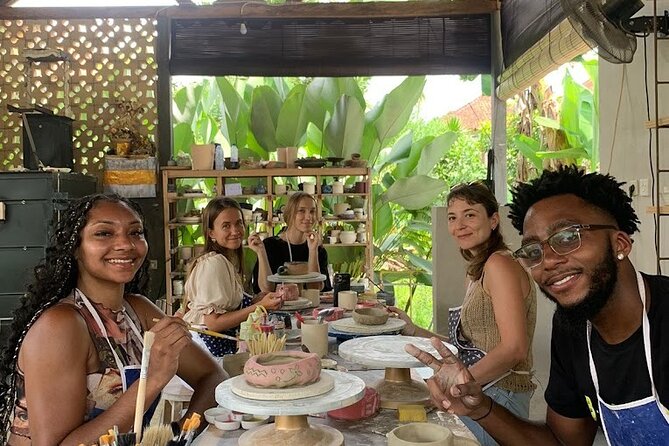
- You work with 2kg of clay: Enough material for a real practice session and more than a quick souvenir painting activity.
- You may make two pieces: The class can include one hand-built item and one piece shaped on the wheel.
- The studio is in Singapadu: The meeting point is Tana Ampo Pottery Studio, not central Ubud or Nusa Dua.
- The group is capped at 10 people: A useful limit for a class where personal guidance matters.
- Allow four days if you want your pottery: The finished work is not an instant take-home item.
- The class lasts about three hours: Plan extra time for the drive, especially around busy traffic periods.
What this pottery class is really like
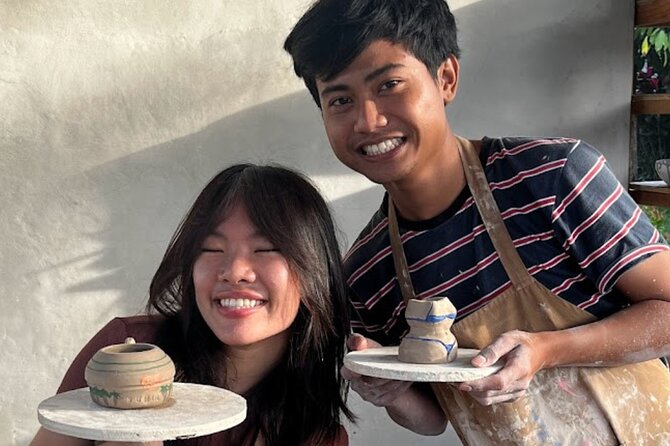
This is a practical craft class, not a quick demonstration followed by a souvenir purchase. You get clay in front of you, guidance from local instructors, and time to shape something with your own hands.
The class covers basic ceramic methods, including hand-building, molding, and wheel throwing. You do not need previous pottery experience. The instruction begins with the basics, so first-timers can follow along without having to pretend they already know how clay behaves.
That matters because clay is less cooperative than it looks. It can slump, crack, wobble, or stick to your fingers. A good lesson helps you understand pressure, moisture, balance, and timing rather than simply handing you a finished item to decorate.
The most useful format appears to be the chance to make two different pieces. One can be formed by hand, while another is shaped on the wheel. These methods feel quite different. Hand-building gives you more direct control over the form, while the wheel demands steady hands and a calm rhythm.
You should not expect perfect pottery on your first try. The value is in learning how the material responds and seeing your own rough shape become a recognizable vessel. That makes this a good activity for curious beginners, families, and couples who want something more active than another afternoon by the pool.
More craft workshops in Ubud:
- Crafting Heritage Batik Painting Workshops
★ 5.0 · 164 reviews - Batik Master Class with Full Process
★ 5.0 · 103 reviews - Borobudur: Village Tour with Pottery and Tofu Making
★ 5.0 · 34 reviews
Entering Tana Ampo Pottery Studio in Singapadu
The meeting point is Tana Ampo Pottery Studio, at C793+8PH in Central Singapadu, Sukawati, Gianyar Regency. The experience ends at the same location, so you need to arrange your own way there and back unless your wider Bali plans already place you nearby.
The address matters. The activity is described as an Ubud pottery class, but the studio is outside central Ubud. One direct account places the drive at about 30 minutes from central Ubud, with traffic capable of making it longer. From Nusa Dua, the journey may be more demanding still, so check your route before booking rather than assuming this is a walk-up Ubud activity.
The setting is described as a beautiful garden, which should make the studio feel removed from city noise and traffic once you arrive. That peaceful backdrop suits pottery well. Clay work rewards patience, and a calm setting is easier on beginners than a rushed workshop in a crowded commercial space.
The studio location also gives you a look at a less tourist-heavy part of the Gianyar area. You are not simply passing through a major attraction. You are visiting a working place connected to local craft, which gives the class more character than a generic hotel activity.
Your three hours with clay
The class begins with instruction in the basic techniques. You learn how clay can be shaped, how different methods produce different forms, and how to handle the material before attempting your own pieces.
The hand-building portion is likely the gentler introduction. You can form and adjust the clay directly, adding personal touches as you go. It is easier to pause, inspect the shape, and correct a problem with your fingers.
Wheel throwing is a different challenge. The spinning clay needs centered hands and even pressure. A small mistake can send the form leaning sideways, so expect a little trial and error. That is not a flaw in the activity. It is the point of having an instructor nearby.
The class has been described as allowing one hand-made piece and one wheel-thrown piece. Since the exact order and final output can depend on the lesson, the available time, and your pace, you should treat two pieces as a realistic possibility rather than a guarantee of two flawless pots.
With 2kg of clay supplied, you have enough material to work seriously rather than merely touch the medium for a few minutes. You may use the clay across the projects, practicing a technique before settling on a final shape.
The personal touches are part of the appeal. You can shape the profile, alter the rim, and add simple details under the instructor’s direction. The finished work may be modest, but it will carry the marks of your own hands. That is a better souvenir than something pulled from a shop shelf if you value the process as much as the object.
Local instruction without the pressure of experience
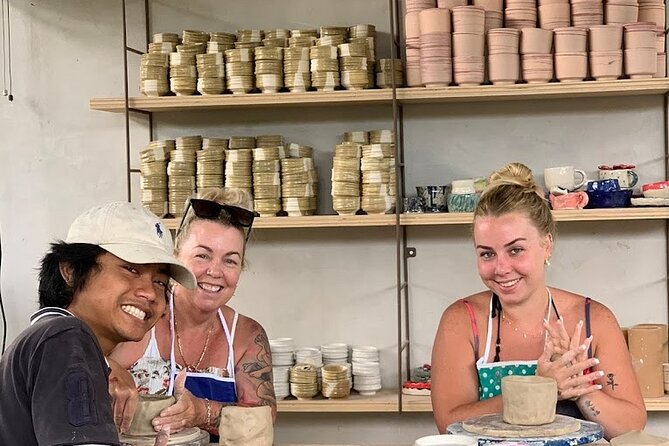
The instructors teach from the beginning and explain the basic methods in a way that suits people new to ceramics. The group limit of 10 is important here. Pottery is not a craft where a guide can simply talk to a large crowd and expect everyone to succeed.
You will want hands-on correction when the clay loses its shape or the wheel starts working against you. A small group makes it more likely that you can ask for help, watch another person’s technique, and then try again.
The teaching also gives the activity a cultural angle. Ceramic making is not presented only as a modern hobby. You learn that clay work includes traditional and contemporary forms, with practical objects such as jars and flower vessels among its uses.
That context is brief rather than academic, but it helps you see pottery as part of daily life and artistic practice. You are not just producing a Bali-themed object. You are learning a basic craft from people who work with the material locally.
The available feedback is especially strong on the instructors’ friendly and helpful approach. That is worth emphasizing because beginners often worry about feeling clumsy in a class like this. You should expect an encouraging lesson rather than a formal art-school test.
A few more things to do around Ubud
- All-Inclusive Ubud Private Tour
★ 5.0 · 14,344 reviews - Best of Ubud Full-Day Tour with Jungle Swing
★ 5.0 · 8,571 reviews - Ubud: Monkey Forest, Jungle Swing, Rice Terrace, and Water Temple
★ 5.0 · 7,160 reviews - Best of Ubud 1-Day Private Tour
★ 5.0 · 4,451 reviews
What happens to your pottery afterward
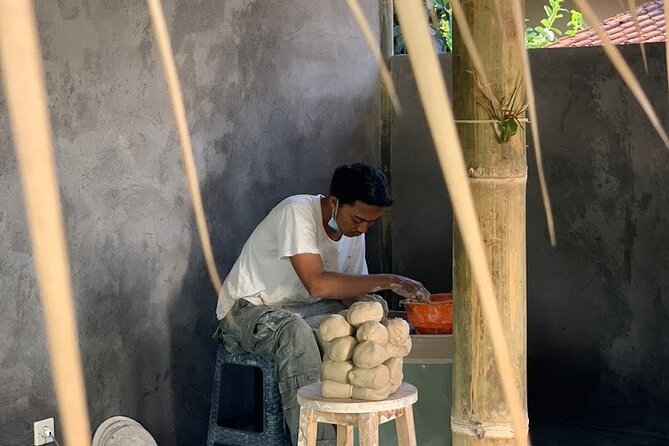
This is the detail most likely to affect your booking decision. If you want to take your work home, you need at least four days remaining after the class.
The reason is practical: clay pieces need time for the finishing process. The activity information does not promise instant collection, so do not schedule this on your final day in Bali. A short stay may still work if you are happy to leave the pottery behind, but that weakens one of the main reasons to make it.
Before booking, match the class date to your departure date. Four remaining days is the stated minimum, and allowing a little extra time would be sensible if your plans are tight. You should also confirm how and when collection or delivery is handled at the studio, since those details are not provided here.
This timing issue is not a minor footnote. A handmade piece is the tangible result of your class, and losing the chance to receive it could be disappointing. Put the pottery session earlier in your Bali schedule if bringing it home matters to you.
Price, group size, and overall value
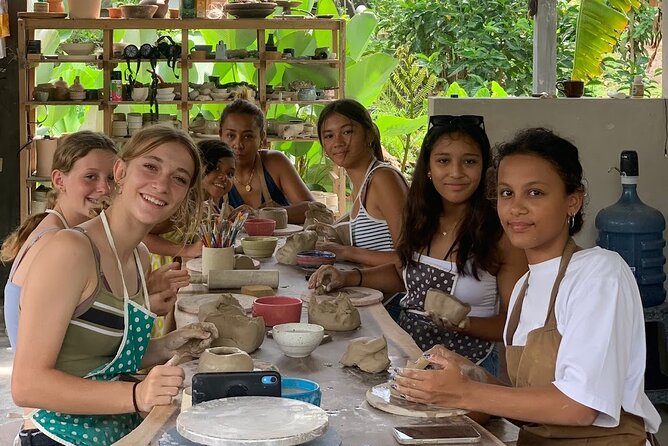
At $31.31 per person, the class is reasonably priced for a three-hour guided activity that includes 2kg of clay. You are paying for instruction, studio time, and materials, not just admission to a workshop.
The value improves if you use the whole session and try more than one technique. A hand-built piece plus wheel practice gives you a wider taste of ceramics than a single short demonstration. It also makes the class suitable for people with different interests within the same group.
Personal expenses are not included, so budget for anything else you choose to buy or arrange separately. The experience itself ends back at the studio, and no transport inclusion is stated. That means the final cost depends partly on how you reach Singapadu.
The small group maximum adds value. A class of up to 10 people is still social, but it is not an enormous workshop where you might spend most of the time waiting for help. If you are comparing this with a cheaper self-guided craft stop, the instruction is the reason to choose this one.
The current rating is 4.7 from seven ratings, a promising result but not a large sample. I would read that as a good sign rather than a guarantee that every participant will love the experience. Your satisfaction will depend heavily on enjoying creative work, accepting imperfect results, and planning the transport and collection timing properly.
Who will enjoy this class most
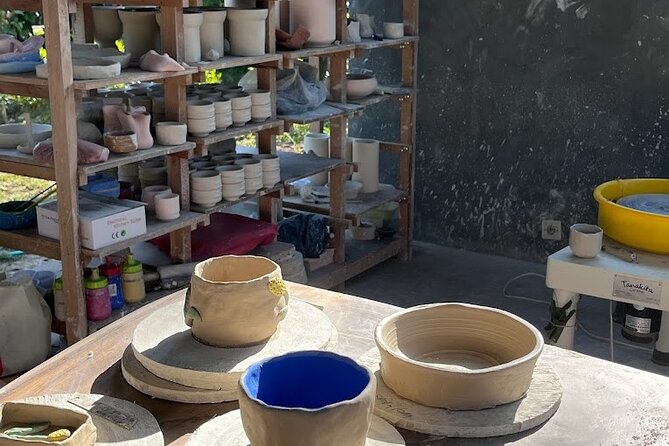
I would recommend it to first-time potters who want a real introduction rather than a polished entertainment show. The instruction starts with basic methods, and you can learn through both hand-building and wheel work.
It also suits families and friends. The class gives everyone a shared task, but each person can create a different shape. That makes the activity more personal than a group photo stop and less passive than sightseeing.
Couples may like it because the class allows you to make separate pieces while sharing the same experience. It can also be a welcome break after several days of temples, markets, and driving.
The activity is less suitable if your schedule is packed tightly around central Ubud. The drive to Singapadu takes time, and the class itself occupies about three hours before adding travel. It is also not ideal for anyone who wants a guaranteed museum-quality result or an item ready to pack immediately.
If you have limited mobility, confirm the practical setup directly before booking. The supplied information says most people can participate, but it does not provide detailed accessibility information about the studio, seating, or wheel area.
Practical planning for a smoother visit
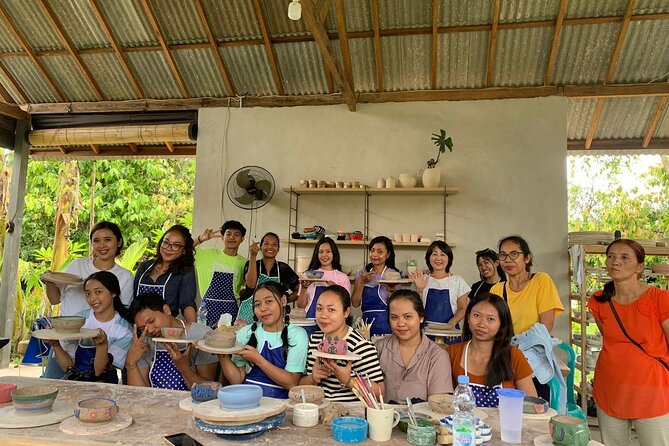
Book with your route in mind. The studio address is in Central Singapadu, Sukawati, not in the middle of Ubud. Give yourself enough travel time for traffic, especially if you are coming from central Ubud or farther south.
Wear clothes you do not mind getting dirty. Clay work is hands-on by nature, and you will likely spend much of the class shaping and adjusting wet material. The supplied details do not specify whether an apron or other protective clothing is provided, so avoid your best holiday outfit.
Keep your plans after the class flexible. You may finish on time, but pottery lessons can run at the pace of the people learning. A little breathing room is better than racing to the next appointment with clay still under your fingernails.
Think carefully about your departure date. The four-day rule for taking home your pottery is the single most important planning detail. If you are staying longer, place the class early enough that the finished work can be prepared before you leave.
The booking includes free cancellation up to 24 hours before the start time. Cancel at least 24 hours ahead for a full refund. Changes or cancellations inside that window are not accepted for a refund, and the cut-off uses local Bali time.
Should you book the Ubud pottery class?
Book it if you want to make something yourself, enjoy patient instruction, and have time for a side trip to Singapadu. The combination of 2kg of clay, two possible making methods, a garden studio, and a group maximum of 10 gives the class substance for the price.
I would especially choose it for a first pottery experience or for a group that wants a break from Bali’s usual sightseeing circuit. Just do not confuse the location with central Ubud, and do not leave the class until the last days of your trip if you want your pottery.
Skip it if you dislike messy creative work, have no spare time for the drive, or need a finished souvenir immediately. For everyone else, this is a thoughtful, hands-on way to spend three hours learning a local craft rather than simply buying another object.
FAQ
Where does the pottery class take place?
The class starts and ends at Tana Ampo Pottery Studio, C793+8PH, Central Singapadu, Sukawati, Gianyar Regency, Bali 80582, Indonesia.
How long does the experience last?
The pottery class lasts approximately three hours, not including the time needed to travel to and from the studio.
How much clay is included?
The class includes 2kg of clay for your pottery projects.
Can beginners participate?
Yes. The class teaches the basic techniques, and most people can participate. No previous pottery experience is stated as a requirement.
How many people can join the class?
The activity has a maximum group size of 10 people.
Can I take my pottery home?
You can take your work home if you have at least four remaining days after the class. The pottery needs time for finishing, so do not book this as a final-day activity if you want the pieces.
What is the cancellation policy?
You can cancel at least 24 hours before the local start time for a full refund. Cancellations or changes made less than 24 hours before the start time are not accepted for a refund.
Just added around Ubud
- Ubud private tours★ 5.0 · 4 reviews
- Ubud Village, Tegalalang Rice Terrace Swing, Tirta Empul Temple and Waterfafall★ 5.0 · 7 reviews
- Ubud Instagram: Waterfall Tours★ 5.0 · 57 reviews
- Ubud Waterfalls and Rice Terraces Private Day Tour★ 5.0 · 12 reviews
- Bali Half Day-Tour: Ubud Night Trip Packages★ 5.0 · 5 reviews
- Ubud VW Safari Bali Tour – Volkswagen Classic Car Trip★ 5.0 · 21 reviews
- Hidden Ubud: Waterfalls & Sacred Temples★ 5.0 · 6 reviews
- Ubud Full Day Tour Waterfall Monkey Forest Rice Terrace★ 5.0 · 4 reviews
Workshops, compared.

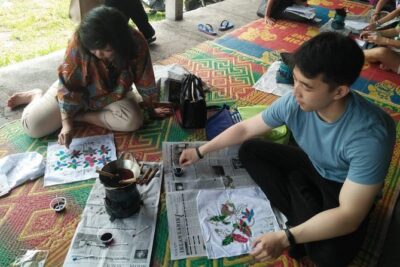

Borobudur: Village Tour with Pottery and Tofu Making
Read our review →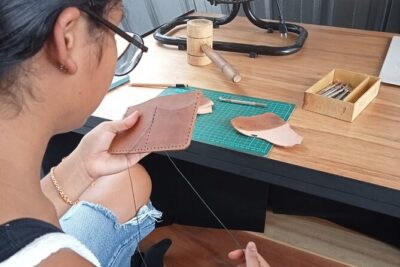
Bali Leather Craft Workshop – 6 hours ( canggu / seminyak)
Read our review →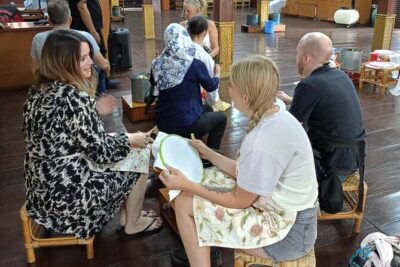
Batik Heritage Introduction Class with Lunch & Souvenir
Read our review →