
Reviewed · YOGA & HEALING RETREATS
Balinese Healing Experiences
Tirta Empul is the heart of this outing. You enter its holy spring complex, make an offering, and take part in a traditional purification ritual before meeting a Balinese healer. The visit to Tegalalang Rice Terrace adds a quiet countryside stop before the spiritual work begins.
I like the private format, which keeps the day personal and lets your guide help with the ritual. I also like the practical inclusions: transport, entrance fees, offerings, a sarong, and water are covered. The main catch is that the 4 to 5-hour schedule leaves little room for a leisurely lunch, and lunch is not included.
Key Points to Know Before You Book
- Tirta Empul is the main event: Plan on about three hours at the holy spring temple, including purification and time with the healer.
- Tegalalang comes first: You get about an hour for rice terrace views and photos before reaching the temple.
- It is a private outing: Only your own group takes part, with pickup from hotels in Ubud or south Bali.
- The price covers the basics: At $50 per person, admission, offerings, guiding, a sarong, mineral water, and transport are included.
- Ask for Ketut if available: He is praised for friendly service, clear help during the cleansing, and taking photos.
- Bring time for culture, not just sightseeing: The experience is built around Balinese Hindu practice rather than a fast checklist of attractions.
What This Balinese Healing Experience Actually Involves
This is not a standard sightseeing loop with a quick temple photo stop. The day is built around a Balinese Hindu purification ritual, known locally as melukat, at Tirta Empul. The setting matters: the temple’s spring water is considered holy, and the ritual gives the visit a clear purpose.
You begin with hotel pickup, then travel toward Ubud’s countryside. The route is useful for visitors staying in Ubud or south Bali who want a private cultural outing without arranging separate transport. The total experience lasts about four to five hours, so it fits comfortably into a half-day.
The tone depends partly on your guide. Ketut receives especially warm praise for being polite, funny, helpful, and good with a camera. That last point is not trivial. A ritual can be awkward to photograph while you are taking part in it, so having a guide who can capture a few moments lets you stay focused.
You should approach the healing element with an open mind, but also with sensible expectations. This is a cultural and spiritual experience, not a medical treatment. The listing describes a session intended to help with grounding, clarity, and direction. Your own response may be reflective, emotional, or simply curious.
More Yoga Retreats in Bali
- Meditate with a Shaman
★ 5.0 · 77 reviews - TULA Wellness Half Day Experience with Sound Healing
★ 5.0 · 34 reviews - Bali Spiritual Shamanic-Palm Reading, Temple Healing Tour
★ 5.0 · 32 reviews
Tegalalang Rice Terrace, Your Quiet First Stop
The first stop is Tegalalang Rice Terrace, about one hour. You visit for the views, the layered rice fields, and a first look at the countryside around Ubud. It is a good opening because the pace is gentler before the more structured temple ritual.
I like the order of the day. You are not rushed straight from a hotel into a formal ceremony. Instead, you have time to look around, take photographs, and settle into the setting. The rice terraces also provide useful cultural context. Farming remains closely tied to Balinese village life, and the terraces show how carefully water and land are managed.
Do not expect a long rural walk based on the information provided. The stop is described as a visit for the beautiful view, with admission included, and lasts about an hour. That makes it a scenic introduction rather than a full hiking excursion.
Tegalalang can also be the most conventional part of the experience. If your main goal is the purification, one hour here is enough. If you want a long walk through fields, extra time for coffee, or a broad tour of Ubud’s agricultural areas, this outing may feel too short.
Your guide can help frame what you are seeing, but the details of the explanation may vary. You will get more from the stop if you treat it as a chance to slow down rather than as a box to check.
Tirta Empul and the Holy Spring Ritual
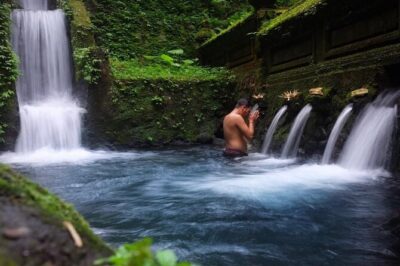
After Tegalalang, you continue to Tirta Empul, often called the Holy Spring Temple. This is where the experience becomes more personal. You receive help with the purification process, use the provided sarong, and take part in the ritual before meeting the healer.
The temple portion lasts about three hours. That is a large share of the day, and it tells you where the value lies. You are not simply entering, snapping a picture, and leaving. The schedule allows time for the offering, the water ritual, guidance, and the healing session.
The temple visit is also the part that calls for the most respect. You are entering an active religious site, not a staged attraction. Follow your guide’s instructions, dress appropriately, and treat the springs and other worshippers with care. The supplied sarong helps with temple requirements, while the included offering gives you a direct role in the ceremony.
The purification typically involves moving through the spring area and stopping at the water spouts as part of the ritual. Since the supplied details do not spell out every step, your guide will be the person to follow on the day. You should not assume that every visit feels identical. The flow may depend on temple conditions and the guidance you receive.
This is also where privacy helps. In a large group, a spiritual ritual can feel like a performance. With only your own party taking part in the tour, you have more room to ask questions and focus on the meaning of the ceremony. Your guide can also assist with practical matters, such as the sarong and offering.
The healing session follows the purification. The stated aim is to help you find grounding, clarity, and direction. Those words are intentionally broad. You may value the session as a religious and cultural encounter, or you may approach it as a moment for quiet reflection. Either response is reasonable.
I would not book this activity if you want a purely secular spa treatment. The appeal is the connection between place, ritual, and Balinese Hindu belief. If you are respectful of that setting, the temple visit can be the most memorable part of the day.
The Plantation Stop and Coffee Detail
The overview also includes a visit to a plantation for coffee and an introduction to local religion. This adds a lighter stop after the spring ritual and gives you another way to connect the day’s spiritual themes with daily Balinese life.
The supplied itinerary specifically lists Tegalalang and Tirta Empul, so you should confirm the exact plantation timing with the operator. It may be folded into the route rather than treated as a long separate visit. Do not plan around a full meal there, since lunch is not included.
Coffee is a useful pause after a serious ritual. You can sit, ask questions, and process what you have seen. Still, the plantation should not be the reason you book. The central experience is the purification and healing session at Tirta Empul.
A completely different kind of day out in Bali:
- Bali Full-Day Traditional Village Sightseeing Trip All Inclusive
★ 5.0 · 3,069 reviews - ️ Bali Instagram Tour: The Most Famous Spots (Private & All-Inclusive)
★ 5.0 · 2,857 reviews - Full-Day Tour to Water Temples and UNESCO Rice Terraces in Bali
★ 5.0 · 2,539 reviews - ATV Quad Bike Through Tunnel and Waterfall in Bali
★ 5.0 · 2,098 reviews
How the Private Format Changes the Day
Private transport is one of the strongest practical features. Pickup and return transfers are offered from hotels in Ubud or south Bali, which saves you from arranging a driver for a half-day cultural visit. It also means you are not waiting for unrelated stops or fitting your plans around a large coach.
The private setup matters most at Tirta Empul. You can ask for help without holding up a busload of people, and your guide can give more attention to the ritual. A guide who takes photographs, as Ketut does, can also make the experience easier for solo visitors and couples.
The tradeoff is simple: private tours can be more expensive than joining a basic group temple visit. At $50 per person, though, the price includes transport, fees, offerings, guiding, a sarong, and mineral water. For a private half-day outing, that package offers solid value, especially if you are traveling with friends and can use a group discount.
The experience is also suitable for most people, according to the supplied participation information. That does not remove the need to consider your own comfort with temple rituals, changing into a sarong, and entering holy water. The best choice is to book it because the cultural experience appeals to you, not because it is an easy sightseeing shortcut.
What the $50 Price Covers
The $50 price is easier to judge when you separate the included items from the extras. Your package includes:
- Hotel pickup and return transport from Ubud or south Bali
- Entrance fees
- Offerings for the ritual
- A guide
- A sarong
- Mineral water
- The private tour format
Lunch and personal expenses are not included. You should budget for those separately, even though the outing lasts only half a day. The details do not specify a lunch stop, so bring a little flexibility rather than assuming a full meal is built into the schedule.
For a solo visitor, the main value comes from convenience and personal attention. For a couple or small group, the private vehicle and guide can make the price more attractive, particularly with the stated group discounts.
The price does not promise a luxury spa service or a long wellness retreat. It pays for a cultural visit with a spiritual focus, transport, and guidance. That is a fair deal if you want access to Tirta Empul without organizing each piece yourself.
Guides, Photos, and the Human Side of the Tour
A good guide matters here more than on a simple viewpoint tour. You need someone who can explain what is happening, help you take part respectfully, and give you enough space during the purification.
Ketut is the guide name most closely associated with the strongest praise. His useful strengths include friendly service, humor, politeness, and photography. One solo participant specifically valued being able to complete the cleansing peacefully while receiving photos afterward. If you can request a guide, asking for Ketut may be worthwhile, though availability is not guaranteed by the supplied information.
The guide also shapes how much culture you take away. The experience includes an introduction to local religion, but you should ask questions as you go. A private tour gives you the freedom to ask what offerings mean, why the water is important, and how the purification fits within Balinese Hindu practice.
At the same time, keep your expectations realistic. A four to five-hour outing cannot explain every part of Balinese religion. It offers a focused encounter, not a complete study of the island’s beliefs.
Who Will Get the Most From This Experience
I would recommend this outing to you if you want a cultural activity with a spiritual center, rather than another beach day or shopping trip. It suits solo visitors, couples, and small groups who value privacy and want help handling the temple visit.
It is also a good choice for first-time visitors to Bali who want several related experiences in one half-day: rice terraces, a Hindu temple, holy water purification, a healer, and a plantation stop. The hotel transfers reduce planning work.
You may want to choose something else if you dislike ritual participation, prefer a long nature walk, or want a full-day tour with a proper lunch and several major sights. The schedule is focused. Tegalalang receives about an hour, while Tirta Empul gets the main block of time.
The experience can also suit people looking for a reflective moment during a busy holiday. Just remember that its value is personal and cultural. No tour can guarantee a particular emotional result.
Practical Tips for a Respectful Visit
Wear clothing that makes it easy to use a sarong and follow temple dress rules. A sarong is included, but the tour information does not say that every other clothing need is supplied.
Bring modest personal spending money for lunch or other expenses. Mineral water is included, but lunch is not. You may also want your phone or camera, although a guide such as Ketut may be able to take photos for you.
Keep the temple portion unhurried. Three hours gives you time to listen and take part, so do not treat each stage as a quick photo opportunity. Ask your guide before photographing ritual areas or other people.
The activity is confirmed at booking, and free cancellation is available up to 24 hours before the start time. Changes or cancellations made inside that window are not accepted for a refund, so check your plans before the cutoff.
Should You Book This Balinese Healing Experience?
Book it if you want a private, guided introduction to Balinese purification and are comfortable taking part in a Hindu temple ritual. The combination of Tirta Empul, Tegalalang, transport, offerings, and a healer gives you more substance than a basic temple transfer.
I especially like it for solo visitors and small groups. The private format keeps the day calm, and a guide such as Ketut can help with both the ceremony and photographs. At $50 per person, the inclusions make the cost reasonable for a half-day outing.
Skip it if you want a conventional spa treatment, a long rice-field hike, or a food-focused day. This is a focused cultural experience, and Tirta Empul deserves most of your attention.
FAQ
How long does the experience last?
The experience lasts approximately four to five hours.
Where does hotel pickup operate?
Pickup is offered from hotels in Ubud or south Bali.
Is this a private tour?
Yes. Only your own group participates in the private tour or activity.
What are the main stops?
The main stops are Tegalalang Rice Terrace and Tirta Empul Temple. The experience also describes a plantation visit for coffee and local cultural information.
How long do you spend at Tegalalang Rice Terrace?
The planned time at Tegalalang Rice Terrace is about one hour.
How long do you spend at Tirta Empul Temple?
The planned time at Tirta Empul Temple is about three hours.
Is the purification ritual included?
Yes. The experience includes purification at Tirta Empul’s holy springs, along with offerings and guidance.
Is a healing session included?
Yes. The experience is designed to include a private Balinese healing session after the purification.
What is included in the price?
The price includes fees, an offering, guiding, a sarong, mineral water, and private two-way transfers from a Ubud or south Bali hotel.
Is lunch included?
No. Lunch and personal expenses are not included.
Can I cancel for a full refund?
Yes, if you cancel at least 24 hours before the experience’s start time. Cancellations made less than 24 hours before the start time are not refunded.
Just added around Bali
- Bali Parasailing Adventure, Jet Ski, Banana Boat , Donat Boat, with Transport★ 5.0 · 11 reviews
- 1.5 Hours Bali ATV Quad Tour★ 5.0 · 8 reviews
- ATV Quad Bike Through Tunnel and Waterfall★ 5.0 · 3 reviews
- Bali Driver Recommendation★ 5.0 · 7 reviews
- Bali Cooking Class Experience with All Inclusive★ 5.0 · 12 reviews
- Bali Private Custom Tour★ 5.0 · 12 reviews
- Penglipuran Village Waterfall Swing Private Guided Tour★ 5.0 · 13 reviews
- Bali Sightseeing Car Hire with English-speaking Guide and Driver★ 5.0 · 24 reviews
Yoga & Healing Retreats, compared.
Ubud Tour – Balinese Healing By Shaman And Self Purification
Read our review →
Ubud yoga, rice terrace walk and floating Breakfast tour
Read our review →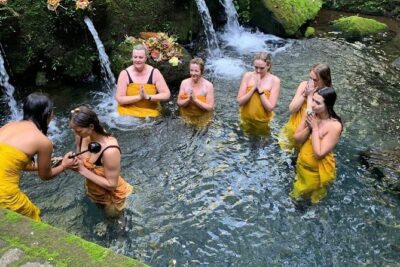
Tula Wellness Half Day Experience with Sound Healing
Read our review →
Discover Ubud: Exotism Ubud and Optional Meet the Bali Shaman
Read our review →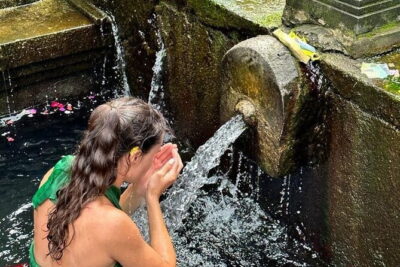
Bali Spiritual Shamanic-Palm Reading, Temple Healing Tour
Read our review →
Browse the lists this tour appears in