
Reviewed · SUMATRA
Tsunami Museum and Affected Areas Tour of Banda Aceh
The most striking sight comes early: a 2,600-ton diesel power ship that was carried inland by the 2004 tsunami and left in a residential area. It is hard to picture a ship moving through a city until you see PLTD Apung 1 sitting where no ship should be.
I like the way this tour joins museum exhibits with real places, and I like that lunch, snacks, private transport, parking, and entrance tickets are included. The main consideration is emotional weight. Mass graves, survivor accounts, and damaged areas are not light sightseeing, so allow yourself a quiet, respectful day.
Key points
- The PLTD Apung 1 ship gives you a startling sense of the tsunami’s force.
- The Tsunami Museum combines personal stories, photographs, videos, science displays, and memorials.
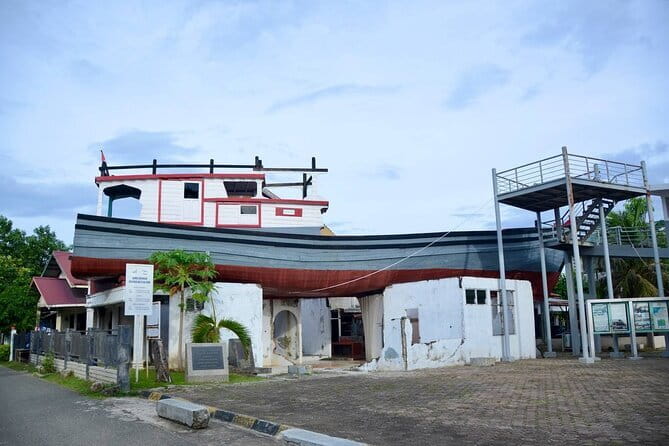
- A fishing boat on a house at Desa Lampulo offers another vivid reminder of how far the waves reached.
- A private, nine-hour schedule gives your group its own vehicle and guide rather than joining a large coach.
- Lunch, snacks, tickets, parking, fuel, and transport are covered in the $119.26 price.
- The tour moves from loss to recovery, including rebuilt communities and memorial sites.
Why the stranded ships make Banda Aceh’s story real
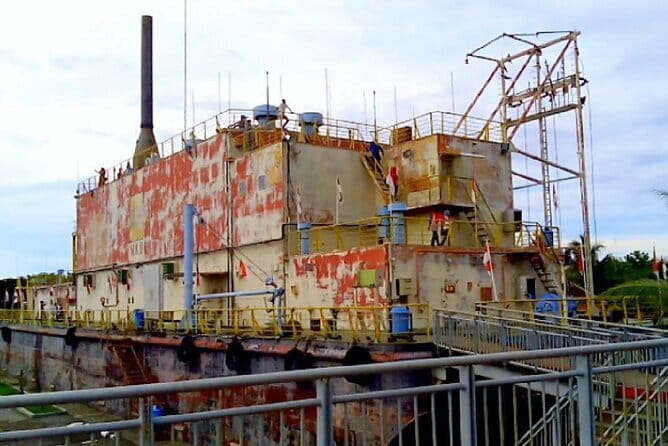
The 2004 tsunami can feel distant when you read about it in a museum. In Banda Aceh, the evidence is woven into the city. The PLTD Apung 1 is the clearest example. This massive diesel power plant ship was swept into a residential area by the waves, where it remains as a physical reminder of the disaster’s force.
You also visit a fishing boat at Desa Lampulo. The boat was carried inland and ended up lodged on top of a house. Seeing two vessels displaced in such different ways gives the day a useful structure: the museum explains the event, while the ships show its scale.
I find these outdoor stops especially valuable because they do not rely only on photographs or displays. You can look at the objects themselves and consider the distance water must have traveled. The sites are powerful without needing dramatic presentation.
Keep your expectations respectful. These are memorial places as much as sightseeing stops. The purpose is not simply to collect unusual photographs, but to understand what happened to homes, families, and neighborhoods.
More museums in Sumatra:
- Jakarta: Miniature Park, National Museum & Traditional House Tour
★ 4.5 · 17 reviews - Nusa Dua: Museum Pasifika Admission Ticket with Audio Guide
★ 4.3 · 4 reviews
Inside the Tsunami Museum from 9:30 to 10:30
The Aceh Tsunami Museum is scheduled for one hour, with admission included. That is enough time for a focused visit, though you should not expect to examine every display at length.
The museum covers several sides of the disaster:
- Personal artifacts and individual stories
- Photographs and videos
- Tsunami science
- A tsunami simulation
- Memorials and tributes
- Reconstruction and recovery
- Objects recovered from the disaster
This mix matters. A museum that only shows destruction can leave you with a narrow picture. Here, the displays also address science, survival, rebuilding, and remembrance. You learn what happened, but you also see how Aceh responded afterward.
The personal artifacts and stories are likely to be the most affecting part of the visit. They put names, belongings, and individual lives alongside the larger numbers. The photographs and videos add visual context, while the science exhibits explain how tsunamis form and why their impact can spread so far.
The simulation may be intense for some people. If you prefer a quieter museum visit, take your time and follow the guide’s explanation rather than treating every display as a quick photo stop. A clear explanation is particularly useful here, since the museum combines emotional material with technical information.
PLTD Apung 1 and the scale of the waves
The next named stop is PLTD Apung 1, with about 45 minutes set aside and admission included. The ship’s size makes this more than a quick photo opportunity. At 2,600 tons, it is difficult to reconcile its industrial weight with the fact that tsunami waves moved it into a built-up area.
This is where the tour shifts from museum learning to physical evidence. You do not have to imagine the force of the water from a diagram. The ship’s location tells the story in plain terms.
Audio and visual information are available at the site, adding explanation to what you see. The guide can help place the ship within the wider story of Banda Aceh, although the information provided does not name individual guides or specify their professional backgrounds.
You have 45 minutes here, which should suit a stop focused on one major object. Still, the schedule is full, so you should not count on lingering for hours. Wear comfortable clothing and shoes suitable for a day of moving between indoor and outdoor sites.
The boat at Desa Lampulo and a second shock
At Desa Lampulo, you spend about 30 minutes seeing a fishing boat that was swept onto the roof of a house. It is a smaller object than PLTD Apung 1, but that can make the scene feel even more immediate.
The boat connects the tsunami to everyday life. A fishing vessel belongs near the water, not above a home. Its position shows how the waves affected ordinary residential areas and working communities.
This stop is short, so listen closely during the explanation and take a moment to look beyond the boat itself. The value comes from understanding what the object says about the surrounding neighborhood. It is not an isolated curiosity. It is part of a wider story of homes, livelihoods, and people caught in a disaster.
The two boat and ship sites complement each other well. PLTD Apung 1 shows the force required to move a huge industrial vessel. The Desa Lampulo boat shows how that force reached into domestic life.
A few more things to do around Sumatra
- 3-Day Ethical Orangutan Jungle Trek | Bukit Lawang, Sumatra
★ 5.0 · 401 reviews - Monkey Business 3 days – 2 nights Jungle trekking (including rafting)
★ 5.0 · 294 reviews - 2 Days and 1 Night Ethical Jungle Trek
★ 5.0 · 229 reviews - 2 Days 1 Night Ethical Jungle Trekking
★ 5.0 · 153 reviews
The mass graveyard and the quietest part of the day
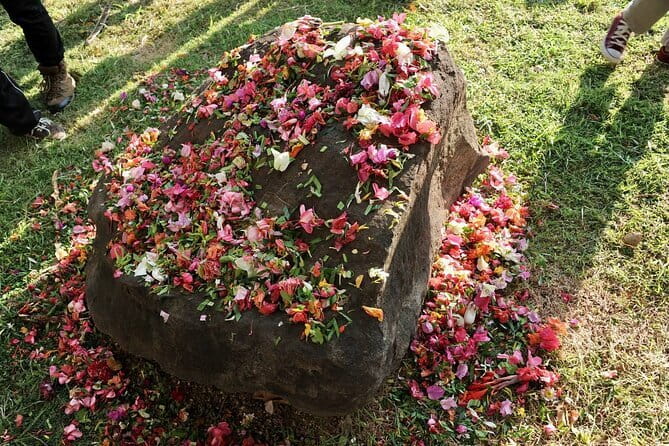
The schedule allows an hour at the mass graveyard, from 11:00 AM to noon. This is a place for paying respects, not simply another stop to photograph.
The graveyard gives the day a different pace after the museum and ship. The museum explains the disaster and the boats show its physical force. Here, the focus is on the people who died. A guide’s role is useful because the visit can otherwise feel difficult to place within the city’s wider recovery.
You should dress and behave respectfully at every memorial site. The tour is built around remembering victims while also recognizing the resilience of survivors, so the tone is serious throughout.
If you need a break after this stop, the schedule provides a lunch pause from 12:30 to 1:30 at a local restaurant. Lunch is included, as are snacks. The specific restaurant and menu are not given, so do not book this expecting a named culinary experience. Think of the meal as a practical pause in a long day.
Seeing rebuilt communities from 2:00 to 3:30
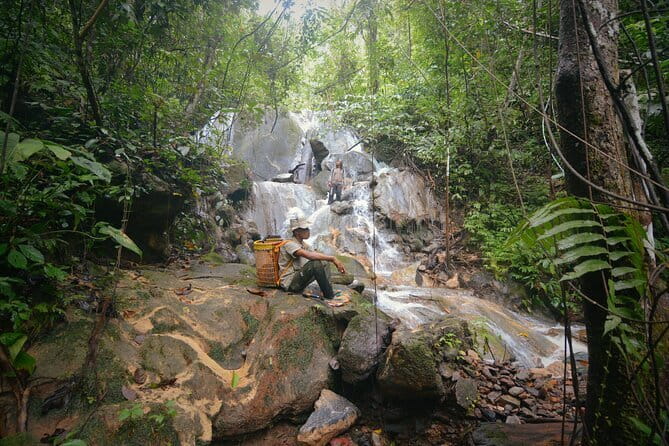
The afternoon turns toward affected areas and rebuilt communities. The schedule gives you 90 minutes to see how Banda Aceh changed after the tsunami.
This part is important because it keeps the tour from ending with destruction. Recovery is not presented as an abstract idea. You see places connected to rebuilding and consider how a city continues after a disaster of such scale.
The available details do not identify every neighborhood or reconstruction project visited. That means the quality of this section will depend partly on the guide’s explanation and the exact route on the day. Ask questions if you want to understand how the rebuilt areas relate to the museum exhibits and memorials.
I like this balance. A visit focused only on damaged sites could leave you with an incomplete picture of Aceh. Rebuilt communities show that remembrance and daily life exist side by side.
Survivor accounts from 4:00 to 5:00
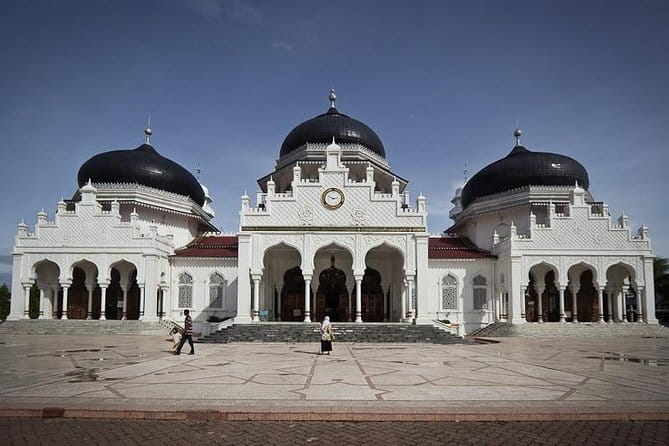
From 4:00 to 5:00, the tour is set aside for survivors’ stories and firsthand accounts. These personal accounts can add what objects and buildings cannot: the human experience of the tsunami and its aftermath.
The provided details do not say whether the accounts come from a scheduled speaker, recorded material, or the guide’s arrangements. Confirm the format if this part is central to your decision. Either way, the hour is intended to give personal experience a central place in the day.
This can be one of the most meaningful parts of the experience, but it also reinforces the need to pace yourself emotionally. You have already visited the museum and mass graveyard. The stories may bring those earlier stops into sharper focus.
Listen with patience. The value here is not entertainment or a quick fact. It is a chance to understand the disaster through individual lives, in a way that statistics cannot provide.
Memorials and the final hour before 7:00 PM
The final scheduled visit runs from 5:30 to 6:30 and focuses on memorials and poignant landmarks. This gives you time to reflect after the more information-heavy parts of the day.
The sequence makes sense. You begin with history and science, move to physical evidence, pay respects at the mass graveyard, see rebuilding, hear personal stories, and finish at memorial sites. It is a serious route, but it has a clear shape.
Return to your hotel is planned for 7:00 PM. Pickup takes place between 8:00 and 9:00 AM, followed by a welcome briefing. The day therefore lasts about nine hours, with most of it spent visiting sites rather than sitting in a vehicle.
Because the tour is private, only your group participates. That gives you more room to ask questions and set a respectful pace than you might have on a large group excursion. It does not guarantee that every stop can be extended, since the schedule still has fixed times, but it is a useful advantage.
What the $119.26 price covers
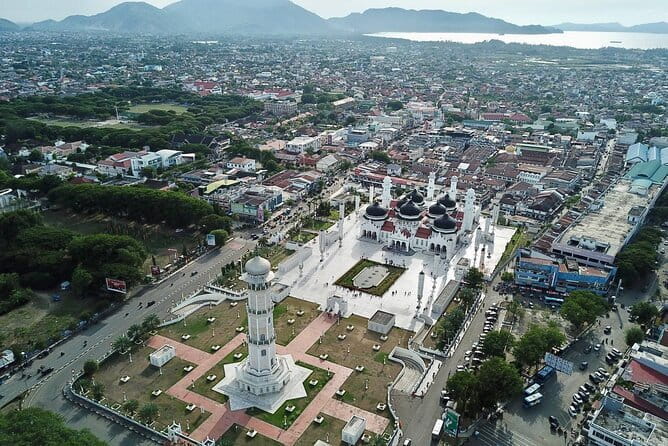
At $119.26 per person, this is not a cheap short city outing. It is a full-day private experience, so the price needs to be judged against what is included.
Your fee covers:
- Hotel pickup and return within Banda Aceh
- Private transportation
- An air-conditioned vehicle
- Fuel surcharge
- Parking fees
- Entrance tickets
- Lunch
- Snacks
That package makes the price easier to justify, especially if you value comfort and do not want to arrange separate rides between spread-out sites. Tickets, parking, and fuel can add up when handled independently, and lunch removes one practical decision during a long day.
The value is strongest for a small group that can share the private vehicle cost. Solo visitors may find the per-person price harder to absorb, though the inclusions still simplify the day. Tips are not included, so budget separately if you wish to reward the guide or driver.
This is also a focused cultural and memorial tour, not a general Banda Aceh sightseeing trip. If you want markets, beaches, food stops, or a broad city tour, this is not designed for that. You are paying for access to a specific story and the transport needed to follow it.
Who should book this Banda Aceh tour
I would recommend it to you if the 2004 tsunami is a major reason for visiting Aceh, or if you want a guided way to understand the city’s recovery. The museum, mass graveyard, stranded vessels, survivor accounts, and memorials create a fuller picture than any single stop could offer.
It also suits you if you prefer private transport and a planned day. Pickup is offered, the vehicle is air-conditioned, and most travelers can participate. The tour is also near public transportation, though the package itself provides private transport.
You may want to choose another activity if you are looking for a relaxed or cheerful day. The subject is painful, and the schedule includes graves and personal loss. Even the most visually striking stops are linked to tragedy.
Free cancellation is available up to 24 hours before the start time for a full refund. Changes or cancellations made less than 24 hours before the start time are not accepted for a refund, and the cut-off follows local time.
Final call: a serious and worthwhile day in Aceh
Book this tour if you want context, not just photographs. The Tsunami Museum gives you the facts and stories, PLTD Apung 1 and the boat at Desa Lampulo make the waves’ force visible, and the later visits show remembrance, survival, and rebuilding.
The strongest reason to go is the combination of sites. A museum alone can feel removed from the place where events happened. A ship alone can seem like an unusual object. Together, they explain Banda Aceh’s experience in a way that is direct and memorable.
Skip it if you want a light half-day outing or if you would find the subject too heavy. For the right visitor, though, this private nine-hour tour offers a respectful way to meet Aceh’s past while seeing how the city continues in the present.
FAQ
How long does the Tsunami Museum and Affected Areas Tour last?
The experience lasts about nine hours, with pickup beginning between 8:00 and 9:00 AM and return to the hotel planned for 7:00 PM.
Is hotel pickup included?
Yes. Pickup is offered from Banda Aceh, and the schedule includes hotel pickup and return.
Is this a private tour?
Yes. Only your group participates in the private activity.
What is included in the price?
The price includes snacks, lunch, an air-conditioned vehicle, private transportation, fuel surcharge, parking fees, and admission tickets.
Are entrance tickets included at the Tsunami Museum and other stops?
Yes. Tickets are included in the tour price.
Which major sites are visited?
The named stops include the Aceh Tsunami Museum, PLTD Apung 1, and the fishing boat at Desa Lampulo. The wider schedule also includes the mass graveyard, affected areas and rebuilt communities, survivor stories, and memorials.
Can most people participate?
Yes. The available information states that most travelers can participate. The tour is also near public transportation.
What is the cancellation policy?
You can cancel at least 24 hours before the experience starts for a full refund. Cancellations or changes made less than 24 hours before the start time are not accepted for a refund.
Just added around Sumatra
- 5-Days Private Tour in West Sumatera★ 5.0 · 28 reviews
- Wonderful 2Days 1Night Bukit Lawang Jungle Trekking Free Rafting★ 5.0 · 53 reviews
- Wonderful 7 Days North Sumatra Tour (Include: 2 Days 1 Night Jungle Trekking)★ 5.0 · 27 reviews
- Bukit lawang tour 3days-2 night jungle trekking including rafting★ 5.0 · 43 reviews
- Full-Day Orangutans Adventure in Gunung Leuser★ 4.5 · 3 reviews
- Turtle Tales of Pulau Banyak★ 5.0 · 4 reviews
- Two days orangutans adventure in Gunung Leuser★ 5.0 · 7 reviews
- Private Tour: Karo Highlands and Lake Toba from Medan★ 4.5 · 45 reviews
Sumatra, compared.

3-Day Ethical Orangutan Jungle Trek | Bukit Lawang, Sumatra
Read our review →
Monkey Business 3 days – 2 nights Jungle trekking (including rafting)
Read our review →
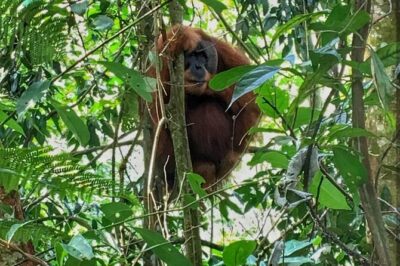

Orangutan Trek (2D/1N) by EcoTravel Bukit Lawang
Read our review →
Monkey Business 2 days – 1 night Jungle Trekking (including rafting)
Read our review →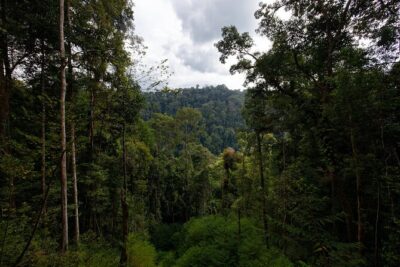
3-Day Bukit Lawang Tour Including 1-Day Ethical Jungle Trekking
Read our review →
Tour Package (jungle trekking, taxi, Room) 4 Days 3 Nights in Bukit Lawang
Read our review →Browse the lists this tour appears in