
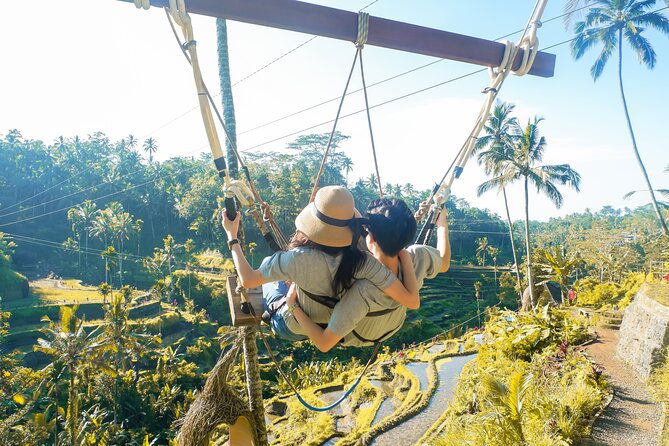
Reviewed · VILLAGE & CULTURAL TOURS
Ubud Cultural Day Tour: A Day for Balinese Cultural Experience
The most memorable part of this day is its sweep. You move from a Barong and fire dance to ancient temples, royal Ubud, rice terraces, monkeys, craft villages, and coffee production without changing hotels or arranging several separate trips. It gives you a useful first look at how religion, art, farming, and family traditions fit together in Bali.
I especially like the private format, since your driver can adjust the pace and skip a market or shopping stop if you ask. I also like the guides’ role: Putu Mertayasa is named among the guides, and the strongest praise goes to drivers who explain local customs, answer questions, wait while you explore, and keep the day moving.
The catch is time. A 9 to 12 hour route with this many stops can feel rushed, and lunch costs extra. Art villages and coffee stops can also feel sales-oriented, so tell your guide early if you want more temples and scenery and less shopping.
Six things to know before booking

- Private from Seminyak: Hotel pickup and drop-off are included, and only your group takes part.
- A full cultural circuit: Barong dance, Batuan Temple, Goa Gajah, Ubud Palace, Monkey Forest, rice terraces, art villages, and coffee all fit into one long day.
- The guide makes the difference: Ask questions about Hindu customs, temple design, village life, and the stories behind the performances.
- Shopping is part of the route: Celuk, Batuan, or Mas may feature silver, gold, paintings, woodwork, or other Balinese crafts.
- Lunch is not included: You will buy lunch locally, with route timing and restaurant choice affecting the day.
- Good value for a first visit: At $75, the private vehicle, guide, hotel transport, water, and included admissions make the price attractive for couples or small groups.
A long day that explains more than it shows
This is not a relaxed Ubud stroll. It is a road-based tour that links several places spread around the southern and central parts of Bali. From Seminyak, an 8:00 am start gives you the best chance of fitting everything in, but traffic can stretch the day toward 12 hours.
That long duration is both the tour’s strength and its weakness. You see far more than you could comfortably arrange on your own in one day, and your driver handles the roads. At the same time, most stops last 30 to 60 minutes. You will get an introduction rather than a slow, detailed study of each place.
The private setup matters here. Your driver can wait while you take photographs, adjust the schedule, or leave out a stop that does not suit you. The strongest guide experiences come from treating the driver as a cultural interpreter rather than just a person behind the wheel. Ask about offerings, temple roles, village crafts, and the meaning of the dances.
More Cultural Tours in Ubud
- Ubud Tour – Balinese Healing By Shaman And Self Purification
★ 5.0 · 236 reviews - Melukat Ceremony and Temple Tour at Tirta Empul Temple
★ 5.0 · 218 reviews - Full-Day Highlights and Best of Ubud Village
★ 5.0 · 81 reviews
The Barong and fire dance begins the cultural lesson
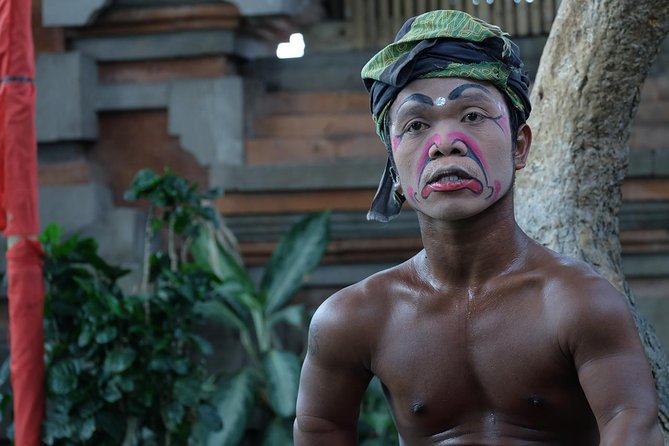
The day starts with about an hour at the Sahadewa Barong Dance and Fire Dance. The Barong is a lion-like creature from Balinese tradition, and the performance presents the struggle between Barong, linked with good, and Rangda, the evil witch.
This is not simply a folk show put on for tourists. The story reflects the Balinese idea that good and evil exist in balance, rather than one side permanently wiping out the other. The costumes, music, gestures, and ritual mood give you a quick introduction to Balinese performance traditions before you visit the temples.
The fire dance adds drama, but the cultural value is in understanding the characters and symbolism. Ask your guide to explain what you are seeing. Without context, the movements and plot can seem hard to follow.
Starting with a performance also means the day begins on a fixed timetable. The later route may be adjusted around traffic, temple activity, or the amount of time your group spends at each stop.
Art villages show the work behind Balinese crafts
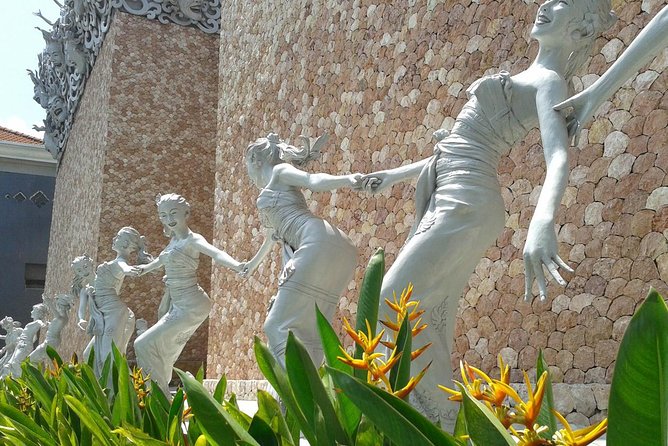
The craft stop may be in Celuk, Batuan, or Mas, depending on the route. Celuk is associated with silver and other metalwork, while the wider village circuit can include painting, wood carving, weaving, and other Balinese art.
This part can be useful if you want to see how local artisans make decorative pieces rather than only seeing finished goods in a shop. It also gives your guide a chance to explain why art is so closely tied to Balinese homes, temples, ceremonies, and daily life.
I would approach this stop with a clear plan. If you enjoy shopping, allow time to look carefully at quality and prices. If you do not want to buy anything, say so politely and early. The route includes commercial stops, and one of the best practical tips from this experience is to ask not to be taken to tourist-oriented shops if that is not your interest.
That request should not be seen as rejecting Balinese culture. It simply helps your guide use the limited time for the parts you value most. For many people, a short look at craft production is enough.
Batuan Temple brings the symbols into focus

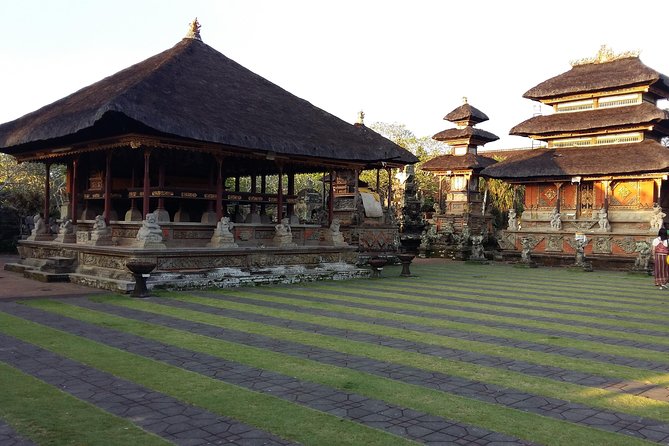
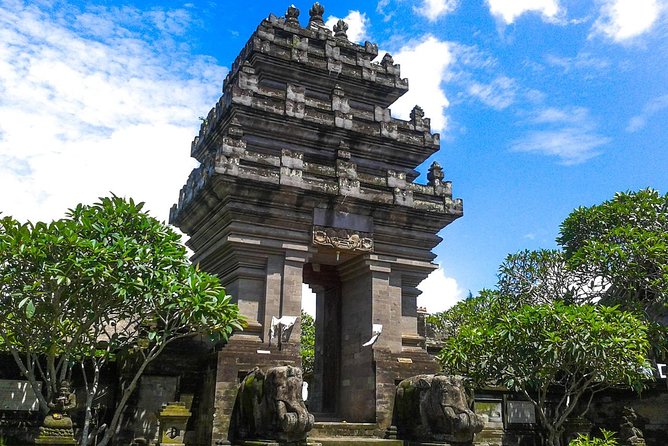
Puseh Batuan Temple is an ancient Hindu temple dating from the 10th century. You have about 30 minutes here, enough to see the carved entrance, temple buildings, and the Ramayana and Mahabharata scenes worked into the walls.
The architecture rewards close attention. Look for the way stone carvings frame gateways and walls, and notice how the temple feels different from a palace or a performance hall. This is an active religious place, not just an old monument.
Dress and behavior matter at temples. The supplied tour information does not list a separate dress code, but respectful clothing and conduct are sensible choices for any Hindu temple visit. Follow your guide’s instructions, stay within areas open to you, and remember that local religious activity may take priority over sightseeing.
The half-hour visit is brief. You will not study every carving, but a good guide can point out enough details to make the stop meaningful.
A completely different kind of day out in Ubud:
- All-Inclusive Ubud Private Tour
★ 5.0 · 14,344 reviews - Best of Ubud Full-Day Tour with Jungle Swing
★ 5.0 · 8,571 reviews - Ubud: Monkey Forest, Jungle Swing, Rice Terrace, and Water Temple
★ 5.0 · 7,160 reviews - Best of Ubud 1-Day Private Tour
★ 5.0 · 4,451 reviews
Monkey Forest mixes nature, belief, and caution
The Sacred Monkey Forest Sanctuary is described as a conservation area with more than 500 long-tailed monkeys. The forest also contains Pura Dalem Temple, and local belief connects the monkeys with guarding the temple.
This stop gives you something different from the stone temples. You are walking through a small forest, watching animals, and seeing how a sacred site can also be part of everyday public life. The connection between the monkeys and Pura Dalem helps explain why the area is treated as more than a wildlife attraction.
You should follow local instructions around the monkeys. Keep your belongings secure, avoid provoking the animals, and listen to your guide. They are described as friendly in the tour information, but they remain wild animals with their own habits.
The allotted hour is enough for a good look without taking over the day. If you want long forest walks or extensive animal photography, this route may feel short. If you want a cultural stop with a lively natural element, it fits well.
Ubud Palace offers a short look at royal Bali
Ubud Palace, or the royal family house, has a role in cultural preservation and performances. The stop lasts about 30 minutes, so expect a compact visit rather than a full palace tour.
The value here is the link between Bali’s royal families and the continuation of Balinese culture. The palace is not presented only as an old residence. It remains tied to cultural shows and efforts to maintain traditions.
Because the visit is short, your guide’s explanation matters. Ask which parts are connected with the royal family, how the palace relates to Ubud’s cultural identity, and whether a performance is scheduled during your visit.
This stop works well beside the Barong dance. The dance shows tradition through performance, while the palace provides a setting connected with cultural protection. You may wish for more time, but the short stop helps keep the whole route possible.
Tegalalang Rice Terrace is the day’s best photo stop
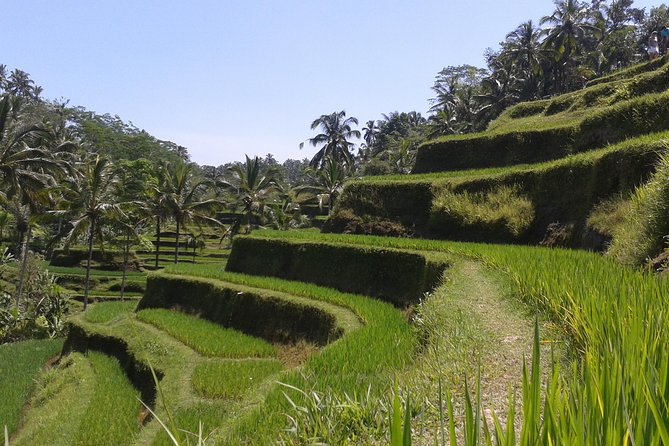
The Tegalalang Rice Terrace gives you a striking view of stepped rice fields shaped over many generations. The tour allows about 30 minutes, mainly for scenery and photographs.
The terraces are not just pretty green slopes. They reflect the work of local farmers and the long effort needed to shape wet rice fields across changing levels of land. Tropical vegetation and the river area add to the feeling of open space after the city traffic.
Bring patience for this stop. Thirty minutes is enough for a view and photographs, but not for a long walk through every section. The exact experience can also depend on weather, crowds, and where the vehicle stops.
Lunch is purchased separately during the day. Some route versions include a local eatery, and one reported stop offered a view toward a dormant volcano, though clouds blocked the active volcano on that occasion. Do not treat a volcano view or a particular restaurant as guaranteed. The practical point is that you should budget for lunch and tell the guide what kind of meal and setting you prefer.
Goa Gajah reveals Bali’s older sacred spaces
Goa Gajah, known as the Elephant Cave, dates from the 9th century and served as a sanctuary. Its entrance is carved with menacing figures and demons, creating one of the more unusual sights on the route.
The cave itself is not the only reason to visit. The carved façade shows how sacred places were marked with protective imagery. The site gives you another way to read Balinese religious architecture, after seeing the open temple compounds at Batuan.
You have about an hour here, longer than at Batuan or the palace. That allows time to examine the entrance, explore the surrounding sacred area, and listen to an explanation of the site’s purpose.
The name can mislead you. Goa Gajah does not mean you should expect elephants inside the cave. The tour information describes an ancient sanctuary and carved entrance, not an elephant attraction. Set your expectations around archaeology, religious art, and atmosphere.
Civet coffee adds an agricultural stop
Bali Pulina Coffee Plantation is included among the tour highlights. Here you learn how civet coffee is produced, adding agriculture and local food production to the day’s cultural themes.
Coffee stops can be interesting when you want to see how a product is processed and understand why it is sold as a specialty. They can also become shopping stops, so ask your guide how much time is planned and what tasting or purchasing involves before you commit.
The coffee plantation is not listed with a separate duration in the detailed stop schedule, so the exact timing may vary. That is another reason to discuss priorities with your driver. If the rice terraces or temples matter most, you can ask how the coffee visit fits into the day.
What the $75 price really covers
At the stated price of $75, you receive hotel pickup and drop-off, a driver-guide, bottled water, and included admission for the listed attractions. For a private tour, that is a useful package, especially if two or more people share the experience.
The main value is convenience. You do not need to arrange several taxis, find each temple, or manage the roads between Seminyak and Ubud. You also have one person who can explain what you are seeing and wait while you explore.
Lunch is extra, and shopping is not part of the price in a way that removes the usual buying decisions. You should also allow for personal purchases at craft villages or the coffee plantation if you want them.
Group discounts are offered, though the supplied details do not specify the exact rates. Ask before booking if you are traveling with a larger party. Confirmation is provided at booking, and you should contact the operator for your exact pickup time.
Free cancellation is available up to 24 hours before the start time. Changes or cancellations inside that window are not accepted for a refund.
Who will get the most from this route
I would choose this tour if you have one full day for Ubud and want a broad introduction rather than a slow visit to one or two sites. It suits couples, families, and small groups who value a private vehicle and the freedom to adjust the schedule.
It is also a good fit if you want to ask questions. Several of the strongest guide experiences involve drivers who explain history, customs, and local traditions in clear English and remain flexible during the day.
I would hesitate if you dislike shopping stops, prefer long walks, or want to spend most of the day at one temple or rice terrace. The route covers a lot, but each stop has a clock attached to it.
The tour is private, and most people can participate. It is also near public transportation, though the included hotel pickup makes independent transport less important.
Should you book the Ubud Cultural Day Tour?
Book it if you want a practical first look at Bali’s cultural center and prefer a private driver-guide to planning a complicated day yourself. The combination of Barong performance, temples, Ubud Palace, monkeys, rice terraces, art, and coffee gives you a broad picture in one outing.
Before you go, tell the guide your priorities. Ask for less shopping if you want more cultural sites, confirm how the coffee plantation fits into the schedule, and budget for lunch. With those expectations in place, the $75 price offers solid value for a long, information-filled day from Seminyak.
FAQ
How long does the Ubud Cultural Day Tour last?
The tour lasts approximately 9 to 12 hours. It starts at about 8:00 am, with the exact hotel pickup time confirmed separately.
Is hotel pickup included?
Yes. Hotel pickup and drop-off are included, and you should contact the provider for your specific pickup time.
Is this a private tour?
Yes. Only your group participates in the activity, rather than joining a shared group vehicle.
Is lunch included?
No. Lunch is not included, so you pay for your meal at a local restaurant or eatery during the day.
Does the tour include the Barong Dance?
Yes. The first listed stop is the Sahadewa Barong Dance and Fire Dance, with admission included.
Which temples are included?
The route includes Puseh Batuan Temple, Pura Dalem within the Monkey Forest area, and Goa Gajah, also called the Elephant Cave.
Are the Monkey Forest and rice terraces included?
Yes. The tour includes the Sacred Monkey Forest Sanctuary and a stop at the Tegalalang Rice Terrace.
Can I cancel for a full refund?
Yes, if you cancel at least 24 hours before the experience start time. Cancellations or changes made less than 24 hours before the start time are not accepted for a refund.
Just added around Ubud
- Ubud private tours★ 5.0 · 4 reviews
- Ubud Village, Tegalalang Rice Terrace Swing, Tirta Empul Temple and Waterfafall★ 5.0 · 7 reviews
- Ubud Instagram: Waterfall Tours★ 5.0 · 57 reviews
- Ubud Waterfalls and Rice Terraces Private Day Tour★ 5.0 · 12 reviews
- Bali Half Day-Tour: Ubud Night Trip Packages★ 5.0 · 5 reviews
- Ubud VW Safari Bali Tour – Volkswagen Classic Car Trip★ 5.0 · 21 reviews
- Hidden Ubud: Waterfalls & Sacred Temples★ 5.0 · 6 reviews
- Ubud Full Day Tour Waterfall Monkey Forest Rice Terrace★ 5.0 · 4 reviews
Village & Cultural Tours, compared.
Bali Full-Day Traditional Village Sightseeing Trip All Inclusive
Read our review →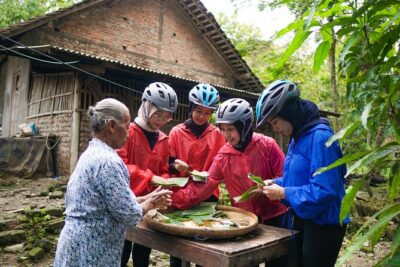
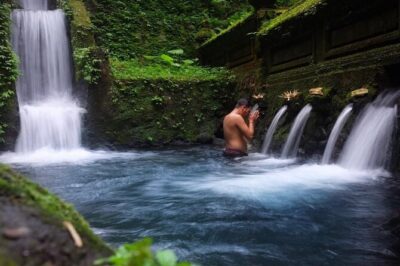
Ubud Tour – Balinese Healing By Shaman And Self Purification
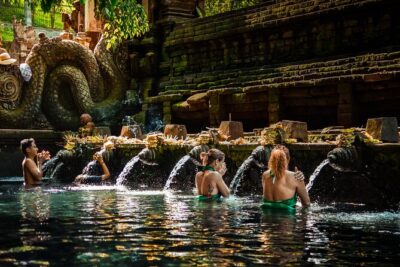
Read our review →Melukat Ceremony and Temple Tour at Tirta Empul Temple
Read our review →
Full Day Kintamani Volcano View and Ubud Village Tour
Read our review →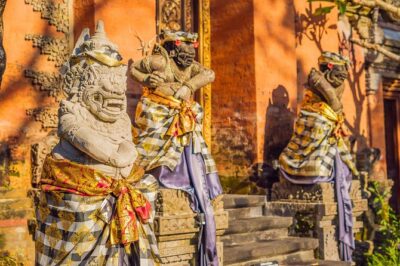
Browse the lists this tour appears in