
Reviewed · TEMPLE TOURS
Melukat Ceremony and Temple Tour at Tirta Empul Temple
Tirta Empul is not just a pretty temple stop. It is a working place of worship where Balinese Hindus come to purify themselves in holy spring water. This private tour gives you a guide at your side as you learn the rituals, make offerings, and take part in the Melukat cleansing ceremony.
I like two things right away: your group has its own guide, so you can ask questions without holding up a larger crowd, and you can choose an early or late time slot. Morning is the smarter pick if you want less congestion. The main drawback is that transport is not included, so you must reach Tirta Empul in Tampaksiring yourself.
Key points to know before you book
- This is a private experience: Only your own group takes part, with an English-speaking guide to explain each step.
- The ceremony involves cold water: Bring dry clothes, underwear, and a towel, especially if you choose the afternoon slot.
- Morning offers a calmer visit: An early start can help you avoid heavier crowds around the purification pools.
- You receive basic ceremonial clothing: A sarong and simple top are included, but this is not a complete traditional Balinese outfit.
- The guide adds the real value: Botak, Kadek, Komang, Dewa, Dana, Agung, and Ketut are among the guides praised for clear explanations and patient help.
- The temple has firm rules: Anyone menstruating cannot enter, and all participants must cover their shoulders and wear bottoms above the knee.
Why Tirta Empul feels different from a standard temple visit
Many Bali temple tours ask you to look, listen, and take a few photographs. Tirta Empul asks you to participate. The temple’s sacred springs feed a series of purification fountains, and the Melukat ritual gives you a structured way to take part respectfully.
Your guide first explains the site’s importance in Balinese Hinduism. You learn about the temple grounds, architecture, holy water, and the role the springs play in local religious life. That introduction matters. Without it, the ceremony can look like a line of people moving from spout to spout. With it, the actions have context.
The experience is not presented as a performance arranged only for outsiders. You are shown how to approach the ritual, how to use the ceremony materials, and how to follow the sequence. Guides such as Komang and Kadek have been praised for staying beside participants throughout the process, while Botak is noted for explaining the temple setup and the cleansing steps clearly.
That personal help is especially useful if you are unfamiliar with Balinese Hindu customs. You do not need to know the prayers or procedures in advance. You do need to listen, follow instructions, and treat the space as a place of worship rather than a photo set.
More Cultural Tours in Ubud
- Ubud Tour – Balinese Healing By Shaman And Self Purification
★ 5.0 · 236 reviews - Full-Day Highlights and Best of Ubud Village
★ 5.0 · 81 reviews - Half-Day Ubud Rice Field and Village Cycling Tour
★ 5.0 · 41 reviews
Exploring the temple before the water ritual
The visit begins at Pura Tirta Empul in Tampaksiring, in Gianyar Regency. Admission is included, and your guide leads you around the temple before the cleansing begins.
Expect an introduction to the temple’s spiritual importance, its architecture, and the sacred spring water. The tour is designed to give you enough background to understand the ceremony rather than rushing straight to the bathing area.
The site itself is one of the main reasons to choose this experience. The water is believed to have cleansing and healing qualities, and the temple remains important to Balinese Hindu worship. You get to see the relationship between the pools, fountains, offerings, and temple spaces while your guide explains what they mean.
The private format helps here. If you have questions about a ritual object, an offering, or the order of the ceremony, you can ask immediately. Guides named Dana and Dewa are particularly praised for explaining the meaning behind the temple and ritual instead of simply taking photographs.
The full visit lasts about two hours, though the advertised duration is approximately one to two hours. That makes it easy to fit into a wider day around Ubud, but you should not treat it as a quick ten-minute stop. The value comes from the explanation and participation, not only from entering the grounds.
Preparing for the Melukat ceremony
Before entering the purification area, you receive ceremony materials and basic attire. The package includes a sarong and a simple top, but it does not provide a complete traditional Balinese outfit. Plan to wear a shoulder-covering T-shirt and short bottoms that reach above the knee.
The clothing rules are practical and important. Your shoulders must be covered, and your lower clothing must meet the stated length requirement. Dressing appropriately from the start can make the meeting point easier, though you will still need to bring a change of clothes because the ritual uses water.
Pack these items:
- A complete change of clothing
- Spare underwear
- A towel
- A shoulder-covering T-shirt
- Shorts or a short skirt above the knee
A locker is included, which gives you a place for belongings while you take part. The information provided does not specify locker size, so avoid bringing large or unnecessary items.
The spring water can feel cold, particularly in the afternoon. That is not a dealbreaker, but it is worth knowing before you arrive. Dry clothing and a towel will make the end of the ceremony far more comfortable.
The ceremony is also weather dependent. If poor weather causes cancellation, you can receive a different date or a full refund. That protection is useful, since the activity is centered on outdoor temple areas and water.
Taking part in the purification ritual
After the introduction, your guide helps you carry out the Melukat ceremony. You make offerings, follow the cleansing process, and move through the ritual with guidance rather than guessing what comes next.
The central idea is purification and the release of negative energy. You can approach that in a religious, cultural, or personal way, but you should not expect a spa treatment. This is an act of worship in a sacred place, and the proper attitude is quiet attention and respect.
A private guide makes the ritual less awkward. You are not left to copy strangers or work out the order on your own. Guides such as Agung and Komang are praised for explaining the procedures carefully and helping participants feel at ease.
The ceremony may also carry personal meaning. One participant chose to take part before a wedding, using the ritual as part of the couple’s wedding preparations. You do not need a special occasion to join, but the setting can make the ceremony feel more significant than a routine sightseeing activity.
Your guide may also take photographs during the visit. This is a useful extra, but photographs should remain secondary to the ritual itself. The strongest part of the tour is having someone explain what you are doing and why.
More Temple Tours in Ubud
- Ubud: Monkey Forest, Jungle Swing, Rice Terrace, and Water Temple
★ 5.0 · 7,160 reviews - Ubud Tour with Monkey Forest Waterfalls Temples and More
★ 5.0 · 495 reviews - Ubud Top Attractions: Waterfalls, Temples and Rice Terraces
★ 5.0 · 460 reviews - Half-Day Ubud Electric Cycling Tour to Tirta Empul Water Temple
★ 5.0 · 315 reviews
Choosing between morning and late afternoon
The tour offers an early morning or late afternoon option. Both have advantages, but I would choose morning whenever your schedule permits.
Morning can help you reach the temple before the busiest period. The advice to arrive early comes up repeatedly in the experience details, and it makes sense for a ceremony that works best when you can listen and move at a comfortable pace.
Late afternoon may fit better with an Ubud schedule, but the water can feel cold. Crowd levels may also be less predictable. If you choose the later slot, bring your towel and warm, dry clothing where you can reach them easily.
The exact crowd level is not guaranteed for either time. This remains a functioning religious site, not a private attraction reserved entirely for your group. Your guide gives you a private service, but other people may be present at the temple and purification area.
What the $29 price really covers
At $29 per person, this is a fairly focused cultural activity rather than a full-day Bali tour. The price includes temple admission, the sarong and simple top, ceremony materials, an English-speaking guide, and a locker.
That package is useful because several small costs and practical concerns are handled together. You do not need to arrange entrance, ceremonial supplies, or basic attire separately. More important, you receive guidance during a ritual where cultural mistakes can feel uncomfortable.
The price does not include transportation. You must meet at Pura Tirta Empul, Tampaksiring, Gianyar Regency, Bali 80552, and the activity ends back there. If you are staying in Ubud, you will need to arrange your own way to the temple and back. That extra cost should be included in your budget when comparing this with a tour that provides hotel pickup.
The private format improves the value for couples, families, or small groups who want the guide’s full attention. Solo participants may still appreciate the support, but the fixed per-person price can feel less economical than it would for a group sharing a private guide.
The experience has a 4.9 rating from 218 reviews and a 99 percent recommendation rate. Those numbers suggest strong satisfaction, especially with the guides and the way the ritual is explained, but they do not remove the practical limits: no shuttle, wet clothing, possible crowds, and strict temple rules.
The guides are a major part of the experience
The guide can shape this visit more than the temple entrance itself. Names associated with especially strong guiding include Botak, Dana, Ketut, Kadek, Dewa, Agung, and Komang.
The qualities to look for are clear explanations, patience, and help with the ceremony. Botak is praised for explaining both the temple layout and the ritual. Dana is noted for explaining the meaning of each part of the ceremony. Kadek is described as staying with participants through the process, while Komang is praised for explaining Balinese Hindu customs and the correct way to carry out the holy-water ritual.
That matters because a guide who only takes pictures would leave you with attractive images but little understanding. Here, the guide is meant to explain the site’s history, the ritual’s purpose, and the actions you are taking.
The tour is conducted in English, and you can ask as many questions as you like within your private group. Participants must provide a WhatsApp-registered phone number when booking so the operator can contact them easily.
Who should book this temple experience
I would recommend it to you if you want more than a quick temple photograph and are willing to participate respectfully in a religious ceremony. It suits couples, families, friends, and solo visitors who prefer personal guidance.
It is also a good choice if you are curious about Balinese Hindu practice but do not know how to approach a ceremony on your own. The guide removes much of the uncertainty while still letting you take part directly.
You may want to skip it if you dislike cold water, do not want wet clothing, or prefer a purely observational temple tour. It is also not suitable for anyone menstruating during the visit, since entry is strictly prohibited under the stated temple rules.
Anyone with mobility or other access concerns should contact the provider before booking. The supplied information says most people can participate, but it does not provide detailed accessibility information about the temple or ritual area.
Booking, cancellation, and practical limits
Confirmation is provided at booking. Cancellation is free up to 24 hours before the scheduled start time, with a full refund. Cancellations or changes made less than 24 hours before the start are not accepted for a refund.
The cut-off follows local time. Keep that in mind if you are booking from another time zone or changing plans close to the activity.
The meeting point is the temple itself, and there is no included shuttle. Plan your route carefully and allow enough time to arrive before the ceremony begins. The activity returns to the same meeting point when it ends.
Should you book the Melukat ceremony?
Book this tour if you want a compact, personal introduction to one of Bali’s most meaningful religious traditions. The best reasons to choose it are the private guide, the hands-on ceremony, the included temple admission and supplies, and the clear help provided during the ritual.
Choose the early morning slot if you can. Bring a towel, dry clothes, and modest clothing. Remember that the $29 price does not include transport, and approach the ceremony as worship, not just sightseeing.
For the right kind of visitor, this is a memorable two-hour experience with real cultural substance. If you only want to view Tirta Empul from the sidelines, a standard temple visit may suit you better.
FAQ
Where does the Tirta Empul ceremony take place?
The meeting point is Pura Tirta Empul in Tampaksiring, Gianyar Regency, Bali 80552, Indonesia.
How long does the activity last?
The visit lasts approximately one to two hours. The listed itinerary allows about two hours, including the temple tour and ceremony.
Is transportation included?
No. Shuttle transport is not included. You must arrange your own transportation to and from Tirta Empul.
Is this a private tour?
Yes. Only your own group takes part, and you have a private English-speaking guide.
What does the price include?
The price includes temple admission, a sarong, a simple top, ceremony materials, an English-speaking guide, and a locker.
Is a complete traditional Balinese outfit provided?
No. The included attire is a sarong and simple dress or top. A complete traditional Balinese outfit is not included.
What should I wear?
Wear a top that covers your shoulders, such as a T-shirt, and short bottoms above the knee, such as shorts or a short skirt.
What should I bring?
Bring a change of clothes, including underwear, and a towel. The ceremony uses water, which can feel cold, especially later in the day.
Can someone take part while menstruating?
No. Participants who are menstruating are strictly not allowed to enter the temple. If this occurs after booking, you can request a refund or reschedule.
What is the cancellation policy?
You can cancel at least 24 hours before the start time for a full refund. Cancellations or changes within 24 hours are not refunded or accepted. If poor weather cancels the activity, you are offered another date or a full refund.
Just added around Ubud
- Ubud private tours★ 5.0 · 4 reviews
- Ubud Village, Tegalalang Rice Terrace Swing, Tirta Empul Temple and Waterfafall★ 5.0 · 7 reviews
- Ubud Instagram: Waterfall Tours★ 5.0 · 57 reviews
- Ubud Waterfalls and Rice Terraces Private Day Tour★ 5.0 · 12 reviews
- Bali Half Day-Tour: Ubud Night Trip Packages★ 5.0 · 5 reviews
- Ubud VW Safari Bali Tour – Volkswagen Classic Car Trip★ 5.0 · 21 reviews
- Hidden Ubud: Waterfalls & Sacred Temples★ 5.0 · 6 reviews
- Ubud Full Day Tour Waterfall Monkey Forest Rice Terrace★ 5.0 · 4 reviews
Temple Tours, compared.

Ubud: Monkey Forest, Jungle Swing, Rice Terrace, and Water Temple
Read our review →
Tanah Lot and North Bali Tour: Scenic Journey
Read our review →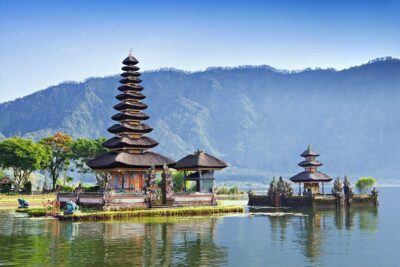
Full-Day Tour to Water Temples and UNESCO Rice Terraces in Bali
Read our review →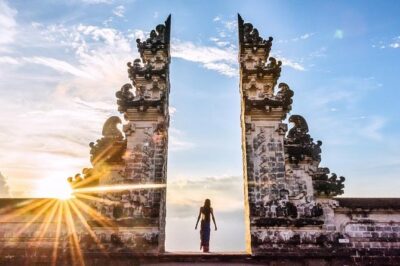
East Bali Tour: Gate of Heaven, Water Palace, Sleeping Gajah
Read our review →
Borobudur Sunrise from setumbu Hill , Merapi Volcano & Prambanan Full Day Tour
Read our review →

Borobudur Temple Climb To The Top & Prambanan Temple – 1 day tour
Read our review →
Ubud Tour with Monkey Forest Waterfalls Temples and More
Read our review →Browse the lists this tour appears in