
Reviewed · HIKING & TREKKING
Rinjani trekking 2D 1N RIM
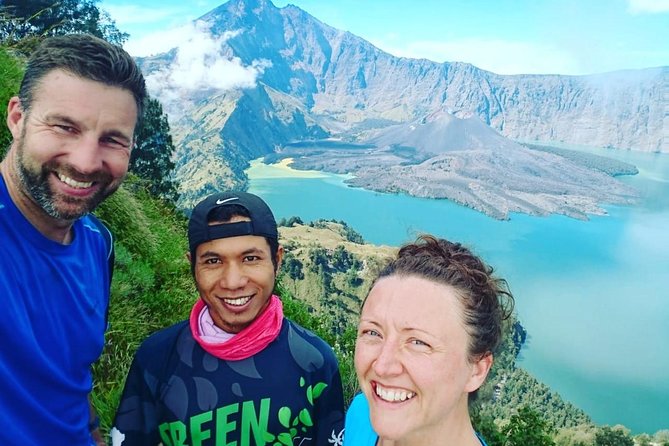
Rinjani’s Senaru crater rim gives you the volcano’s big view without sending you to the summit. After a full day climbing through forest and open savanna, you camp at 2,641 meters with sunset views toward the Gilis and Bali’s Mount Agung, then walk back down the next morning.
I like two things here: the private format lets your group set the pace, and the package removes much of the usual mountain logistics. Food, drinks, tent, sleeping bag, guide, porter, and transfers are covered. Guides including Dana, Adi, Yun, and Sri have earned praise for patience and close attention to pace.
The catch is simple: this is not a soft nature walk. The climb is steep and stony in places, the descent takes five to six hours, and you must bring key personal gear, including a headlamp, proper shoes, and warm clothing.
Key points worth knowing
- Senaru gives you a forest-to-crater-rim route: The trail begins among coffee, bamboo, and village plants before entering tropical forest and later opening onto savanna.
- The campsite sits at 2,641 meters: You sleep beside the crater with views of Segara Anak Lake, Rinjani’s summit, the Gilis, and Mount Agung.
- The package is unusually well supplied: Meals, snacks, bottled water, coffee or tea, camping equipment, a local guide, porter, and transfers are included.
- The private tour helps with pacing: Your group can stop when needed rather than match a large party.
- The descent is long but avoids a second summit day: You return to Senaru after sunrise instead of climbing to Rinjani’s 3,726-meter summit.
- Pack a headlamp and good shoes: These are not included, and the upper trail is stony and steep.
What the $205 price really covers
At $205, this is a useful package for anyone who wants Rinjani handled as one organized trip rather than piecing together transport, meals, camping gear, and a guide. You are paying for two days in the mountains, an overnight camp, food and drinks, a local guide, porter support, equipment, pickup, and the return transfer.
That matters on Rinjani. A tent, sleeping bag, sleeping mat, camping pillow, camping table and chair, and toilet tent are not items most visitors carry around Lombok. Here, they are supplied. Your meals include breakfast, lunch, dinner, snacks, bottled water, coffee, and tea, so you do not need to build a separate food budget into the trip.
The value is strongest if you are arriving without camping equipment or if you want a private group. A private trip normally costs more than joining a large shared departure, but it gives you room to set a slower pace, take breaks, and deal with tired legs without holding up strangers.
Read the baggage details carefully. A local porter is included, but an extra porter for your own luggage is listed at $22 per day. That is separate from the porter support attached to the package. You should also budget for tips, since tips for the guide and porter are not included.
More Hiking Tours in Lombok
- 2D1N Senaru Crater Rim Trekking
★ 5.0 · 178 reviews - Rinjani Trekking 3D2N Summit
★ 4.5 · 85 reviews - 3D/2N Rinjani trekking summit,lake and hot springs.
★ 5.0 · 85 reviews
Starting in Senaru at 7:30 or 8:00
The trek begins at the Rinjani Trekking Centre in Senaru, with registration at the village starting point. The stated meeting time is 7:00 a.m., while the walking portion is described as beginning around 7:30 to 8:00 a.m. Confirm the exact pickup and walking time when you book.
The first half-hour is a pleasant warm-up through open ground. You pass coffee trees, bamboo, and other plants grown by people in Senaru. This section gives you a look at the village edge before the trail enters the forest.
After roughly 30 minutes, the route reaches the tropical rainforest. Shade helps, but the air can feel humid. The trail climbs steadily, and you may hear or see black and brown monkeys among the trees. Keep small bags close, since monkeys are particularly active around the upper rest areas.
The forest is the best part of the climb for anyone who prefers a cooler, more sheltered path. It is also where the day can feel deceptively easy. The trees block the wider views, so you are judging progress by your legs rather than by a distant rim. Take the offered breaks seriously and drink before you feel thirsty.
Pos 2 at 1,500 meters: a useful first rest
After about three hours of walking, you reach Pos 2, also called Montong Satas, at approximately 1,500 meters. This is a proper recovery stop rather than a quick photo pause.
The guide and porters prepare soft drinks, crackers, and fresh fruit such as banana and pineapple. That small food service is valuable on a warm climb. The fruit provides an easy source of energy, and the pause gives you time to settle your breathing before the next section.
You should keep your day pack with you at rest stops. There are monkeys near parts of the route, and the instructions specifically warn that they may take small backpacks. Do not leave snacks or loose items unattended.
From Pos 2, you continue through the forest for about two hours toward Pos 3. Local strawberries may grow beside the trail in June, July, and August. This is a seasonal detail, not a guaranteed stop, but it adds interest to what would otherwise be a long uphill stretch under the trees.
Pos 3 at 2,000 meters: lunch and the last forest climb
Pos 3, known as Mondokan Lokak, sits around 2,000 meters. The porters prepare lunch here, along with more fresh fruit, biscuits, and snacks. The planned rest is about an hour and a half, which gives you a chance to eat properly before the harder final section.
This is an important point in the day. From here, the route leaves much of the forest and enters more open country. You lose the tree shade, but the views begin to expand.
The route from Pos 3 to the crater rim takes about two to three hours, depending on your pace and stops. The trail becomes steeper and stonier. A short section after Mondokan Lokak leads out of the rainforest, followed by savanna and open hills.
At Cemara Lima, you can stop and look back toward Senaru. The view reaches across about 40 percent of the route toward the village, a useful reminder of how much height you have gained. The exposed trail also means stronger sun, more wind, and less protection. Sunscreen, a hat, sunglasses, and water are not optional extras here.
A completely different kind of day out in Lombok:
- Anggrek Putih Lombok Cooking Class
★ 5.0 · 253 reviews - Day Trip 5 Secret Gilis : Layar, Rengit, Nanggu, Tangkong, Kedis
★ 5.0 · 192 reviews - Lombok Private Customize Tour
★ 4.5 · 144 reviews - Mount Rinjani 2 Days 1 Night Senaru Crater Rim
★ 5.0 · 131 reviews
Reaching the 2,641-meter Senaru rim
The final climb to Pelawangan 1 Senaru Crater Rim is the day’s real test. It is steep in places and covered with loose or uneven stone. Your guide can adjust the pace because this is a private tour, but you still need moderate physical fitness.
Reaching the rim changes the experience at once. The enclosed forest gives way to a wide view over the crater, Segara Anak Lake, the peak of Rinjani at 3,726 meters, and the surrounding ridges. The campsite is near this viewpoint, so you do not need to climb farther to earn the main reward.
The sunset is the headline moment. From the rim, you can look toward the three Gili islands and Mount Agung in Bali as the light fades. The exact colors depend on weather and cloud, but the position gives you a memorable evening view over Lombok and the sea.
You may also see smoke rising through a hole in the newer volcano within Segara Anak Lake. This volcanic detail helps explain why Rinjani feels like more than a mountain walk. It is a broad volcanic system with a crater lake, an active-looking inner cone, and a summit above it all.
The camp includes a tent, sleeping bag, sleeping mat, camping pillow, and a toilet tent. A table and chair are also supplied. You eat dinner at the camp and sleep under the stars if the sky is clear. At this altitude, nights can be cold, so bring a windproof jacket and warm trekking clothes rather than relying only on the supplied sleeping bag.
Sunrise before the five to six-hour descent
The second morning begins with breakfast and sunrise near the rim. This is your chance to see the lake and surrounding peaks in clearer morning light and take photographs before the return walk.
The way down to Senaru village takes about five to six hours. That sounds easier than the climb, but long descents can be hard on knees and ankles. Loose stone and steep sections require careful footing. Trekking poles are optional, but they may help if you already use them.
You should carry a small day pack for personal items. The tour supplies group camping equipment, but you still need to manage your own essentials, including toiletries, sun protection, clothing, camera, and water for the day.
The group is expected to reach the Rinjani Trekking Centre around 12:30 to 1:00 p.m. A private car then takes you to your next destination. Since the activity ends back at the meeting point, confirm where the transfer will leave you if you have onward plans elsewhere on Lombok.
Food, porters, and the human side of the trek
The food is one of the strongest practical features of this trip. You receive snacks and fruit on the climb, lunch at Pos 3, dinner at the rim camp, and breakfast before descending. The supply includes drinks, bottled water, coffee, and tea.
That level of food support can make a real difference after several hours uphill. It also means you can pack lighter, though you should still bring personal snacks if you have specific dietary needs. No special dietary arrangements are provided in the information supplied, so ask before departure if that matters to you.
The porters carry the camping equipment and help establish the camp. Guides named in the feedback include Dana, Adi, Yun, Ubang, and Sri. The recurring strengths are patient pacing, attentiveness when someone feels unwell, friendly support, and good organization.
One particularly practical point is that a guide may do more than lead the route. The guide can watch your pace, help you manage breaks, and keep the group moving safely through the steep sections. The private format makes that support more useful because the day is not built around a large mixed group.
Green Rinjani also provides pickup and transfers. Several bookings include an overnight stay at the Green Rinjani guesthouse before the hike, described as clean, comfortable, and equipped with hot water. Confirm exactly what your own booking includes, since the formal package details center on the trek, camping, meals, and transfers.
What you must bring
The supplied equipment is generous, but it does not replace your personal trekking kit. Bring:
- A headlamp or hand torch
- Trekking or hiking shoes
- Long trekking trousers
- A windproof jacket and warm layers
- A small day pack
- Sunscreen, hat, and sunglasses
- Insect repellent
- Toiletries and a small towel
- Two or three T-shirts
- Shorts if useful
- Muscle balm or spray if you normally use it
- Camera or phone
A swimsuit, sandals, trekking poles, binoculars, and fishing gear are listed as optional items. You should not treat ordinary casual shoes as a safe substitute for trekking shoes on the stony upper trail.
The tour does not include a headlamp, trekking shoes, trekking jacket, long trousers, or a small backpack. These omissions are easy to overlook because the camping equipment is included. Pack the headlamp even if you expect to finish most walking in daylight. It is essential personal equipment for a mountain camp.
Who should book this route
This trip suits you if you want Rinjani’s crater views and an overnight mountain camp without attempting the summit. It also works well for a private group that wants to stop often, walk at its own pace, and share the experience with its own guide and porters.
You need a moderate fitness level and the ability to walk uphill for much of the first day, followed by a long descent. The route is described as relatively gentle compared with harder Rinjani options, but the words should not fool you. The elevation gain, steep upper trail, exposed savanna, and five to six-hour return make this a demanding two-day outing.
It may not suit you if you want a relaxed sightseeing excursion, dislike basic camping, or need a short walk. The toilet tent and mountain camp are practical, not luxurious. Weather can also affect the views, so the sunset over the Gilis and Mount Agung is a hoped-for reward rather than a promise.
Children receive a special rate only when sharing with two paying adults. The supplied information does not give a minimum age, so ask the operator before booking for a child.
My verdict on Green Rinjani’s 2D1N Senaru trek
I would choose this trip if your main goal is the crater rim, the sunset, and a manageable introduction to Rinjani rather than the summit. The $205 price makes sense when you value the included transport, food, camping equipment, guide, porter, and private pacing.
Book it if you can handle a steep first day, a cold night, and a long descent. Pack the right shoes, headlamp, trousers, warm jacket, and small day pack, then confirm pickup time, overnight accommodation, and any luggage porter before departure.
Skip it if you are looking for a gentle walk or a hotel-style night. For fit visitors who want a strong mountain experience with a well-supported camp and no summit push, this is a clear and practical way to see Rinjani.
FAQ
How long is the Rinjani trek?
The experience lasts approximately two days and one night. Day one goes from Senaru to the crater rim, and day two returns to Senaru village.
Where does the trek start?
The trek starts in Senaru village at the Rinjani Trekking Centre. The listed meeting location is Lombok, West Nusa Tenggara.
What time does the activity start?
The stated start time is 7:00 a.m. The walking portion is described as beginning around 7:30 to 8:00 a.m.
How high is the crater rim campsite?
The Senaru crater rim campsite is approximately 2,641 meters above sea level.
Is the summit of Rinjani included?
No. This experience goes to the Senaru crater rim and back. Rinjani’s summit is listed at 3,726 meters, but the summit climb is not part of this two-day route.
What camping equipment is included?
The package includes a tent, sleeping bag, camping pillow, camping chair and table, toilet tent, and sleeping mat.
Are meals and drinks included?
Yes. The package includes breakfast, lunch, dinner, bottled water, coffee or tea, snacks, and other food and drinks during the trek.
Is a guide included?
Yes. A local guide and porter are included. An extra porter for your own luggage costs $22 per day.
What should I bring myself?
Bring a headlamp or flashlight, trekking shoes, long trousers, a trekking jacket or windproof jacket, a small backpack, toiletries, sun protection, insect repellent, and personal clothing.
Can I cancel for a full refund?
You can cancel up to 24 hours before the experience start time for a full refund. Cancellations or changes made less than 24 hours before the start time are not accepted for a refund.
More Two Day Trips in Lombok
- Mount Rinjan 2Days Summit Full Sunrise View Point 3726m
★ 5.0 · 96 reviews - Mt. Rinjani 2D1N Senaru Crater Rim
★ 5.0 · 75 reviews - Trekking Mt. Rinjani 2 Days 1 Night Senaru Crater Rim
★ 5.0 · 55 reviews - Mount Rinjani Hiking to summit( 2 Days 1 Night )
★ 5.0 · 50 reviews
Just added around Lombok
- Blue Water Express Boat Transfer From Serangan Or Padang Bai To Lombok Or Vice Versa★ 4.5 · 49 reviews
- Trekking Rinjani Volcano To Crater Rim Senaru 2D-1N Private – Syam Trekker★ 5.0 · 45 reviews
- Waterfall Tour And Sasak Traditional Tour★ 5.0 · 3 reviews
- Full-Day Private Trip to South Lombok★ 5.0 · 15 reviews
- MODERATE HIKING: 2D/1N Crater Rim Senaru | Rinjani Samalas Tour★ 5.0 · 8 reviews
- Trekking Rinjani Mountain Summit 2 Days 1 Night – Em Adventure★ 5.0 · 42 reviews
- Trekking Rinjani 1 Day Trek Senaru Crater Rim★ 5.0 · 3 reviews
- Fantastic trip to Sindang Gile & Tiu Kelep Waterfall★ 4.5 · 3 reviews
Hiking & Trekking, compared.
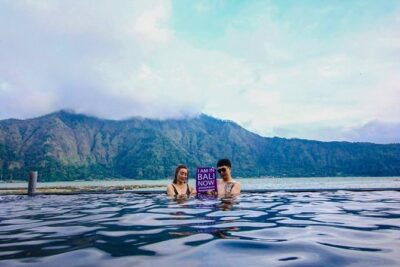
Mount Batur Sunrise Hike and Natural Hot Spring Option
Read our review →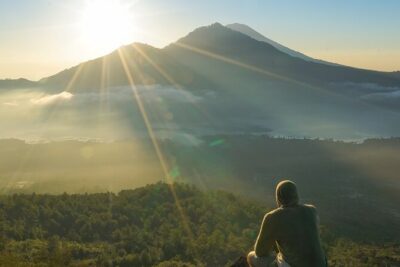
Mount Batur Sunrise Trekking Private All Inclusive
Read our review →
Mount Batur Sunrise Trekking Private Tour with Breakfast and Hotel Transfer
Read our review →
Mount Batur Sunrise Trekking (Private Tour and Breakfast at Restaurant)
Read our review →
Private Tour Mount Batur Sunrise Trekking and Natural Hot Spring
Read our review →
Private Tour : Mount Batur Sunrise Trekking With Private Guide
Read our review →Browse the lists this tour appears in