
Reviewed · TEMPLE TOURS
Ubud: Monkey Forest, Rice Terraces & Sacred Temples
Ubud’s appeal comes into focus on this full-day route: mossy temple stones, free-roaming macaques, bright rice fields, and a quiet purification temple. I like the mix of famous sights and calmer places, especially Mengening Temple, where you make a canang sari offering and see how Balinese Hindu practice fits into daily life. I also like that hotel pickup, transport, entrance fees, and water are covered.
The main drawback is the length. You are out for about 12 hours, with plenty of time in the vehicle between stops. The group can reach 20 people, so this is not a private, slow-moving temple visit. Still, the careful guides and drivers, including names such as Ariana, Laras, Dan, Haris, and Gunawan, add real value.
Key points at a glance

- Goa Gajah first: Explore the carved Elephant Cave, old bathing pools, and temple remains before the day gets too far along.
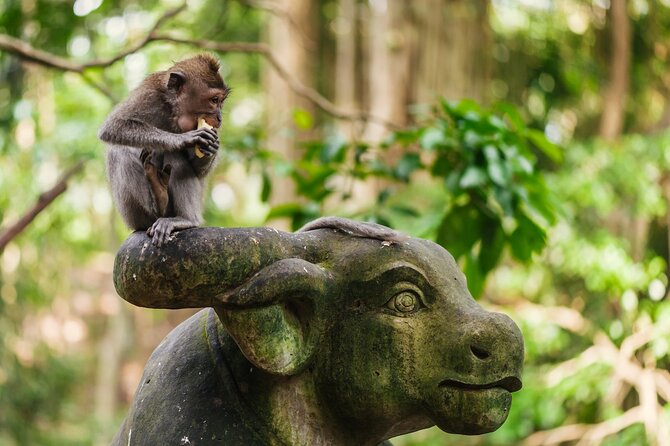
- Macaques in a sacred forest: Walk among free-roaming monkeys, stone carvings, and moss-covered temple buildings at Ubud Monkey Forest.
- Classic Tegalalang views: See the famous stepped rice fields from a viewpoint and allow time for photos.
- A quieter temple finish: Mengening Temple brings a more peaceful mood and includes a hands-on canang sari offering workshop.
- Useful all-in pricing: Hotel pickup, an air-conditioned vehicle, entrance fees, bottled water, and an English-speaking guide are included.
- A long but efficient day: The 9:30 a.m. start and late return let you cover several major Ubud sights without arranging separate transport.
Why this Ubud day works
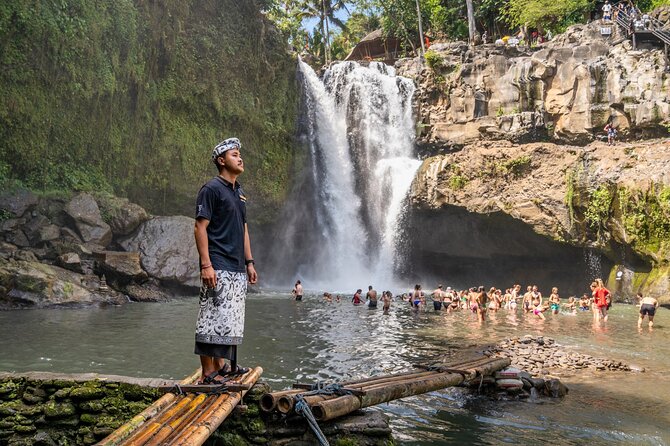
This is a broad introduction to Ubud rather than a single-theme outing. In one day, you see archaeology, Balinese royal architecture, jungle temples, rice farming, Hindu offerings, and the famous macaques that have become part of Ubud’s identity.
I like that the route does not stop at the postcard views. Tegalalang is the visual showpiece, but Mengening Temple gives the day more meaning. The offering workshop helps explain why small woven trays filled with flowers and other items appear outside homes, shops, and shrines across Bali.
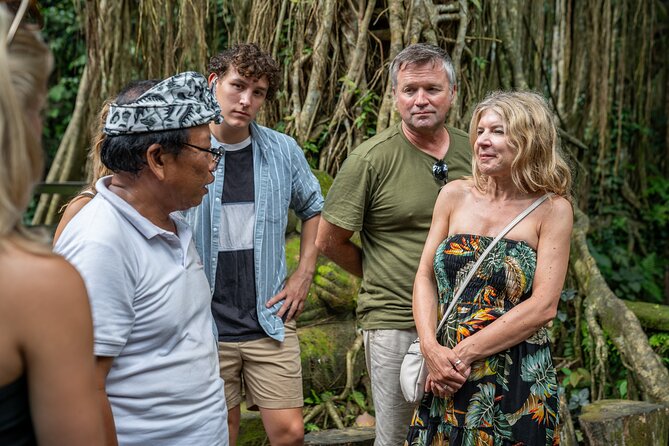
You also get a guide beside you for much of the day. That matters at places such as Goa Gajah and Mengening, where the stones and rituals are easier to understand with context. Guides are described as patient, friendly, and clear in English. Ariana was praised for explaining what would happen at each stop, while Laras received particular credit for detailed explanations and careful attention.
The format suits you if you want a lot in one day and do not want to arrange drivers, tickets, and route planning yourself. It is less suitable if you prefer to linger at one temple, avoid a set schedule, or spend most of the day walking rather than riding.
More Rice Terrace Tours in Ubud
- Ubud: Monkey Forest, Jungle Swing, Rice Terrace, and Water Temple
★ 5.0 · 7,160 reviews - Ubud: Downhill Cycling with Volcano, Rice Terraces and Meal
★ 5.0 · 536 reviews - Ubud eBikes Tour to Tegallalang Rice Terrace
★ 5.0 · 507 reviews
Starting with Goa Gajah and its carved entrance
Hotel pickup begins around 9:30 a.m., followed by a drive toward Ubud. The first major stop is Goa Gajah, known as the Elephant Cave. The name can be misleading because the attraction is less about elephants and more about a dramatic carved cave entrance, temple grounds, bathing pools, and old stone remains.
Give yourself time to look closely at the entrance. Its carved face and surrounding figures create an immediate sense of place, but the site is not large enough to require a long hike. The guide can help connect the visible remains with Balinese religious use and the site’s archaeological importance.
The included visit lasts about 1 hour and 30 minutes. That is generous for seeing the cave area, pools, courtyards, and surrounding ruins without racing. It also sets a useful tone for the rest of the day: this is not just a photo stop.
Goa Gajah can feel more formal than the Monkey Forest because you are visiting a religious site with old structures rather than a large wooded park. Wear clothing suitable for temples and follow your guide’s instructions about where to walk and how to behave. The tour includes admission, so you do not need to handle a separate ticket at the entrance.
Walking through the Sacred Monkey Forest
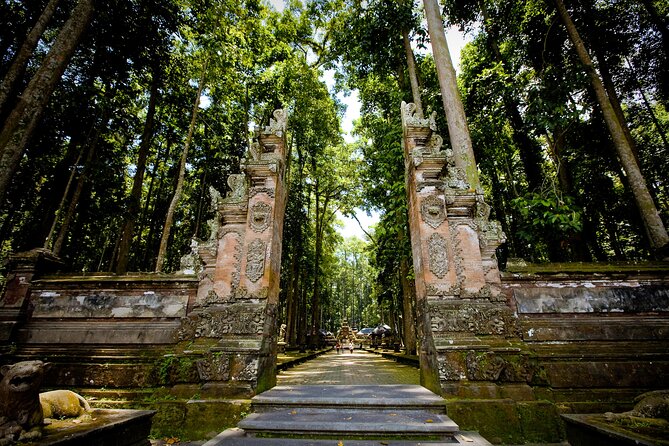
Next comes the Sacred Monkey Forest Sanctuary, one of Ubud’s best-known attractions. The setting is a leafy jungle with moss-covered temple buildings, ancient stone carvings, and hundreds of macaques moving through the grounds.
This is the most playful stop, but it is still a religious site. The monkeys are not in cages, and they are part of the setting rather than a staged animal show. You may see them along the paths, near temple structures, or moving through the trees. The combination of animals and weathered stone makes this a particularly memorable part of the day.
Your guide helps you make sense of the place and keeps the visit moving. The scheduled time is about 1 hour and 30 minutes, enough to walk through the sanctuary without turning the stop into an exhausting trek. You should stay alert around the macaques and follow on-site instructions. Free-roaming animals can be unpredictable, and the purpose of the visit is to observe them respectfully.
I would not treat this as a quiet nature walk. The monkeys are the main attraction, and the sanctuary is one of the busier names on the Ubud sightseeing circuit. If you want photographs, your guide can help you find good moments, but you should keep your attention on your belongings and on the animals around you.
The strongest part is the setting. You are not simply looking at monkeys in an open enclosure. You are walking through a sacred woodland filled with temple architecture and carved stone, which gives the visit a distinctly Balinese character.
A short look at Ubud Palace
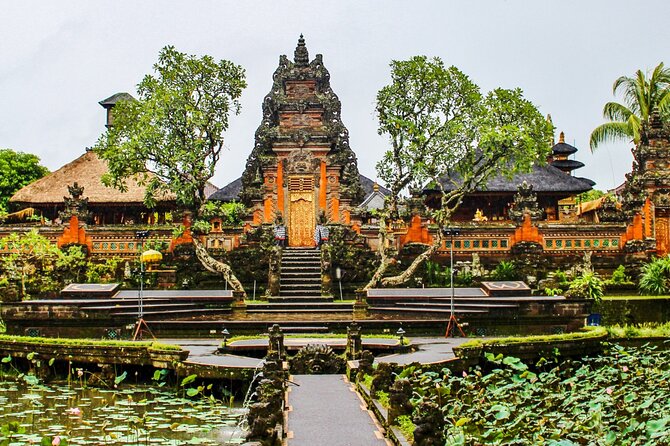
The route then moves to Ubud Palace, a compact but important landmark in the center of town. It is associated with Ubud’s royal family and shows traditional Balinese design through gateways, courtyards, carved details, and decorative stonework.
This stop provides a change of scale. After the forest paths and temple ruins, you get a closer look at formal architecture. The palace visit is useful for understanding Ubud as more than a rural setting. It is also a cultural center with a long royal and artistic identity.
The planned time is about 1 hour and 30 minutes, although the experience here is more about observing the courtyards and design than covering a huge complex. Your guide can point out features that are easy to miss if you walk through quickly.
Do not expect a vast palace with many furnished rooms. The appeal is in the gateways, open courtyards, and carved work. This is a good stop for you if you enjoy architectural details and want a little context for Ubud’s place in Balinese culture.
More Temple Tours in Ubud
- Ubud Tour with Monkey Forest Waterfalls Temples and More
★ 5.0 · 495 reviews - Ubud Top Attractions: Waterfalls, Temples and Rice Terraces
★ 5.0 · 460 reviews - Half-Day Ubud Electric Cycling Tour to Tirta Empul Water Temple
★ 5.0 · 315 reviews - Gorilla Cave ATV Bali Ubud, Monkey Forest, Temple, and Lunch
★ 5.0 · 295 reviews
Taking in Tegalalang’s rice terraces
In the early afternoon, the tour reaches Tegalalang Rice Terrace. From the viewpoint, you see bright green paddies cut into the hillside in layered bands. This is the most instantly recognizable scenery on the route and probably the place where you will take the most photographs.
The terraces show how farming and water management shape the countryside around Ubud. They are not just decorative fields. They are working agricultural land, and the stepped form reflects the slopes of the area.
The visit lasts about 1 hour and 30 minutes. The supplied details emphasize the viewpoint, so you should think of this as a scenic stop rather than a long agricultural walk. That distinction matters. If you want a full trek through the paddies, you may find the visit more limited than expected. If you want an easy way to see the classic Ubud view without organizing a separate driver, it works well.
Tegalalang is also a good reason to appreciate the air-conditioned vehicle. Bali’s heat can make a full sightseeing day tiring, and the short rides between stops give you time to cool off. Bottled water is included, but you should still bring sun protection and comfortable shoes.
The terraces are a highlight, but they are also the most commercial and heavily photographed part of the day. The more peaceful mood arrives later at Mengening Temple.
Making an offering at Mengening Temple
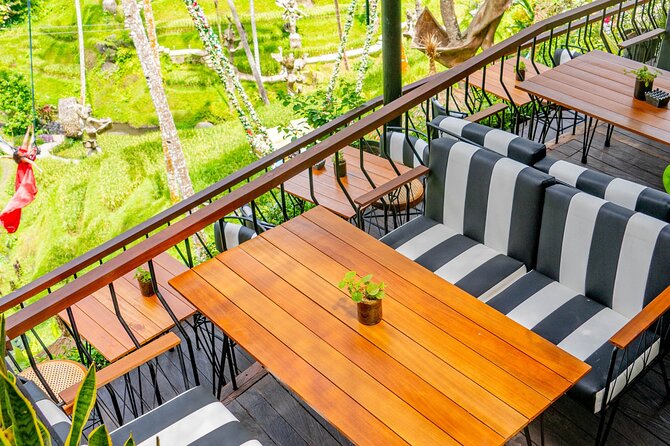
The final major stop is Mengening Temple, a quieter purification temple in a jungle setting. This is where the day shifts from sightseeing toward participation.
The attraction is not only the temple itself. You also take part in an offering workshop and learn how to make a canang sari. These small offerings are part of everyday Balinese Hindu life, and the activity gives you a direct way to understand a practice you will see throughout Bali.
The workshop is valuable because it avoids treating Balinese culture as something you only observe from behind a camera. You handle the materials, follow instructions, and learn what the offering means. The guide can explain the purpose in plain terms and help you understand why offerings appear in such ordinary places as doorways and family compounds.
The visit is scheduled for about two hours, making it the longest stop. That extra time should help the temple feel less rushed than the earlier attractions. Mengening is also a useful counterpoint to Monkey Forest and Tegalalang. Instead of noise, animals, and wide views, you get a slower setting surrounded by jungle.
Keep in mind that this remains a sacred place, not a stage set. Dress respectfully and listen carefully to the instructions given by the guide. The exact nature of any temple activity can depend on local conditions, so you should approach the workshop as a cultural lesson rather than a performance.
For me, this is the stop that gives the tour its strongest identity. Plenty of Ubud outings can take you to a monkey sanctuary and a rice terrace. Fewer include a hands-on offering activity at a quieter temple.
The value of the included vehicle and guide
A full Ubud day is much easier when someone else handles the driving. The tour includes an air-conditioned vehicle, hotel pickup and drop-off, an English-speaking guide, entrance fees, and bottled water. That package removes several small costs and decisions that add up during a busy day.
The group size can reach 20 people. That is small enough to be more manageable than a large coach, but it is not the same as a private tour. You should expect a planned pace and some waiting when the group regathers.
The driver matters as much as the guide on a long Bali day. Past tours with this operator have been associated with drivers such as Juliantara, Nengah, Mariyasa, and Gus Alit. The driving received praise for patience, friendly service, and safe handling of busy roads. You may not have one of those particular people, but the repeated emphasis on the guide and driver team is worth noting.
Guides including Dan, Laras, Ariana, Haris, and Gunawan have been singled out for cultural explanations, patience, and practical help. Gunawan, for example, was remembered for helping with a lost mouth retainer, a small detail that shows why a responsive guide can matter when a long day takes an unexpected turn.
Is $69 a fair price?
At $69 per person, this is good value if you intend to visit most of these places anyway. Five major attractions are combined with transport, hotel pickup and drop-off, an English-speaking guide, entrance fees, water, and the offering workshop.
The value is strongest for a first visit to Ubud. You avoid paying separate entrance fees, negotiating with drivers, and working out the order of stops. You also get explanations at temples where a quick independent visit might leave you with little context.
The price is less compelling if you are staying close to Ubud, already have a private driver, or want to choose your own timing. A private arrangement gives you more control, though it may cost more once tickets and guiding are added.
The tour is often booked around 38 days ahead, so it is sensible to reserve early if your dates are fixed. Free cancellation is available up to 24 hours before the start time. After that point, the paid amount is not refunded, and changes are not accepted within 24 hours.
Who should book this day?
I would choose this tour for a first-time Ubud visit, especially if you want a broad introduction in one day. It suits couples, families, and small groups who value a guide’s explanations and prefer included transport over independent planning.
It is also a good choice if you want both famous sights and a less obvious cultural activity. The Monkey Forest and Tegalalang provide the familiar Bali images, while Goa Gajah and Mengening add archaeology and living religious practice.
You should think twice if your priority is solitude. Monkey Forest and Tegalalang are major attractions, and a group of up to 20 people cannot move at the pace of a private guide. You should also be ready for a long day, several vehicle journeys, and a fixed sequence of stops.
Most people can participate, according to the tour details, but you should still consider your comfort with walking, heat, temple visits, and a full schedule. Comfortable clothing, respectful temple attire, sun protection, and water are sensible choices.
Should you book the Ubud Monkey Forest and temple tour?
Book it if you want an efficient, well-rounded day with strong cultural explanation and few extra costs. The best parts are the contrast between the macaques and old stone temples, the clear views at Tegalalang, and the canang sari workshop at Mengening.
Skip it if you want a private pace, extensive time in the rice fields, or a quiet day with little driving. For most first visits, though, the combination is hard to beat at this price. You see Ubud’s signature sights, learn how Balinese offerings fit into daily life, and return to your hotel without having to arrange the details yourself.
FAQ
What time does the tour start?
The listed start time is 9:30 a.m. Hotel pickup is offered, with the exact pickup arrangement provided at booking.
How long does the experience last?
The tour lasts approximately 12 hours, returning in the late afternoon or early evening.
What attractions are included?
The route includes Goa Gajah, Sacred Monkey Forest Sanctuary, Ubud Palace, Tegalalang Rice Terrace, and Mengening Temple.
Is hotel transportation included?
Yes. Hotel pickup and drop-off are included, along with an air-conditioned vehicle.
Is the canang sari workshop included?
Yes. The offering workshop is included, and you learn about the meaning of canang sari in Balinese daily life.
What is included in the price?
The price includes the vehicle, hotel pickup and drop-off, an English-speaking guide, entrance fees, bottled water, and the offering workshop. Personal expenses and optional gratuities are not included.
More Monkey Forest Tours in Ubud
- Tetebatu Walking Tour – Rice Terraces, Waterfall & Monkey Forest
★ 5.0 · 349 reviews - Bali ATV Quad Adventure – Ubud Monkey Forest and Waterfall
★ 5.0 · 261 reviews - Ubud Monkey Forest Silver Class – Craft Your Own Silver Jewelry
★ 5.0 · 254 reviews - Ubud Tour with Swing, Temple, Monkey Forest, and Waterfall
★ 5.0 · 224 reviews
Just added around Ubud
- Ubud private tours★ 5.0 · 4 reviews
- Ubud Village, Tegalalang Rice Terrace Swing, Tirta Empul Temple and Waterfafall★ 5.0 · 7 reviews
- Ubud Instagram: Waterfall Tours★ 5.0 · 57 reviews
- Ubud Waterfalls and Rice Terraces Private Day Tour★ 5.0 · 12 reviews
- Bali Half Day-Tour: Ubud Night Trip Packages★ 5.0 · 5 reviews
- Ubud VW Safari Bali Tour – Volkswagen Classic Car Trip★ 5.0 · 21 reviews
- Hidden Ubud: Waterfalls & Sacred Temples★ 5.0 · 6 reviews
- Ubud Full Day Tour Waterfall Monkey Forest Rice Terrace★ 5.0 · 4 reviews
Temple Tours, compared.
Ubud: Monkey Forest, Jungle Swing, Rice Terrace, and Water Temple
Read our review →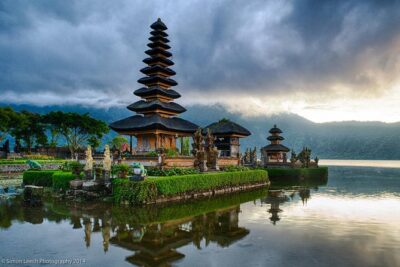
Tanah Lot and North Bali Tour: Scenic Journey
Read our review →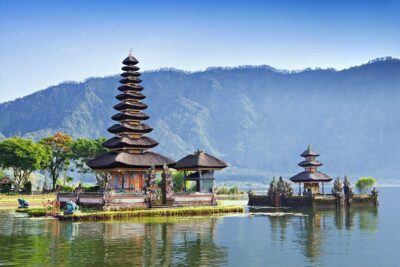
Full-Day Tour to Water Temples and UNESCO Rice Terraces in Bali
Read our review →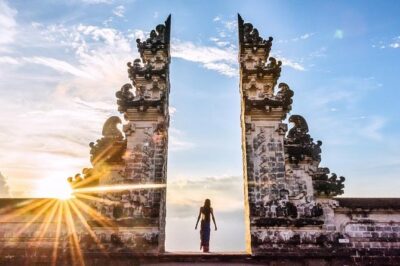
East Bali Tour: Gate of Heaven, Water Palace, Sleeping Gajah
Read our review →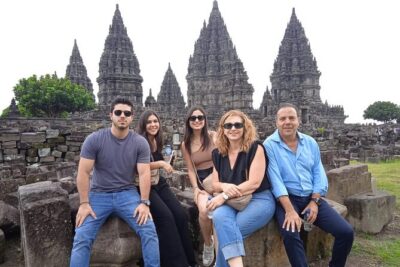
Borobudur Sunrise from setumbu Hill , Merapi Volcano & Prambanan Full Day Tour
Read our review →
Borobudur Temple Climb To The Top & Prambanan Temple – 1 day tour
Read our review →
Ubud Tour with Monkey Forest Waterfalls Temples and More
Read our review →Browse the lists this tour appears in