
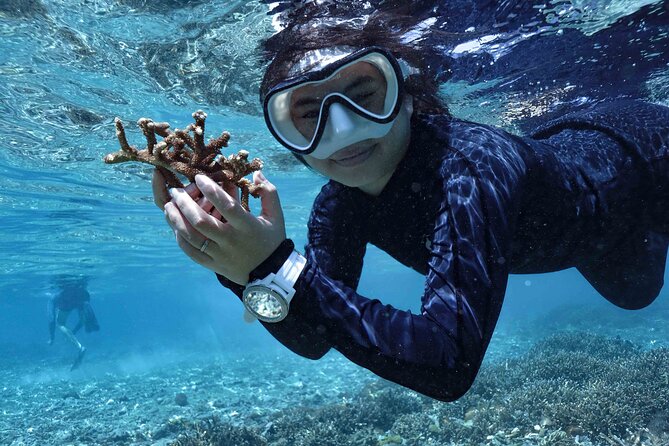
Reviewed · SNORKELING
Reef Rehabilitation Course and Snorkeling
The most unusual part of this Nusa Penida outing is the amount of hands-on work. You do not simply hear about coral protection or pay for a symbolic adoption. You learn how fragments are prepared, tie them to ropes, and plant 70 corals across 4 square meters of reef.
I like two things right away: the small maximum of 10 people keeps the conservation work personal, and the program gives you a real task rather than a quick photo stop. I also like that lunch, snorkeling equipment, and restoration materials are included. The main consideration is physical: you need to swim comfortably and have moderate fitness for several hours around the water.
Key details before you book
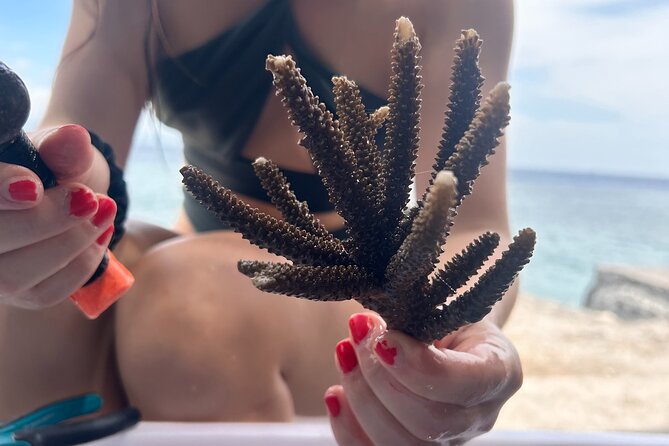
- Plant 70 corals yourself: Each participant helps prepare and place enough coral to cover about 4 square meters of reef.
- Visit a working nursery: You see how coral fragments are cultivated before helping harvest material for restoration.
- Three guided snorkeling experiences: The water time includes reef viewing, nursery work, and restoration activities.
- Meet the local team: Nyoman, Festi, and their colleagues connect reef care with local community life.
- Saturday adds a school visit: On Saturdays, the program includes English teaching and conservation work with local children.
- Six hours at one meeting point: The activity begins and ends at Ecotourism Nusa Penida in Ped, with lunch at Coral Cafe.
Why this is more than a standard snorkeling trip
Most reef excursions ask you to look, take a few photographs, and move on. This one asks you to work. That change matters. You leave knowing what coral restoration involves at a practical level, not just that reefs are important.
The course begins with a presentation on coral biology, reef value, and the ocean conditions that affect damaged ecosystems. The material is meant to give you enough background to understand the work that follows. You learn why coral fragments are cultivated, how a nursery supports restoration, and what happens before a piece is fixed to the seabed.
That foundation makes the later activities easier to appreciate. When you harvest coral fragments, prepare ropes, and attach the pieces, you can see the connection between classroom information and physical reef repair. The process is simple enough to follow, but it still requires care.
The small group size is one of the strongest features. With no more than 10 people, the staff can give direct help during the knot-tying and planting work. This is especially useful if you have never handled coral restoration materials before.
The tour is run by Ecotourism Nusa Penida, a local community operation with seven years of involvement in reef restoration. The emphasis is on local experience and practical conservation rather than a polished resort activity. That gives the day a more grounded feel.
More Snorkeling Trips in Bali
- Dolphin Watching Tour, Swimming with Dolphins and Snorkeling
★ 4.5 · 73 reviews - Bali ATV Quad Bike Adventure and Snorkeling Tour
★ 5.0 · 18 reviews - Snorkeling 4 Spot With Manta Bay Or Optional Land Trip
★ 5.0 · 14 reviews
Starting with coral biology and the nursery
Your first main lesson covers corals and their role in the wider ocean ecosystem. You learn how reefs support marine life and why damaged areas need careful repair. The presentation also covers ocean conditions, which helps explain why restoration is not simply a matter of placing coral anywhere underwater.
Next, you visit the coral nursery. This is an important stop because it shows the stage between coral collection and reef planting. You can see how fragments are cultivated and prepared before they are used in restoration.
The nursery also puts the project’s scale into perspective. Planting one coral may feel small, but a group of 10 people can handle as many as 700 corals during one session if everyone completes the planned amount. The stated individual target is 70 corals, covering roughly 4 square meters per person.
You should pay attention during this part of the course. The nursery visit is not just background information. It explains why the fragments are handled in a certain way and why the preparation work needs patience. The better you understand the process, the more meaningful the planting becomes later.
Snorkeling at the reef nursery
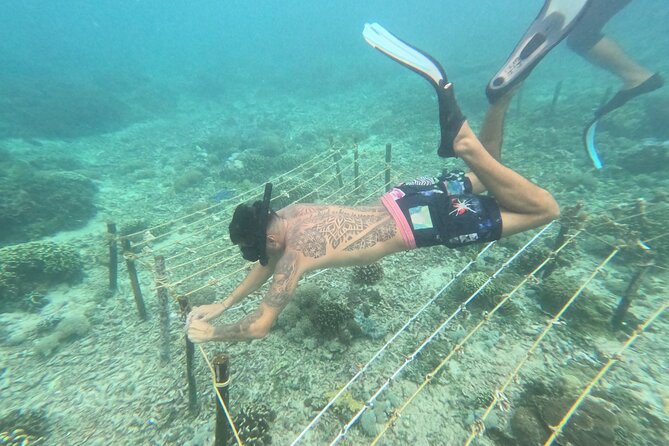
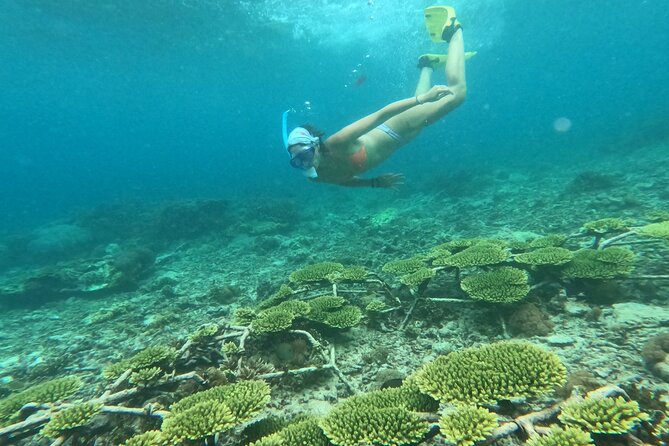
The first guided snorkeling sessions let you see the work from the water. Equipment use is included, so you do not need to arrange a separate mask and snorkel rental for the activity.
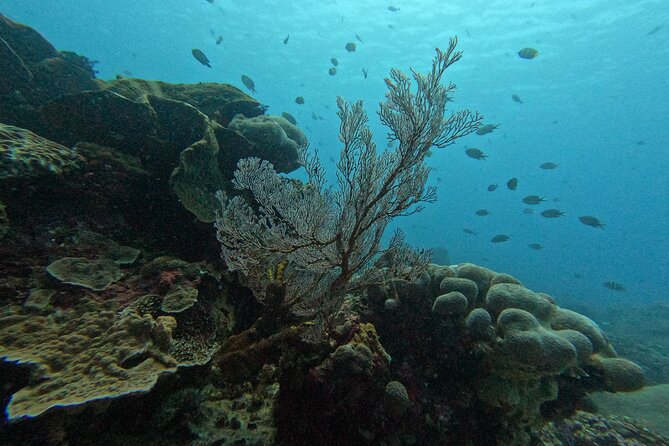
The snorkeling is tied to the conservation work rather than treated as a separate sightseeing stop. You may see the nursery area, observe how the coral is arranged, and get a clearer view of the setting where restoration takes place.
You need to be comfortable in the water. The activity is not designed for someone who cannot swim, and the day includes repeated time in the sea. A moderate fitness level is also required. That does not mean you need to be an athlete, but you should be ready for a physically active six-hour program.
The course combines three guided snorkeling experiences. Since the exact timing of each water session is not specified, expect the schedule to shift according to the teaching and restoration work. Bring the attitude of someone joining a field project, not someone expecting a tightly timed beach excursion.
Harvesting coral and preparing the ropes
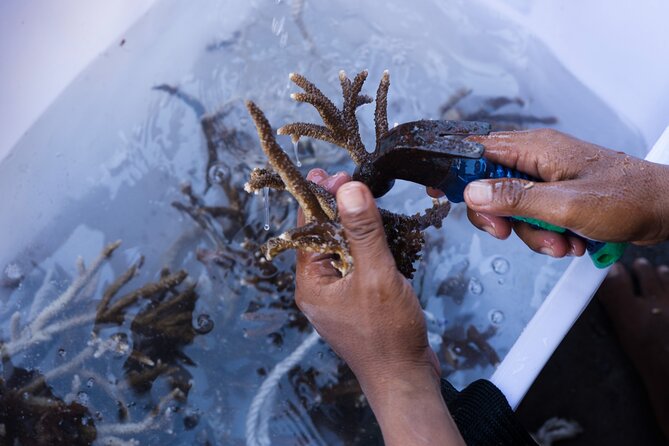
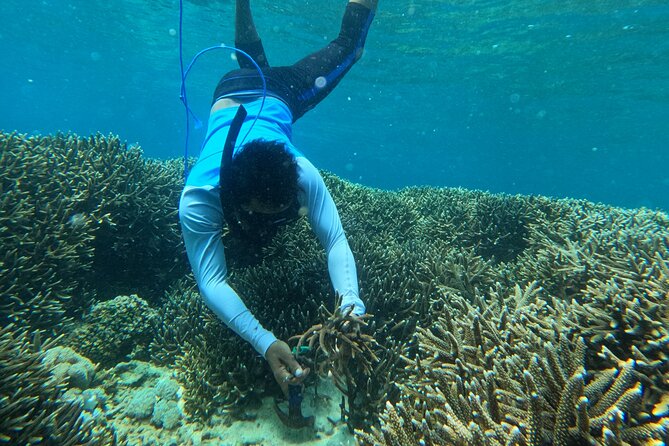
After seeing the nursery, you help harvest coral fragments for planting. This is where the course becomes especially hands-on. You are not only looking at a finished reef project. You are helping prepare the material that will be returned to the sea.
The next step is rope preparation. You learn to tie knots underwater, then use the collected fragments and prepared ropes for the restoration work. Knot tying may sound like a small part of the day, but it is a useful skill here because the coral must be secured properly.
The underwater knot lesson is also one of the more unusual elements. It gives the snorkeling sessions a clear purpose and adds a little challenge. You will need to stay calm, follow instructions, and work carefully rather than rush.
This part may be less comfortable for people who prefer passive sightseeing. Your hands are involved, and the work takes attention. That is also why the experience feels more substantial than a short conservation talk.
A completely different kind of day out in Bali:
- Bali Full-Day Traditional Village Sightseeing Trip All Inclusive
★ 5.0 · 3,069 reviews - ️ Bali Instagram Tour: The Most Famous Spots (Private & All-Inclusive)
★ 5.0 · 2,857 reviews - Full-Day Tour to Water Temples and UNESCO Rice Terraces in Bali
★ 5.0 · 2,539 reviews - ATV Quad Bike Through Tunnel and Waterfall in Bali
★ 5.0 · 2,098 reviews
Planting 70 corals on the reef
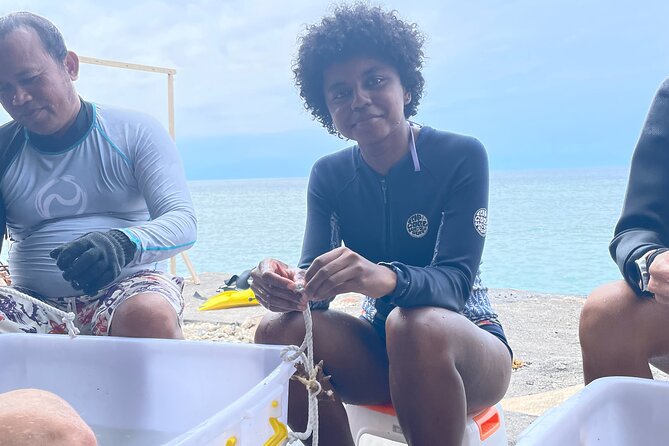
The main task is planting 70 corals per person. The stated result is approximately 4 square meters of restored reef for each participant. You prepare the fragments, secure them to the ropes, and then place them on the seabed.
The scale is worth considering before you book. Seventy pieces is a serious amount of work for one outing. It gives you a clear personal contribution, but it also means the day will not feel leisurely from start to finish.
The benefit is that you can understand the labor involved in reef repair. You see how a fragment moves from nursery cultivation to planting, and you take part in each stage. That makes the price easier to assess. At $62.61 per person, the experience includes education, equipment, lunch, materials, guided snorkeling, and direct conservation work.
The program presents this level of impact as something that would often cost much more through conventional nonprofit or coral-adoption programs. You should treat that as part of the provider’s value claim, but the included materials and hands-on format still make the price attractive for people who want more than a standard snorkeling outing.
Lunch at Coral Cafe
Lunch at Coral Cafe breaks up the water work and gives you time to rest. It is included in the price, which matters because the activity lasts about six hours.
A meal during a physically active day is practical, not just a pleasant extra. You will have already spent time learning, snorkeling, handling materials, and working with ropes. The break gives you a chance to recover before the final restoration tasks.
No specific menu is provided, so do not book this expecting a particular dish or dietary arrangement. If you have personal food requirements, ask the provider before the activity. Personal expenses are not included, so plan to pay for anything beyond the stated lunch.
Saturday school and community work
On Saturdays, the program visits a local school. You help teach English and take part in conservation activities such as beach cleanups with the children.
This changes the character of the day. Instead of focusing only on the reef, you see how the conservation effort connects with local education and community involvement. The school visit also gives you a chance to contribute something simple and useful away from the water.
A gift to the local children and school is included. The details of the gift are not specified, so you should not assume a particular item or donation format.
If you are choosing between dates, Saturday may appeal if the community side of the program matters to you. If your main goal is reef work, the core restoration course remains the central feature on other days as well.
How the $62.61 price holds up
The price is strong for a six-hour program that includes lunch, snorkeling equipment, restoration materials, and guided instruction. You also get a conservation activity with a stated target of 70 corals, rather than a short lecture followed by ordinary snorkeling.
The value depends on what you want from your day. If you want maximum free time in the water, this may not be the best choice. Much of the schedule involves learning, preparation, knots, and planting. If you want a meaningful task and a better understanding of reef repair, the price is easier to justify.
The group limit of 10 improves the value too. A small group gives the staff more room to guide each person through the process. It should also make the nursery and underwater work less crowded than a large commercial excursion.
The program is booked an average of 38 days in advance, so you should not assume that a last-minute place will be available. That advance-booking pattern is a useful warning for anyone with fixed dates in Bali.
Who will enjoy this experience most
I would choose this course if you want your snorkeling time to have a clear purpose. It suits people who care about marine conservation and are willing to work as part of the activity.
It is also a good fit for visitors who prefer local programs over large, generic excursions. The seven-year reef restoration effort and the community school activities give the day a strong connection to Nusa Penida.
You should be comfortable swimming, spending repeated periods in the water, and following instructions. Moderate fitness is required. The work may be demanding for anyone who has limited mobility or who wants a relaxed, dry land activity.
Families may find the Saturday school and beach cleanup appealing, but the available information does not give a minimum age or child-specific requirements. Ask the provider before booking for younger participants.
The course is less suitable if your priority is sightseeing alone, luxury transport, or a flexible schedule. The meeting point is Ecotourism Nusa PenidaBuyuk on Jalan Ped in Nusa Penida, and the activity returns there at the end. Transportation from another part of Bali is not listed as included.
Practical details for a smoother day
Confirmation is provided when you book, and the ticket is mobile, so you can keep the booking on your phone. The activity starts and ends at the same meeting point in Ped.
Bring personal items you may need beyond the included equipment and lunch. Personal expenses are not covered. Since the program involves snorkeling and underwater knot tying, leave enough time before the start to arrive ready rather than rushing in from another appointment.
Service animals are allowed. You should still confirm any details directly with the provider if you are traveling with one, since the activity includes time in the water and work around snorkeling equipment.
The cancellation policy is friendly but firm. You can receive a full refund if you cancel at least 24 hours before the local start time. Cancellations or changes made within 24 hours are not accepted for a refund.
Should you book the reef course?
Book it if you want to do more than admire Bali’s sea life. The strongest reasons are the direct reef work, the small group size, the nursery visit, and the chance to plant a clearly stated number of corals yourself.
I especially like that the experience does not stop at a donation or a printed certificate. You learn the process, handle the materials, tie the ropes, and help place the coral. Nyoman, Festi, and the local team make the day feel connected to both the reef and the community.
Skip it if you cannot swim comfortably, dislike hands-on tasks, or want a calm half-day with no fixed conservation work. For everyone else, $62.61 is a fair price for a six-hour activity that combines snorkeling, education, lunch, and a measurable restoration project.
FAQ
Where does the reef rehabilitation course start?
It starts at Ecotourism Nusa PenidaBuyuk on Jalan Ped, Nusa Penida, Klungkung Regency, Bali 80771, Indonesia.
Where does the activity end?
The activity ends back at the same meeting point where it begins.
How long does the experience last?
The course lasts approximately six hours.
How many people can join the activity?
The maximum group size is 10 travelers.
How many corals does each participant plant?
Each participant plants 70 corals, covering approximately 4 square meters of reef.
Is lunch included?
Yes. Lunch at Coral Cafe is included.
Is snorkeling equipment provided?
Yes. Snorkeling equipment and the materials needed for coral restoration are included.
Do I need to know how to swim?
Yes. You should be able to swim comfortably because the activity includes guided snorkeling and underwater restoration work.
Can I cancel for a full refund?
Yes. You can cancel at least 24 hours before the experience start time for a full refund. Cancellations or changes made less than 24 hours before the start time are not accepted for a refund.
Just added around Bali
- Bali Parasailing Adventure, Jet Ski, Banana Boat , Donat Boat, with Transport★ 5.0 · 11 reviews
- 1.5 Hours Bali ATV Quad Tour★ 5.0 · 8 reviews
- ATV Quad Bike Through Tunnel and Waterfall★ 5.0 · 3 reviews
- Bali Driver Recommendation★ 5.0 · 7 reviews
- Bali Cooking Class Experience with All Inclusive★ 5.0 · 12 reviews
- Bali Private Custom Tour★ 5.0 · 12 reviews
- Penglipuran Village Waterfall Swing Private Guided Tour★ 5.0 · 13 reviews
- Bali Sightseeing Car Hire with English-speaking Guide and Driver★ 5.0 · 24 reviews
Snorkeling, compared.

Nusa Penida by Private Boat – Snorkeling 4 spots, Swim with Mantas + Land Tour
Read our review →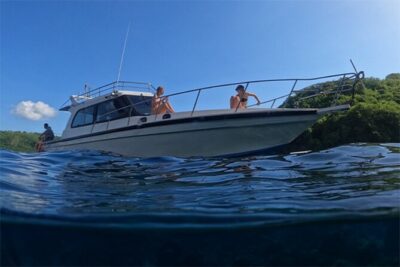
Nusa Penida day trip: boat, 4 snorkeling, Manta rays & Land tour
Read our review →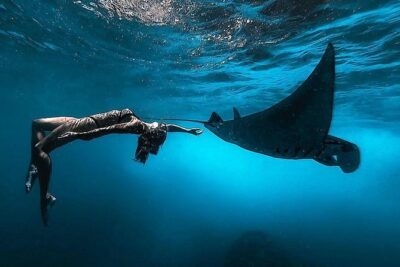
Nusa Penida Snorkeling Adventure (Private & All-Inclusive)
Read our review →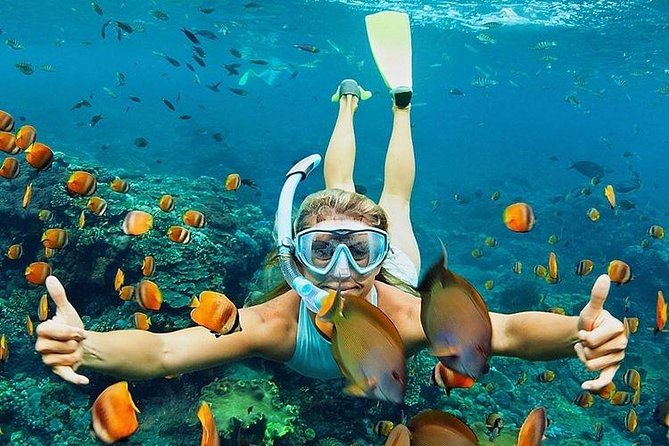
All Inclusive : Bali Blue Lagoon Snorkeling, Lunch, and Transport
Read our review →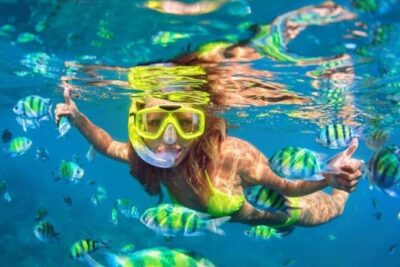
Bali Blue Lagoon Snorkeling – Lunch and Transport All Inclusive
Read our review →
Blue Lagoon Snorkeling – Lunch – Kantolampo – Tibumana Waterfall
Read our review →
Bali Blue Lagoon Snorkeling with Private Transfer & Lunch
Read our review →
Quad Bike Ride and Snorkeling at Blue Lagoon Beach All-inclusive
Read our review →Browse the lists this tour appears in