
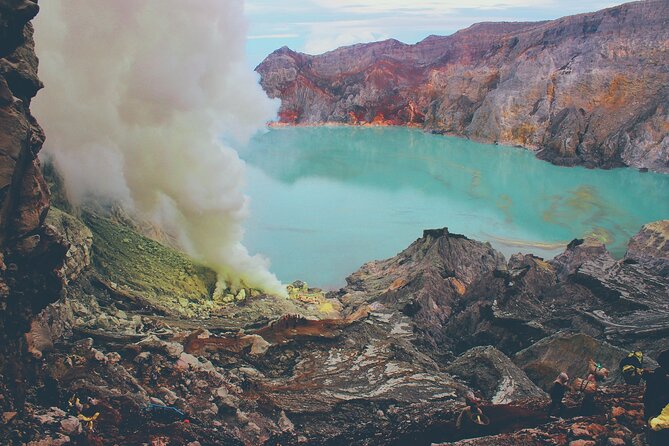
Reviewed · VOLCANO TOURS
Mount Ijen Crater Trekking Tour from Bali
The main reason to take this trip is the chance to see Ijen’s blue fire before dawn, a rare sight that appears only in darkness and only when weather and conditions allow. You’ll also see sulfur miners carrying huge loads up the mountain, then look into Java’s largest acid lake from the crater rim.
I like the practical setup: hotel pickup, ferry crossings, a flashlight, gas mask, local trekking guide, breakfast, and lunch are all covered. I also like the small maximum group of 10, which makes it easier to keep together on a rough night hike. The strongest praise goes to the courteous driver and the staff’s attention to safety.
The catch is the schedule. You leave Bali in the late afternoon, reach East Java around midnight, and begin walking soon after. The 3-kilometer trek is steep in places, the descent toward the crater can be difficult, and a wait for other members of the group may delay the start.
Key points before you book
- Blue fire comes first: You hike in darkness to try to see the blue flames, but weather conditions can prevent a sighting.
- This is a serious overnight trek: The route takes about one to two hours each way and requires good stamina.
- The ferry is part of the adventure: You cross from Gilimanuk in Bali to East Java, then return by ferry after the hike.
- You see sulfur mining up close: Miners carry 60 to 80 kilograms in bamboo pole baskets, often without modern safety equipment.
- The group is limited to 10 people: You get a more manageable group than on a large coach excursion.
- Health rules are strict: You need suitable clothing, a doctor’s health certificate valid for no more than three days, and good general fitness.
Why Ijen’s blue fire is worth the hard night
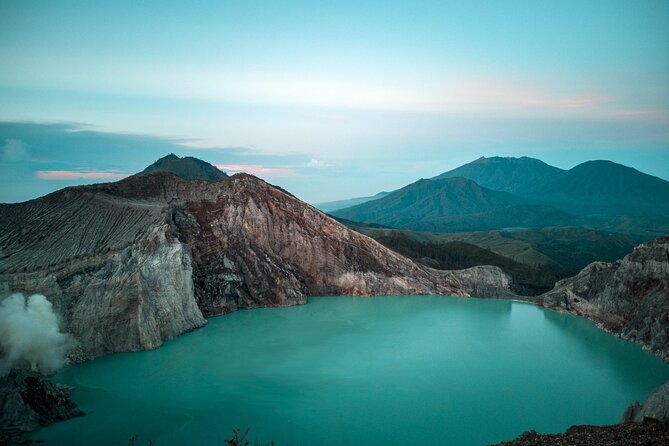
Ijen is not a casual sightseeing stop. The attraction is the unusual combination of a midnight mountain trek, sulfur mining, blue fire, and a vast crater lake viewed after sunrise.
The blue fire is the visual prize. You’ll reach the upper area before dawn, when any visible blue flames are easier to see. The sight depends on weather and conditions, so you should treat it as a possibility, not a promise. If fog, rain, or mountain conditions interfere, the trip still includes the crater viewpoint and the trek itself, but the most unusual part may not appear.
You’ll receive a flashlight and gas mask before setting off. The equipment matters. You’ll be walking in darkness and may encounter sulfur fumes near the crater area. Follow the local guide’s instructions closely, stay with the group, and use the mask when advised.
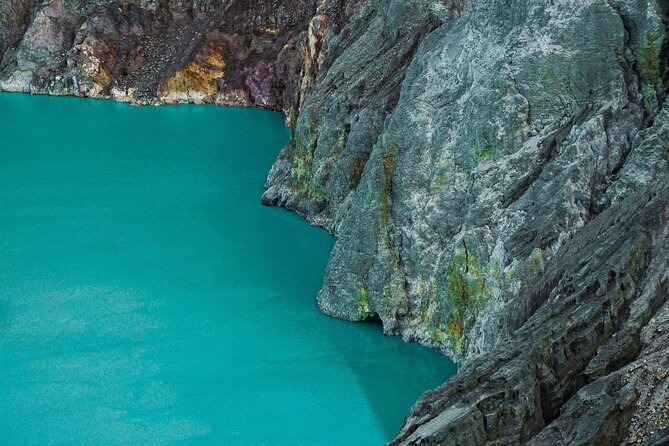
The crater also gives the trip a strong second act. After the early viewing, you’ll return down and see Ijen Crater in daylight. From the viewpoint, you can look into Java’s largest acid lake and take photographs in conditions that make the shape and color of the crater easier to appreciate.
More Hiking Tours in Ijen Crater
- Overnight Mount Ijen Blue Fire Trek Tour From Bali (Private-All Inclusive)
★ 5.0 · 133 reviews - From Banyuwangi or Bali Sunrise Ijen Vulcano Hiking All Inclusive
★ 5.0 · 50 reviews - Ijen Blue Fire Trekking
★ 5.0 · 44 reviews
Leaving South Bali at 5:00 pm
Pickup begins in the late afternoon from selected hotels in Kuta, Legian, Seminyak, Jimbaran, and Nusa Dua. The stated start time is 5:00 pm, though your exact pickup time is confirmed after reconfirmation.
This first transfer takes you across Bali to Gilimanuk Harbor in the west. It is a long travel day, so keep your expectations realistic. You are not simply being driven to a nearby trailhead. You are crossing an island, taking a ferry, and then continuing into East Java before the hike even begins.
The vehicle includes a driver who also acts as the tour escort from Bali to Banyuwangi. One useful point from the experience is that the driver was described as courteous, while the main guide was considered more average. That means the transport side may feel more polished than the guiding itself, though the local trekking guide still handles the mountain section and safety briefing.
You may also have to wait before the group leaves for the trail. A reported delay involved waiting in a house or building for other members to arrive so everyone could set off together. This is not ideal after a long drive, but it reflects the practical side of a small-group trip where the guide wants the full party together.
Crossing from Gilimanuk to East Java
At Gilimanuk, you board a ferry for the short sea crossing to East Java. You should arrive in East Java around midnight, then continue by vehicle toward the starting point of the trek.
The ferry makes the trip feel like a real journey rather than a simple transfer. It also adds time and uncertainty to the schedule. The entire experience lasts about 23 hours, so you need to plan for an overnight outing with little normal sleep.
The late-night arrival is the reason you should rest before pickup if you can. You will need energy for the climb, and the trip does not leave room for a long recovery period before the hike. Bring only what you need for the mountain, since the day includes vehicles, ferry terminals, and a demanding walking section.
Dinner is not included. Bring money for food or arrange something before departure, because the included meals are a light breakfast and a later restaurant lunch.
The 3-kilometer climb before dawn
Once you reach the trailhead, the local guide gives a safety briefing and provides a flashlight and gas mask. The route to the summit is about 3 kilometers, or roughly 1 mile, and takes around one to two hours.
The path includes uphill and flatter sections. Do not read the short distance and assume this will be easy. The steep sections, darkness, fumes, cold, and lack of sleep make the walk much harder than a normal daytime stroll.
You should wear sports shoes or proper hiking shoes, long pants, a sweater or sweatshirt, gloves, and a hat. A jacket is also listed among the required clothing recommendations. These items are not just for comfort. The early hours can feel cold, and your hands and head will be exposed while you walk and wait.
The tour requires a strong physical fitness level and good stamina. It is not suitable for children aged 15 and under, and the minimum age is 16. It is also not recommended for people with heart complaints, asthma, or other serious medical conditions.
A doctor’s health certificate is required, with a maximum validity of three days before the Ijen tour. If you do not have one, the operator may take you to a nearby doctor. That possibility can add another step and possibly more time, so arrange the certificate before the trip if you can.
More Volcano Tours in Ijen Crater
- Mount Ijen Crater Tour From Ubud Bali
★ 5.0 · 59 reviews - Ijen Crater Tour
★ 5.0 · 33 reviews - Mount Ijen Volcanic Crater Overnight Trip from Bali
★ 5.0 · 21 reviews - Ijen Crater Tour From Bali 1 Day
★ 4.5 · 11 reviews
Meeting sulfur miners on the mountain
One of the most sobering parts of the tour is seeing the work done by local sulfur miners. You may meet miners carrying yellow sulfur blocks weighing 60 to 80 kilograms in bamboo pole baskets across their shoulders.
The mining is done by traditional methods, using iron rods and without the safety equipment you might expect in a modern industrial operation. This is not a staged cultural performance. You are seeing hard, dangerous work carried out on the same mountain you are climbing.
You should be respectful. Give people room, listen to your guide, and avoid treating the work as a photo prop. The encounter gives the crater a human dimension, but it also makes the difficulty of the mountain more real.
The guide may help you understand how the mining fits into the visit, though the quality of the main guiding can vary. One experience described the tour guide as average, while the transport staff were more accommodating and safety-minded. I would book this trip for the mountain and the unusual setting first, not for a highly polished interpretive talk.
Trying for blue fire in the darkness
At the summit, you’ll have a chance to see Ijen’s blue fire before daylight. The phenomenon is caused by burning sulfur gases, and the dark conditions are essential for seeing the blue color.
Your guide will direct you where to go and how to use the gas mask. The conditions can be difficult, especially if fumes are present or the trail becomes challenging. The tour information also limits visitors to a maximum of 500 meters from the crater, so you must follow the local rules rather than wander for a better photograph.
Photography is possible, but do not let the camera distract you from footing, fumes, or the group. Bring a camera if you want to record the sight, but protect your own safety first. The exact blue fire viewing conditions are not guaranteed because weather can cancel or change the experience.
After the dark viewing, you’ll stop for a light breakfast on the mountain. It is a useful pause before the return section, but it should not be treated as a full meal. Since dinner is not included and breakfast is light, carry whatever personal snack or medicine you need within the operator’s rules.
Seeing the acid lake after daylight
The return route gives you a different view of Ijen. In daylight, the crater and acid lake become easier to see from the viewpoint, and you’ll have a better chance to take photographs of the mountain’s scale.
The tour description says the group is guided back down for a closer look and photo opportunities. At the same time, the crater rules restrict how close you can go, with a maximum distance of 500 meters from the crater. Conditions can also make the descent difficult, so listen carefully before moving toward any lower section.
The descent may be harder than expected. Tired legs, loose or uneven ground, and the overnight schedule all work against you. One account described both the ascent and descent into the crater as challenging, with difficult conditions but spectacular scenery. That is the right way to think about it: the views are the reward, but the route is not gentle.
Do not throw rubbish or seeds, discard cigarettes, or light fires. These rules protect an already harsh environment and reduce the risk of accidents.
Returning through Banyuwangi
After the crater visit, you return to the vehicle and travel to Banyuwangi Harbor. The late-morning ferry takes you back to Bali, followed by lunch at a local restaurant.
Lunch is included and is listed as Balinese food. Drinks are not included, so keep cash available and carry your own water if permitted. The tour ends with an afternoon drop-off at your hotel.
This final section is useful because the operator handles the full return rather than leaving you to arrange your own transport from East Java. The tradeoff is the long day. From the 5:00 pm pickup through the afternoon return, you will be in motion for close to 23 hours.
Is $153.85 a fair price?
At $153.85 per person, the value comes from the number of moving parts included. Your price covers hotel pickup and drop-off in selected South Bali areas, the Bali to East Java transfers, ferry crossings, the driver and Bali escort, local trekking guide, flashlight, gas mask, breakfast, lunch, taxes, and handling charges.
That is a useful package for anyone who does not want to arrange Bali transport, ferries, Banyuwangi transport, and a mountain guide separately. The maximum group size of 10 also helps justify the cost, since you are not being moved in a very large crowd.
The price is less attractive if you want comfort, sleep, or a relaxed schedule. Dinner and drinks cost extra, and you may face a wait before the climb begins. You are paying for access and coordination, not a restful holiday day.
The trip is booked on average about five days ahead, so do not leave it until the last moment if your Bali plans are fixed. Check your health certificate, avoid the first Friday of the month, and allow flexibility because poor weather can lead to a different date or a full refund.
Who should book the Ijen trek?
I would choose this tour if you are already staying in South Bali, want to see Ijen without planning the transport yourself, and are comfortable with a hard overnight climb. It suits people who value unusual natural sights and real contact with the working life around the mountain.
It is a good match for a fit person aged 16 or older who can handle a 3-kilometer uphill route, a difficult descent, cold conditions, sulfur fumes, and very little sleep.
I would not choose it for a family with young children, anyone with asthma or a heart condition, or anyone hoping for a leisurely volcano visit. The trip also makes little sense if you dislike ferries, long drives, waiting for a group, or uncertain weather.
Should you book this tour?
Book it if blue fire and the sulfur miners’ working world are high on your Java wish list and you want the transport handled from Bali. The driver, equipment, meals, local guide, and small group remove much of the planning burden.
Skip it if you need comfort or a guaranteed blue-fire sighting. Ijen is demanding, and the most important preparation is honest fitness planning. Bring proper shoes, warm clothing, gloves, a hat, required medicine, and a health certificate. With those basics covered, this is a tough but memorable way to see one of East Java’s most unusual natural sites.
FAQ
How long does the Mount Ijen tour last?
The experience lasts approximately 23 hours, beginning with pickup in the late afternoon and ending with hotel drop-off in Bali the following afternoon.
What time does pickup begin?
The stated start time is 5:00 pm. Your exact pickup time is provided after reconfirmation.
Which Bali areas offer hotel pickup?
Pickup and drop-off are offered from selected hotels in Kuta, Legian, Seminyak, Jimbaran, and Nusa Dua.
Is the ferry crossing included?
Yes. The tour includes the ferry from Gilimanuk Harbor in West Bali to East Java and the return ferry from Banyuwangi Harbor to Bali.
How far is the hike to Ijen Crater?
The route to the summit is approximately 3 kilometers, or about 1 mile. It usually takes around one to two hours and includes uphill and flatter sections.
Is the blue fire guaranteed?
No. You can try to see the blue fire before dawn, but the sight depends on weather conditions.
What equipment is provided for the trek?
The tour provides a flashlight and gas mask. You should also bring suitable clothing, hiking or sports shoes, gloves, a hat, and a jacket or warm sweater.
Is the tour suitable for children?
The minimum age is 16. The experience is not recommended for children aged 15 and under.
What meals are included?
A light breakfast and lunch at a local restaurant are included. Dinner and drinks are not included.
Just added around Ijen Crater
- Ijen Crater Private Guided Trekking Tour From Bali★ 5.0 · 4 reviews
- 1 Day – ULTIMATE Tour Ijen Blue Fire From Surabaya, Malang and Banyuwangi★ 5.0 · 5 reviews
- Kawah Ijen Midnight Tour (1 Day)★ 4.5 · 7 reviews
- Ijen Blue Fire & Sunrise Sharing Tour★ 5.0 · 6 reviews
- Kawah Ijen Blue Fire Tour – Share Package★ 5.0 · 7 reviews
- Ijen Crater Sharing Tour★ 4.0 · 3 reviews
- The Majestic Mount Ijen Sunrise Trekking From Bali★ 5.0 · 17 reviews
- Overnight Mount Ijen Blue Fire Trekking Tour From Bali★ 4.0 · 14 reviews
Volcano Tours, compared.
Borobudur Sunrise from setumbu Hill , Merapi Volcano & Prambanan Full Day Tour
Read our review →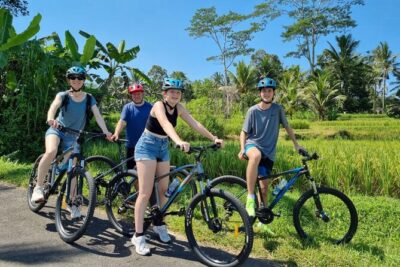
Ubud: Downhill Cycling with Volcano, Rice Terraces and Meal
Read our review →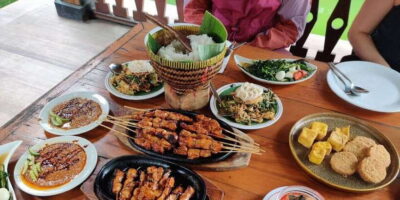
Jakarta: Volcano, Tea/Rice Fields, Hot Spring, Local Food
Read our review →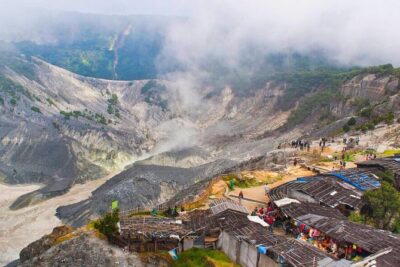
Active Volcano, Rice Field, Hot Spring, Fruit market, Tea Plantation with Lunch
Read our review →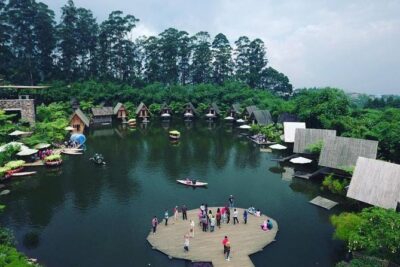
Private Guided to The White Crater & Surrounding Areas Tour
Read our review →
Borobudur(climb up), Merapi Volcano and Prambanan Temple Tour
Read our review →
Active Volcanoes Bromo and Ijen – Start Surabaya 3 Days and 2 Nights
Read our review →
Highlights of Ubud & Mount Batur Volcano – Private Day Trip
Read our review →Browse the lists this tour appears in