
Reviewed · CYCLING TOURS
Electric Cycling Tour of Ubud with Free Hotel Transfer and Lunch
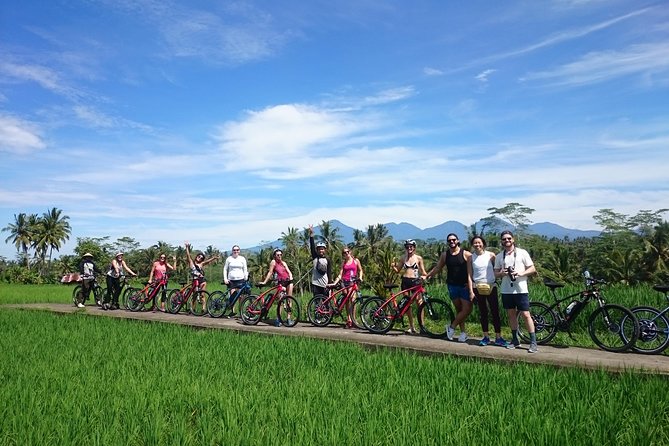
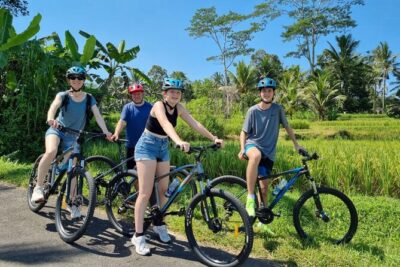
Ubud’s best cycling often begins where the cars thin out. This three-hour e-bike ride takes you from the town’s busy roads to rice terraces, village lanes, a temple, and a local coffee stop, with the electric motor helping on hills and rough paths. I especially like the rice-field riding and the guides’ care at traffic crossings. Lunch or dinner and hotel transfer add real value. The catch is that part of the ride uses busy roads, and narrow paths through the paddies require solid bike control.
The bikes are simple to use, even if you have never tried an e-bike, and you can pedal as much or as little as you wish. Guides such as Gusti, Putu, Gina, Wid, Anilya, Ketuk, and Saur have been singled out for clear instructions, local insight, and careful group management. Still, this is cycling, not a sightseeing bus. You need experience, covered shoes, sunscreen, and comfort around traffic.
Key points at a glance
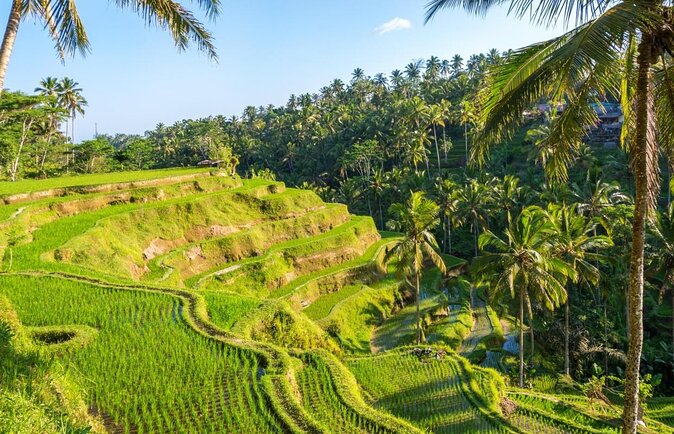
- Rice terraces without the full hill climb: The motor takes the sting out of Ubud’s slopes, heat, and uneven roads.
- A useful local introduction: Stops can include a temple, Balinese family compound, community spaces, farming areas, and a coffee plantation.
- Traffic support matters: Guides ride at the front and back, keep the group together, and help manage road crossings.
- Tegalalang is the photo stop: You get time for views and pictures at one of Ubud’s most recognizable rice-growing areas.
- Food is built in: Morning rides finish with lunch, while afternoon rides finish with dinner.
- Know your limits: You must already know how to ride a bicycle, weigh no more than 120 kilograms, and be at least 150 centimeters tall.
Why an e-bike is the right tool for Ubud
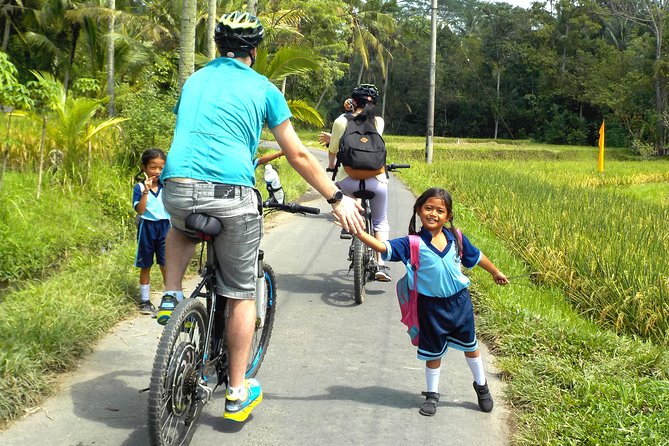
Ubud is not flat. The town sits among steep lanes, rice paddies, and roads that can shift from smooth pavement to rough, narrow tracks in a few minutes. Add Bali’s heat and humidity, and an ordinary bicycle ride can become a sweaty test of endurance.
The electric bicycle lets you choose your effort. You can pedal normally on easier stretches, then use the motor when a hill or rough patch takes more work. Several riders found the bikes easy to master, including people who had not used an e-bike before. That does not mean the ride is effortless at every moment. You still steer, brake, balance, and watch the road.
I would treat the electric motor as a safety and comfort aid, not a substitute for cycling skill. The route includes public roads with motorcycles, cars, and pedestrians. It also includes narrow, bumpy paths beside rice paddies. If you are a confident rider, this mix adds interest. If you are nervous on a bicycle, the road sections may feel more serious than the cheerful tour description suggests.
More Bike Tours in Ubud
- Ubud: Downhill Cycling with Volcano, Rice Terraces and Meal
★ 5.0 · 536 reviews - Ubud eBikes Tour to Tegallalang Rice Terrace
★ 5.0 · 507 reviews - Half-Day Ubud Electric Cycling Tour to Tirta Empul Water Temple
★ 5.0 · 315 reviews
Pickup from central Ubud and a short bike briefing
Hotel pickup and drop-off are included for the Ubud area. An air-conditioned minivan handles the transfer, so you do not need to find the office on your own. The listed meeting point is eBikes Bali on Jalan Tirta Tawar in Petulu, Ubud, and the activity ends back at the meeting point before you are returned to your hotel.
At the start, you receive a bicycle, helmet, and bottled water. The team checks the bike size and explains how the electric assistance works. This setup is especially useful for first-time e-bike riders because you can learn the controls before heading onto the road.
The tour can include up to 20 people, although the actual group may be smaller. One solo rider ended up with a private-style outing, while other groups had front and rear guides. Group size can affect the pace, but the guide system is designed to keep everyone together.
Wear covered shoes. Sandals are a poor match for pedals, rough paths, and sudden stops. Sunscreen is also a must. Bali’s sun can be strong even when the ride feels cool under trees.
Tegalalang Rice Terrace and the first big views
The Tegalalang Rice Terrace is the main scenic stop. You have about 30 minutes to look around and take photographs of the stepped fields. The terraces show how carefully farmland follows the shape of the hills, and the setting offers a sharp contrast to central Ubud’s shops and traffic.
The stop is short enough to keep the tour moving, so do not expect a long walk through the fields or an extended photo session. It is best seen as a focused view stop rather than a full agricultural visit. Bring your camera, but also watch your footing around uneven ground.
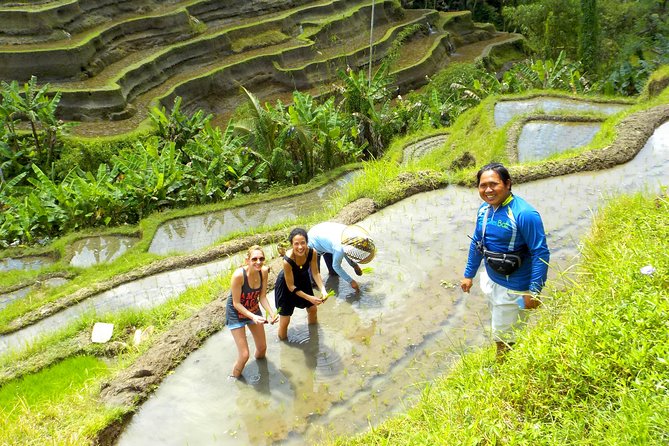
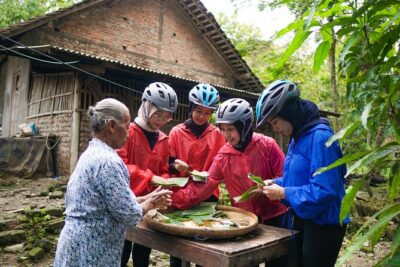
The cycling itself is often the more memorable part. You pass through countryside and rice-growing areas instead of simply being driven to a viewpoint. Along the way, guides explain local farming, offerings, village customs, and the role of rice in Balinese life. That context makes the terraces more than a pretty backdrop.
Some of the route away from the main road is narrow and rugged. You may need to slow down and concentrate, especially beside paddies where there is little room to correct a wobble. The electric motor helps with effort, but it does not steer the bike for you.
Temples, compounds, and ordinary Balinese life
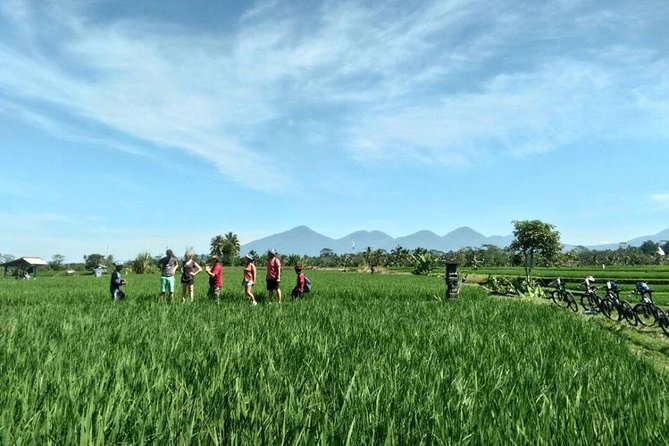
The route can include a temple and a traditional Balinese household compound. These stops add something many vehicle-based tours miss: a look at how religious practice and family life fit into the village setting.
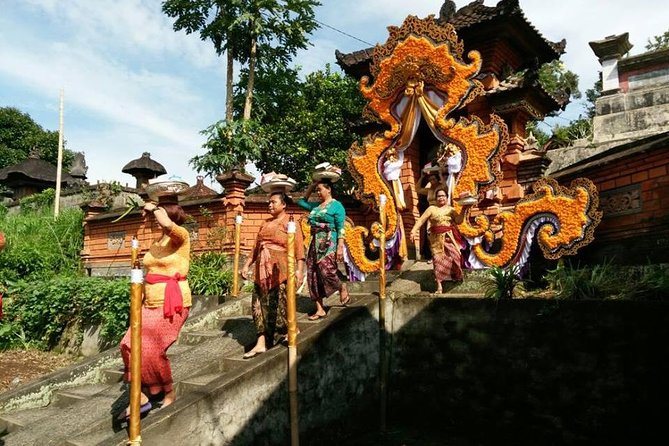
At the temple, guides have explained Balinese ideas about death, celebration, and offerings. You may also see people carrying offerings as part of everyday religious life. The value here comes from the explanation. Without a local guide, a temple can seem like a beautiful building with unfamiliar details. With context, the carvings, shrines, and rituals make more sense.
A traditional home compound gives you another view of local life. It is not simply a scenic stop. It shows how homes, family space, and community traditions are arranged. Some versions of the outing offer a choice between a traditional house and a coffee plantation, so the exact stop may vary.
This is one reason I like the tour for a first or second day in Ubud. You see the town’s surroundings while learning how rice farming, household life, and religion connect. It gives you useful bearings before you spend more time exploring Ubud on foot.
A completely different kind of day out in Ubud:
- All-Inclusive Ubud Private Tour
★ 5.0 · 14,344 reviews - Best of Ubud Full-Day Tour with Jungle Swing
★ 5.0 · 8,571 reviews - Ubud: Monkey Forest, Jungle Swing, Rice Terrace, and Water Temple
★ 5.0 · 7,160 reviews - Best of Ubud 1-Day Private Tour
★ 5.0 · 4,451 reviews
The coffee plantation and jungle swing
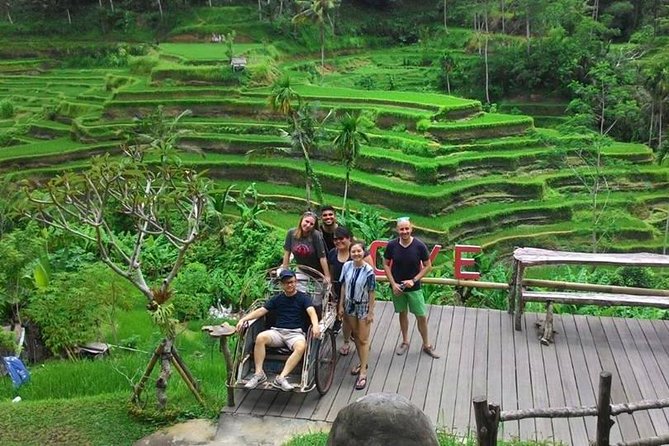
The coffee stop combines a local plantation visit with coffee and tea tasting. Guides explain how the drinks are made, and some outings include luwak coffee. The stop may also offer a large swing above the rice fields, which is a popular photo opportunity and a highlight for many families.
The swing is not the main reason to book the trip, but it adds a playful break after the more serious cycling and cultural stops. If you enjoy photos, this is one of the most striking spots on the route. If swings are not your thing, you can still appreciate the views and take a break.
You should approach the luwak coffee portion with care. One tour version raised concerns about the treatment of civets in small cages and felt more like a sales stop than a meaningful plantation visit. The plantation experience is not identical to the whole tour, so this issue does not erase the value of the cycling, rice fields, or cultural stops. Still, I would ask about the available alternatives and choose the traditional house if that option is offered and you prefer to avoid animal-related coffee production.
The coffee stop may also encourage purchases. You are not booking a shopping trip, but you should expect some commercial pressure at this type of stop. Go for the explanation and tasting, not because you need to buy coffee.
Riding safely through Ubud traffic
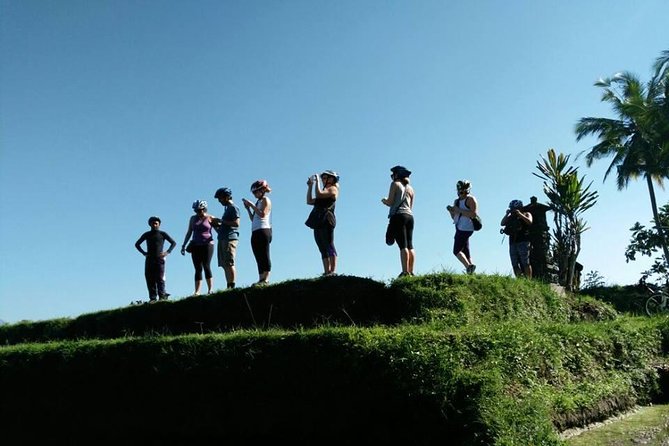
The tour’s strongest practical feature is the guide arrangement. Guides commonly ride at the front and back of the group, and they work to keep riders together. They also help at intersections and crossings, sometimes stopping traffic so the group can pass.
That support is important, but it has limits. A good guide can improve group safety, yet you remain responsible for steering, braking, and watching other road users. A large part of the ride may take place on public roads, and traffic can include motorcycles, cars, and pedestrians.
The quiet lanes through the rice fields are calmer, but they are not always easier. Some are narrow, uneven, and bumpy. The guide may offer an easier or more advanced route, depending on the group and conditions. If you are rusty on a bicycle, say so early and follow the simpler option.
I would not book this activity if you have not ridden a bicycle before. The operator requires bicycle experience, and that rule makes sense. You do not need to be a racer, but you should be able to start, stop, turn, and ride over uneven surfaces without panic.
Lunch after the morning ride, dinner after the afternoon ride
Food is included after the cycling portion. Morning departures finish with lunch, while afternoon departures finish with dinner. The meal is served at a local restaurant or cafe, and the menu can include several choices.
This makes the timing easy. You do not need to rush away after the last stop to find food, and the meal gives you a chance to sit down after the heat and exertion. Some outings also combine the meal with a traditional house visit, depending on the route.
The meal is a useful part of the value, though I would not book the tour solely for the food. The main draw is the combination of cycling, countryside, and local explanation. The included meal rounds out the half-day rather than turning the tour into a food experience.
The morning and afternoon versions offer different moods. Morning is likely the better choice if you prefer to ride before the day becomes hotter and finish with lunch. Afternoon suits you if you want a later start and dinner afterward. In either case, allow extra time beyond the stated three-hour activity if your hotel is outside central Ubud.
What the $41 price really covers
At $41 per person, the price is reasonable for an activity that combines a bicycle, helmet, guide, bottled water, hotel pickup and drop-off in Ubud, air-conditioned transport, scenic stops, and a meal. Paying separately for a bike, a guide, transport, and food could easily approach the same total, while giving you less structure.
The real value is the route planning and local support. You are not just renting an e-bike and guessing which roads lead to the rice terraces. The guide handles navigation, explains what you are seeing, and helps the group manage traffic.
The value drops if you are staying far from Ubud. One outing from Nusa Dua involved close to six hours of total transport and tour time, which made the cycling portion feel less efficient. Pickup is described for the Ubud area, so confirm your hotel location before booking. A long transfer can turn a three-hour activity into most of your day.
The 99 percent recommendation rate and 4.9 score from 1,397 ratings suggest very strong overall satisfaction, but the practical warnings matter more than the headline number. This is a well-liked tour for the right rider, not a universally easy ride.
Who will enjoy this Ubud ride most
I would recommend it to you if you want to see beyond central Ubud without spending half a day in a van. It works particularly well for couples, families with older children, and active visitors who want culture and scenery in one outing.
Families should note that children must be accompanied by an adult. The minimum height is 150 centimeters, and the maximum rider weight is 120 kilograms. Those limits are important because the bikes must fit properly and the route requires control.
The experience also suits you if you like a flexible level of effort. You can pedal harder when you want exercise or rely more on the motor during hills. The guides can help keep the group together, but the ride still requires attention.
I would skip it if you dislike riding near traffic, have poor bike balance, or want a completely smooth route. You might prefer a car-based countryside tour instead. I would also avoid the afternoon outing if you strongly prefer cooler riding conditions and early meals.
Booking, weather, and cancellation details
Confirmation is provided when you book, and mobile tickets are accepted. Free cancellation is available up to 24 hours before the start time. Changes or cancellations inside that 24-hour window are not refunded or accepted.
The ride requires good weather. If poor conditions force cancellation, you can receive a full refund or choose another date. That policy is useful in Bali, where sudden rain can affect both road safety and the comfort of riding narrow paths.
Service animals are allowed, and most people who meet the riding requirements can participate. Still, tell the operator about any concern before the start, especially if you are unsure about the bike size or your comfort on public roads.
Should you book this electric cycling tour?
Book it if you want an active half-day that combines Tegalalang, rice fields, village roads, local customs, a possible coffee stop, and a meal. The guides are the heart of the experience, and names such as Gusti, Putu, Gina, Wid, Anilya, Ketuk, and Saur have been praised for clear instruction, friendly help, and careful traffic handling.
Go in with the right expectations. You will ride on roads with traffic, and the rice-field paths can be rough and narrow. Bring covered shoes, sunscreen, and a willingness to concentrate. If you can ride confidently and want to see where cars cannot go, the $41 price offers a lot for a short outing. If you are not comfortable on a bicycle, choose another way to reach Ubud’s countryside.
FAQ
How long does the electric cycling tour last?
The cycling experience lasts approximately three hours.
Where does the tour start?
It starts at Ubud Cycling Tours, eBikes Bali, on Jalan Tirta Tawar in Petulu, Ubud, Bali.
Where does the activity end?
The activity ends back at the meeting point.
Is hotel pickup included?
Yes. Pickup and drop-off are included for hotels in the Ubud area.
Is transportation provided during the tour?
Yes. Transport is provided by air-conditioned minivan for the included transfers.
What food is included?
Lunch is included after the morning tour. Dinner is included after the afternoon tour.
Do I need bicycle experience?
Yes. You must have bicycle riding experience to participate.
Is there a rider weight limit?
Yes. The maximum rider weight is 120 kilograms, or 260 pounds.
Is there a minimum height requirement?
Yes. Riders must be at least 150 centimeters tall.
Can children join the tour?
Yes, but children must be accompanied by an adult.
Just added around Ubud
- Ubud private tours★ 5.0 · 4 reviews
- Ubud Village, Tegalalang Rice Terrace Swing, Tirta Empul Temple and Waterfafall★ 5.0 · 7 reviews
- Ubud Instagram: Waterfall Tours★ 5.0 · 57 reviews
- Ubud Waterfalls and Rice Terraces Private Day Tour★ 5.0 · 12 reviews
- Bali Half Day-Tour: Ubud Night Trip Packages★ 5.0 · 5 reviews
- Ubud VW Safari Bali Tour – Volkswagen Classic Car Trip★ 5.0 · 21 reviews
- Hidden Ubud: Waterfalls & Sacred Temples★ 5.0 · 6 reviews
- Ubud Full Day Tour Waterfall Monkey Forest Rice Terrace★ 5.0 · 4 reviews
Cycling Tours, compared.
Ubud: Downhill Cycling with Volcano, Rice Terraces and Meal
Read our review →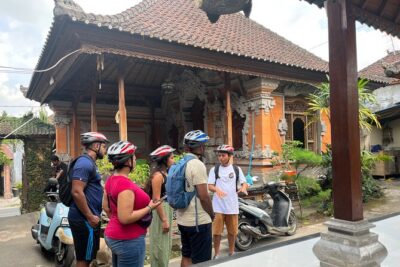
Quad Bike Ride and Snorkeling at Blue Lagoon Beach All-inclusive
Read our review →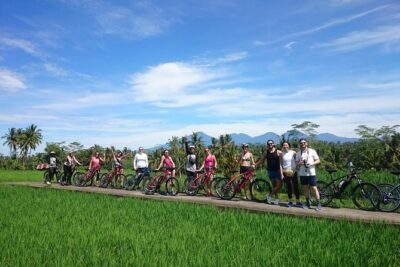
Half-Day Ubud Electric Cycling Tour to Tirta Empul Water Temple
Read our review →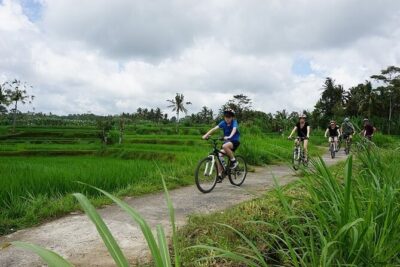
Kintamani Cultural and Nature Cycling Tour ( Manual Bike )
Read our review →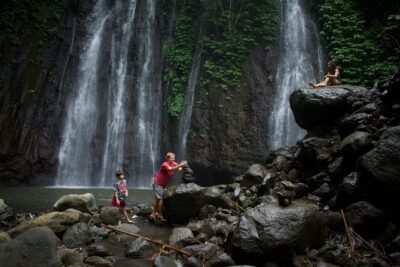
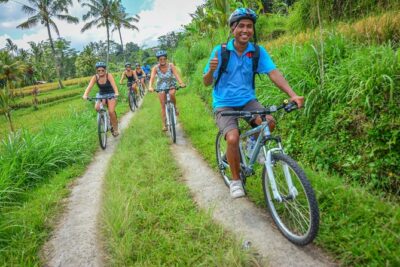
Browse the lists this tour appears in