
Reviewed · SOUTH BALI
Canggu Motorbike Lessons
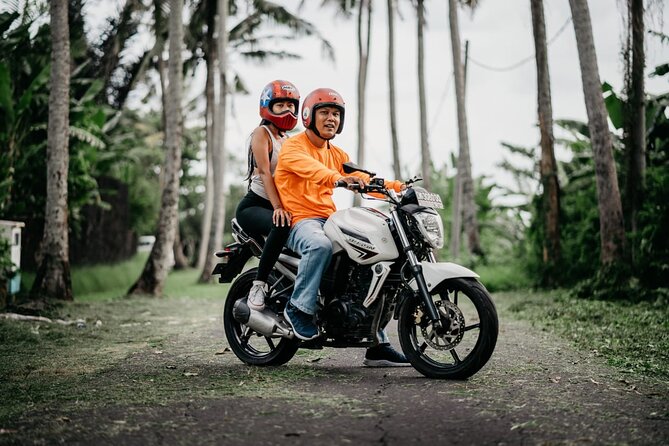
Learning to ride a manual motorbike in Bali is a very different task from renting an automatic scooter. This private two-hour lesson starts on a quiet village street, where you can work through the controls before facing regular traffic. The course is designed for people who already know how to ride a scooter but want to master a clutch and gears.
I like the patient, step-by-step format, especially the chance to take breaks when you need them. I also like that the instructor does not move you onto the street until you feel ready. Rico, Dino, and Gede are named instructors connected with the experience, and the feedback about them points to calm teaching, clear explanations, and confidence building.
The main catch is simple but important: this is not a beginner scooter class. You need prior scooter experience, a valid license, and enough physical confidence to handle a manual bike. At $35 per person, it offers good value for focused private instruction, but it is not a substitute for proper road experience.
Key points to know before booking
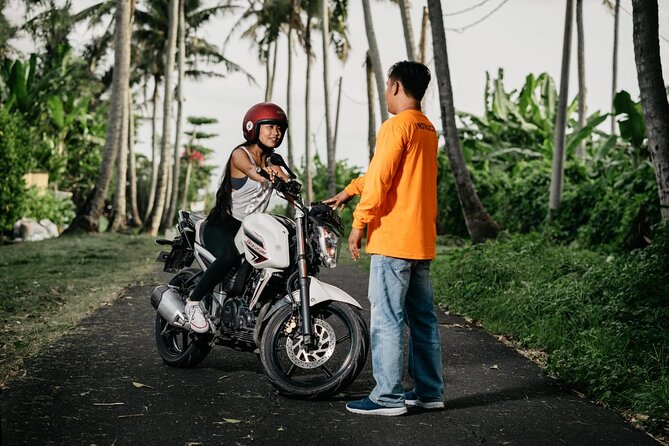
- Manual bike only: You will learn clutch control, gears, hill starts, and emergency braking on a motorbike rather than an automatic scooter.
- Scooter experience required: This class assumes you already understand basic balance, steering, throttle, and braking.
- Quiet start, street finish: Training begins on a calm village road before moving onto a street.
- Private instruction: Only your own group takes part, so the pace can match your confidence.
- Protective equipment included: A motorbike, helmet, knee protectors, elbow protectors, and bottled water are provided.
- Two hours can make a difference: The lesson focuses on practical control, but you still need a valid license and careful judgment afterward.
Why a manual lesson matters in Bali
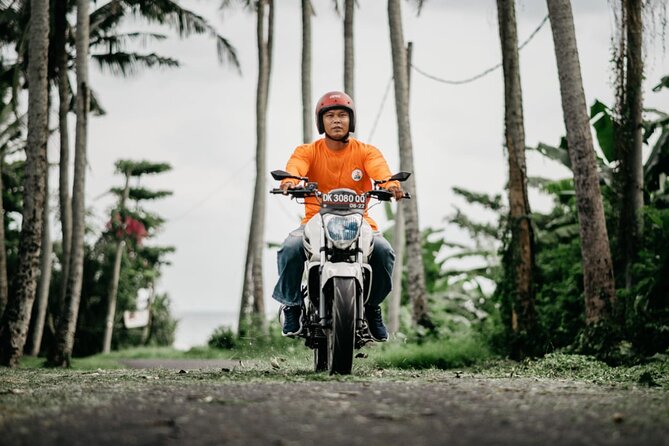
Many people visiting Bali first think about renting a scooter. Most rental scooters are automatic, so the basic task is fairly direct: twist the throttle, use the brakes, and steer. A manual motorbike adds another layer, because your left hand controls the clutch and your foot changes gears.
That extra work matters most when you start, slow down, climb, or stop on an incline. If you release the clutch too quickly, the engine can stall. If you choose the wrong gear, the bike may feel awkward or unresponsive. These are small errors on a quiet road, but they can become stressful in traffic.
This class gives you a controlled place to learn those habits. You are not simply handed a motorbike and sent into Canggu traffic. The instructor first explains how the machine works, then lets you practice the key movements before adding more pressure.
I see this as a skills lesson, not a sightseeing tour. There are no attractions or scenic stops built into the two hours. The value comes from learning a useful Bali transport skill in a setting where you can ask questions and repeat an exercise.
A few more things to do around South Bali
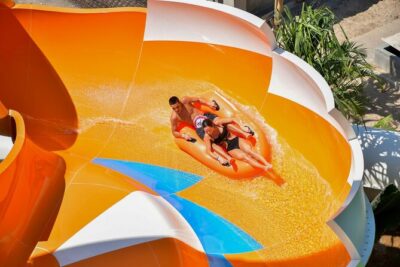
- Waterbom Bali Tickets – Single Day Pass
★ 4.5 · 620 reviews - Canggu: Drag Show with Dinner
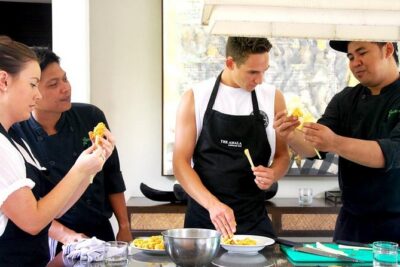
★ 5.0 · 414 reviews - Balinese Cooking Class in Seminyak
★ 5.0 · 281 reviews
Starting on a quiet village street
The meeting point is the C.S.L Meeting Point at 94GX+FX7, Canggu, Kuta Utara, Badung Regency, Bali 80351. The activity begins at 9:00 am and ends back at the same meeting point.
The location information uses Seminyak as the broader tour location, while the stated meeting point is in Canggu. Check your booking details carefully before setting out, and allow time to reach the exact meeting place. Private transportation is not included, so you need to arrange your own way there and back.
Beginning on a quiet village street is a smart choice for this kind of class. You can concentrate on the bike instead of trying to judge a stream of traffic at the same time. The instructor can watch your hands and feet, correct mistakes, and repeat an exercise without turning every error into a major problem.
The class is private, which makes this opening section more useful. If your clutch control is shaky, you will not feel pressured to keep pace with another student. If you learn quickly, the instructor can spend more time on street riding and less time repeating the very first steps.
Understanding the controls before moving
The first part is a theory session about the motorbike and the function of its controls. That may sound basic, but it is valuable if your scooter experience has left you unfamiliar with manual machines.
Expect to go over the clutch, gears, brakes, throttle, and the general operation of the bike. The goal is to know what each control does before you begin moving. A clear explanation at the start can reduce the instinct to grab the wrong lever or forget what your left foot should be doing.
This is also the moment to tell the instructor about your comfort level. The course is suitable for someone who has ridden a scooter but is nervous about a manual bike. It is less suitable if you have never ridden any two-wheeled motor vehicle.
The teaching style appears to be calm and gradual. One instructor, Dino, helped restore the confidence of a rider who had not driven for six months after an accident. That detail is useful, but it also points to a sensible limit: if you are recovering from an injury, you should judge your own fitness before booking.
Practicing clutch control and gears
The practical work begins with the controls that make a manual motorbike different. You will practice using the clutch, selecting gears, and getting the bike moving without losing control.
Clutch work is often the hardest part for a scooter rider. You need to feel the point where the engine begins to engage, then coordinate that movement with the throttle. The instructor can help you build this slowly rather than expecting a smooth start on your first attempt.
You will also learn how to change gears. The useful part of private instruction is the ability to repeat the same action until it feels natural. A short explanation is not enough for most people. Your hands and feet need practice, and the two-hour session gives you time to build that coordination.
The course includes hill starts, a skill worth taking seriously in Bali. Starting uphill requires more clutch and throttle control than moving away on flat ground. It can feel intimidating at first, particularly if you are worried about rolling backward, so learning it with an instructor beside you is safer than trying it alone on a public road.
Emergency braking is another core lesson. You will practice stopping quickly and controlling the bike under pressure. The exact exercise may vary with conditions, but the purpose is clear: you need to know how to slow down firmly without panicking.
A completely different kind of day out in South Bali:
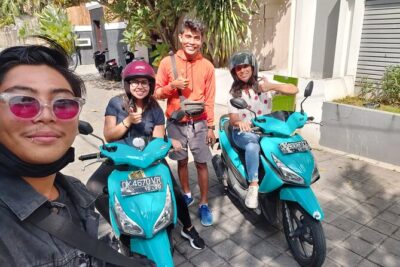
- Canggu Scooter Lessons
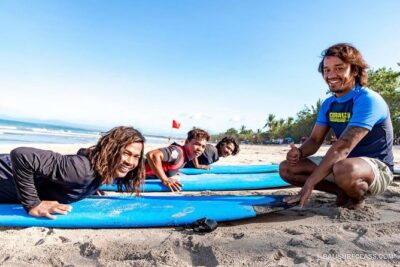
★ 5.0 · 195 reviews - Surf Lesson with a Personal Instructor at Kuta Beach
★ 4.5 · 192 reviews - Private Bali Horse Riding In Seminyak Beach
★ 4.0 · 171 reviews - The best surf lessons in Kuta
★ 5.0 · 144 reviews
Moving from practice to street riding
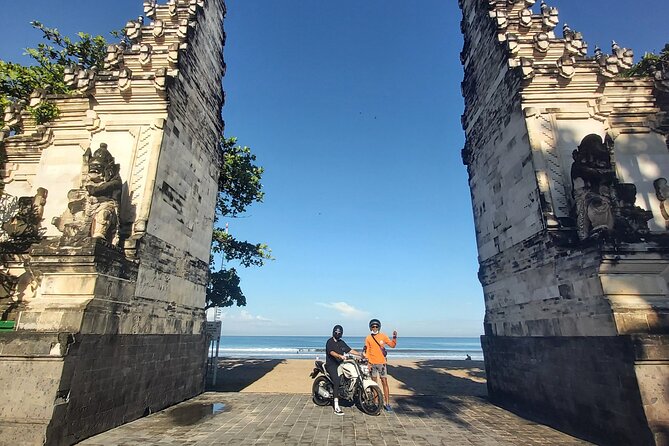
The instructor only continues onto a street when you are completely confident. That wording should not be treated as a promise that you will be an expert after two hours. It means the lesson is paced around your readiness rather than a fixed checklist.
Once you move beyond the quiet starting area, the focus changes. You must combine clutch control, gears, braking, steering, and awareness of the road. Even a short street section can show you where the weak points are.
This is the part that gives the lesson its practical value. Practicing in an empty area teaches bike control, but you also need to know how it feels to ride outside that practice space. The street session helps connect the mechanical skills with real movement.
At the same time, you should keep your expectations realistic. Two hours will not prepare you for every road condition in Bali. It can make the manual bike feel less strange and may help you decide if you are ready to continue practicing. You will still need patience, caution, and good judgment after the lesson.
The instructors and teaching style
Several instructor names appear with the activity, including Rico, Dino, and Gede. The teaching feedback connected with them points to a patient approach, simple explanations, and a willingness to move slowly.
Gede is especially associated with helping nervous riders get past their fear. One teaching note describes his lessons as easy to understand, while another describes learning quickly under his guidance. Those details suggest that he may be a good fit if you want a gentle introduction rather than a rushed technical class.
Rico is linked with helping a rider feel comfortable after two lessons. That is a useful reminder that one session may not be enough for everyone. Some people will grasp the clutch quickly, while others need another round before riding feels natural.
You can take breaks whenever needed. This is more important than it sounds. Manual riding demands concentration, and frustration makes coordination worse. A short pause can help you reset instead of forcing another attempt when your hands and feet are tired.
What is included for $35
The price is $35 per person. For a private two-hour lesson, that is reasonable if your main goal is instruction rather than transport or entertainment.
The fee includes the motorbike, helmet, bottled water, knee protectors, and elbow protectors. Those protective items are useful because the session includes repeated starts, stops, and practice movements. You should still wear sensible clothing and footwear, although no specific clothing rules are provided.
Private instruction improves the value. You are not paying for a large group where the instructor must divide attention among several people. The benefit depends on how well you use the time. Ask questions, repeat the movements that trouble you, and tell the instructor if you need a slower explanation.
Transport is not included. You need to reach the meeting point yourself, and the activity returns there at the end. Since the supplied location details refer both to Seminyak and to a Canggu meeting point, confirm the map pin before leaving your accommodation.
Who should book this class
This lesson suits an adult who already has scooter experience and wants to learn a manual motorbike before attempting longer rides. It also fits someone who feels nervous and wants a controlled first step with an instructor nearby.
It may suit a rider returning after a break. The reported teaching experience with someone who had not ridden for six months suggests that confidence can be rebuilt slowly. Still, you should have a moderate level of physical fitness and be honest about any injury or limitation.
The class is not intended for a complete beginner on two wheels. If you have never ridden a scooter, the clutch and gears will add too much at once. The experience also requires a valid license, so do not treat the lesson as a way around local licensing rules.
I would also avoid booking it if your main interest is seeing Bali from the road. The focus is instruction, and the street riding is part of the training rather than a guided excursion.
Timing, weather, and cancellation
The stated start time is 9:00 am, and the session lasts about two hours. Morning timing gives you a clear block of the day, but you should still allow extra time to reach the meeting point because private transportation is not provided.
The activity requires good weather. If poor weather causes a cancellation, you will be offered another date or a full refund. You can cancel for a full refund up to 24 hours before the start time. Changes or cancellations made less than 24 hours ahead are not accepted for a refund.
Because the class includes braking, hill starts, and street riding, weather is not a minor detail. A wet road can change the feel of the bike and make a beginner lesson less comfortable. Check the forecast and keep your schedule flexible.
Practical advice for getting more from the lesson
Arrive ready to listen before you ride. The theory portion is not filler, and understanding the controls first will make the practical work less confusing.
Tell the instructor exactly what you have ridden before. Scooter experience is required, but the amount of experience can vary widely. Someone who has used a scooter for months may need less basic practice than someone who has only ridden a few times.
Use the break option. If you are tense, stop and reset. The goal is not to complete every exercise at speed. The goal is to leave with a clear sense of how the clutch, gears, brakes, and throttle work together.
Pay close attention to hill starts and emergency braking. These are the areas most likely to expose weak control, and they are more useful than simply riding in a straight line. Ask the instructor to repeat anything that still feels uncertain.
Finally, do not assume that confidence after the lesson means you are ready for any road. Continue carefully, obey local licensing requirements, and gain more practice before attempting difficult routes.
Should you book Canggu Motorbike Lessons?
Book it if you already ride a scooter, want to learn a manual motorbike, and value private coaching over a sightseeing itinerary. The quiet starting area, protective equipment, flexible breaks, and gradual move to street riding make the format practical.
It is a particularly good choice for a nervous rider or someone returning after time away. The instructors are described as patient and clear, with Gede, Rico, and Dino each linked to confidence-building teaching.
Skip it if you have no two-wheeled experience, do not hold a valid license, or want a tour that takes you around Bali. At $35, the lesson offers solid value for focused practice, but its success depends on your preparation and your willingness to keep learning after the two-hour session.
FAQ
Is this lesson for a scooter or a manual motorbike?
It is a manual motorbike lesson, not an automatic scooter lesson. You will learn clutch use, gears, hill starts, and emergency braking.
Do I need scooter experience?
Yes. You must already have experience riding a scooter before taking this lesson.
Do I need a valid license?
Yes. The activity information states that you should have a valid license.
Where does the lesson start?
The meeting point is C.S.L Meeting Point, 94GX+FX7, Canggu, Kuta Utara, Badung Regency, Bali 80351, Indonesia.
What time does the lesson begin?
The stated start time is 9:00 am, and the lesson lasts approximately two hours.
What happens if the weather is poor?
The activity requires good weather. If it is canceled because of poor weather, you will be offered a different date or a full refund.
Just added around South Bali
- Well-Guided Local Textile Tour of Denpasar★ 5.0 · 13 reviews
- 90 Minutes Surfing Lesson in Canggu★ 5.0 · 25 reviews
- 2-Hour Canggu Private Guided Surfing Experience in Bali★ 5.0 · 3 reviews
- Private Experience Surf Lessons in Canggu★ 5.0 · 9 reviews
- Seminyak Horse back riding In the beach★ 4.5 · 4 reviews
- Backlanes and Hidden Sites: A Self-Guided Audio Tour in Seminyak★ 5.0 · 6 reviews
- Seminyak Indonesian Food Tour★ 3.5 · 7 reviews
- Private One on One Surf Lesson in Canggu area – Bali★ 5.0 · 13 reviews
South Bali, compared.

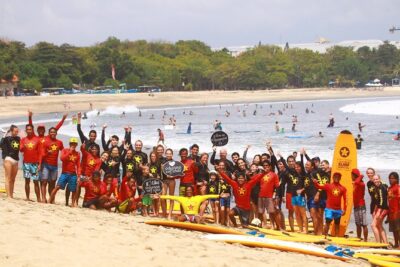
Surf Lesson with a Personal Instructor at Kuta Beach
Read our review →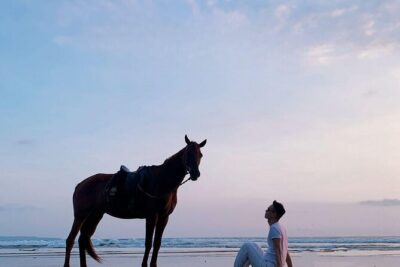
Browse the lists this tour appears in