
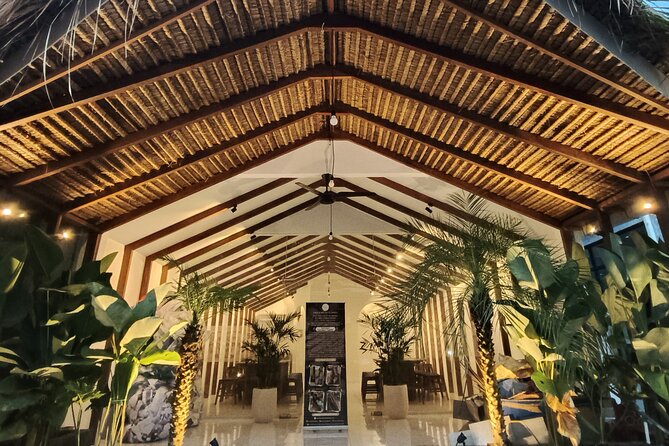
Reviewed · SILVER JEWELLERY CLASSES
Bali Seminyak Silver Class Activity and Take Your Own Creation
The most memorable part of this Seminyak activity is that your souvenir begins as a piece of raw silver and ends as jewelry made by your own hands. With guidance from local silversmiths such as Abi and Putu, you work through the full process rather than simply buying something from a shop.
I like the small-group format, which gives you personal help with fiddly work. I also like the practical value: up to six grams of pure silver is included, and you leave with a one-of-a-kind keepsake instead of another mass-produced trinket.
The main consideration is time. Two hours is enough for one design, but not for a large or highly complex piece. The studio is also not wheelchair accessible, and gold plating costs extra.
Key points to know before booking
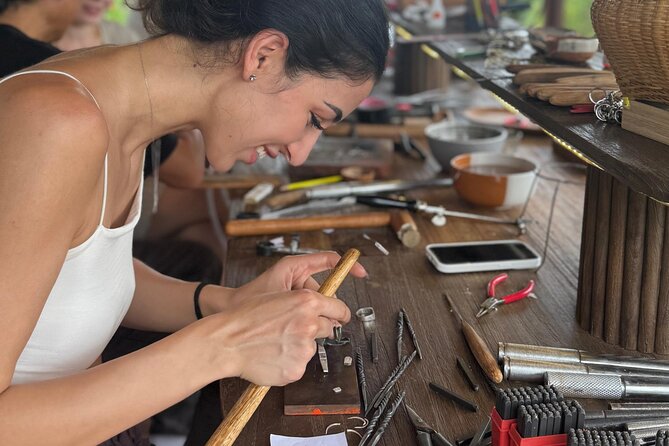
- You make one silver jewelry design: The included one to six grams of pure silver is enough for most rings, pendants, or other modest pieces.
- Abi and Putu provide hands-on help: Their patient, friendly teaching style is useful if you have never handled jewelry tools before.
- You use real silversmithing equipment: Expect files, grinding wheels, jeweler’s saws, stamping tools, and hammers.
- The class takes about two hours: Several class times make it easier to fit this into a day in Seminyak.
- You can upgrade the finish: Gold plating is available for an additional charge, including as part of an evening-class upgrade.
- The studio has air conditioning and Wi-Fi: That matters in Bali, especially while you are choosing a design or waiting for the class to begin.
Starting with a blank piece of silver in Seminyak
It is easy to buy silver jewelry in Bali. It is harder to buy a piece that means something because you made it yourself. This class solves that problem in a direct, hands-on way.
You begin at Padi Jewelry Classes, at Kōsame on Jl. Mertanadi No. 82 in Kerobokan Kelod, near Seminyak. The activity ends at the same studio, so you do not need to arrange a second pickup point.
The location is near public transportation, and the class does not include private transport. If you are staying in Seminyak, check your route and arrival time before booking. The meeting instructions use the Kōsame address, so keep that information available when you set out.
The studio is air-conditioned, which is more than a small comfort in Bali. Jewelry making requires concentration, and working with small tools is easier when you are not hot and tired. Free Wi-Fi is also available if you want to check a design idea, message friends, or get your bearings before the activity starts.
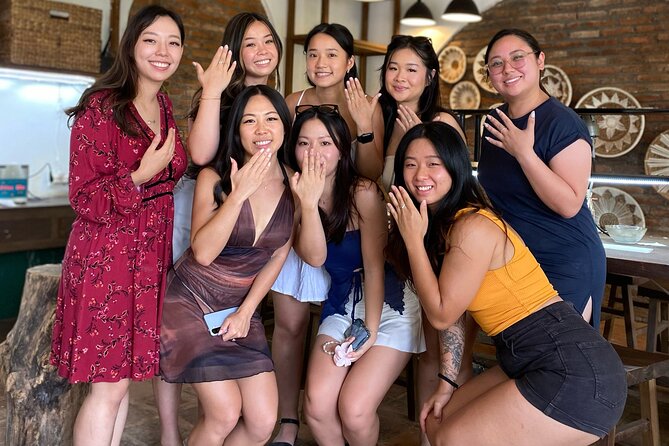
The class can accommodate up to 15 participants. That is still a manageable maximum, though the actual feel depends on how many people book your time. The small-group setup is intended to provide individual attention, and the strongest part of the teaching is the chance to ask for help when a cut, bend, or polish does not go as planned.
More Silver Jewellery Classes in South Bali
- Kuta Bali Silver Jewelry Making Class Near Kuta Beach
★ 5.0 · 57 reviews - Bali: Silver Jewelry Making Class in Seminyak and Legian
★ 5.0 · 46 reviews - Canggu Silver Jewelry Making Class: Create Unique Silver Jewelry
★ 5.0 · 31 reviews
Choosing a design before the tools come out
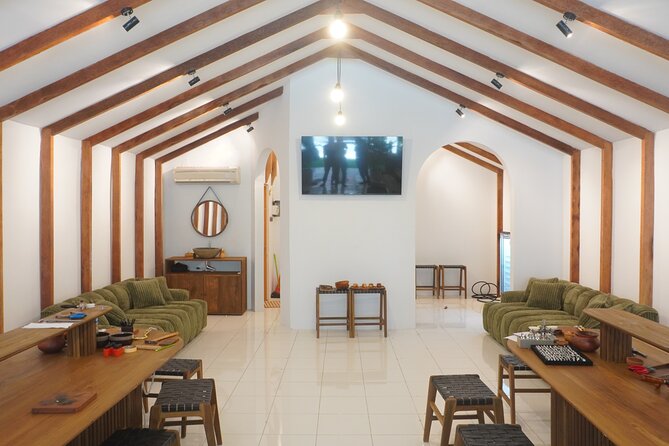
The first stage is planning. You relax in the waiting area, consider the possible design, and listen to the silversmith explain the process.
This pause is useful. A ring, pendant, or simple stamped piece may look easy until you start working with silver. Taking time to settle on a design helps you avoid wasting material and gives the instructor a clear idea of what you want to make.
The included silver allowance is one to six grams for one jewelry design. That is enough for most small pieces, but it is not an unlimited supply. You should think of the class as a chance to create a modest personal item, not a session for making a large bracelet or several pieces.
If you already have an idea, you can use the planning time to refine it. If not, the instructor can help you choose a manageable shape. Beginners should favor a design with clean lines and limited detail. The two-hour schedule rewards a clear plan.
You may also research ideas using the studio Wi-Fi. This is a useful touch because many people know they want something Balinese but have not decided whether that means a ring, pendant, charm, or stamped pattern.
Learning the full jewelry-making process
Once the design is set, the instructor shows you how to turn the raw silver into a finished object. The process covers the initial concept, shaping and working the metal, adding texture or marks, smoothing rough edges, and polishing the final piece.
You get to use professional jewelry-making tools, including grinding wheels, jeweler’s saws, and files. Stamping and hammering are also part of the skill set you may practice. These tools give the class more substance than a simple craft demonstration. You are not just decorating a premade blank. You are taking part in several real stages of jewelry production.
The tools can feel precise and unfamiliar at first. That is where the instructor’s help matters most. Abi and Putu are described as patient and informative, with a friendly approach that suits first-time makers. You should expect to receive direction throughout the process, especially when cutting, filing, or shaping the silver.
The class is hands-on, but it is not presented as a formal professional course. You will learn useful techniques and gain a feel for the work, but the goal is a finished souvenir within about two hours. This distinction is important. Book it for a creative activity and a personal keepsake, not for advanced silversmith certification.
What the two-hour schedule really allows
Two hours sounds generous, but the clock includes instruction, design decisions, tool work, and final polishing. You have enough time to make one piece, provided you keep the design practical.
A simple ring can require several steps even when the shape looks plain. The silver must be formed, joined or shaped as needed, filed smooth, and polished. A pendant or stamped item may be easier to manage, but the exact pace depends on your chosen design and how much guidance you need.
The schedule works well as a break between other Seminyak plans. You can choose from a wide range of class times, including the possibility of an evening session. That flexibility is valuable if you want to keep the middle of the day open for beaches, meals, shopping, or a spa appointment.
Do not arrive with the expectation that you can produce several elaborate pieces. The included material covers one design, and the class is structured around completing that single item. Concentrating on one piece also gives you a better chance of leaving with something polished and wearable.
Late bookings may require a little patience. One group arrived after booking at short notice and found the staff were not fully prepared, although the class still went ahead and everyone left with jewelry they liked. I would book ahead when possible, especially since the activity is booked an average of 17 days before the chosen date.
A completely different kind of day out in South Bali:
- Waterbom Bali Tickets – Single Day Pass
★ 4.5 · 620 reviews - Canggu: Drag Show with Dinner
★ 5.0 · 414 reviews - Balinese Cooking Class in Seminyak
★ 5.0 · 281 reviews - Canggu Scooter Lessons
★ 5.0 · 195 reviews
Why the personal instruction matters
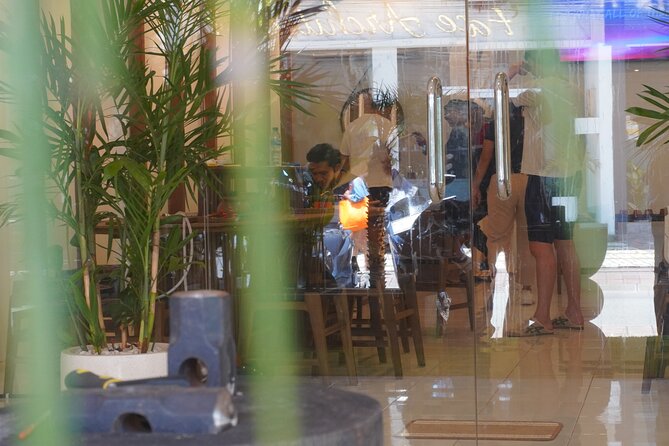
Jewelry work is full of small decisions. How much metal should you remove? How smooth should an edge be? How hard should you stamp a pattern? A little help at the right moment can keep a minor mistake from ruining the piece.
The small-group format is designed for this kind of assistance. You are not left to copy a demonstration from across a crowded room. The instructor can look at your work, explain the next step, and help you correct it.
This is particularly helpful for families and mixed-experience groups. One person may enjoy design, while another prefers using tools. The activity allows each participant to work at a personal pace within the same session.
The teaching also adds cultural value without turning the class into a lecture. You are learning a local craft from people who work with jewelry, then taking home an object connected to that time in Bali. The result is still a souvenir, but it carries your own effort and decisions.
The experience has received a full five-star rating from 37 participants, with all recommendations positive. The praise centers on friendly instruction, patience, personal attention, and the satisfaction of leaving with a wearable object. Those are the qualities I would consider most important when choosing a craft class.
Price, silver allowance, and optional gold plating
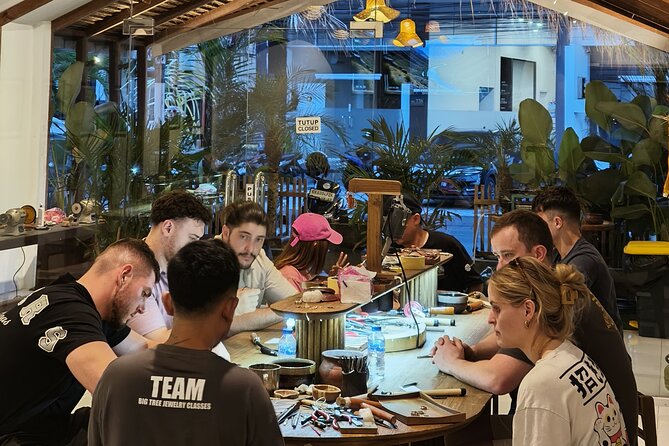
At $46.43 per person, the class is not the cheapest way to buy a piece of jewelry in Bali. Local markets can offer inexpensive silver items, and a shop purchase takes far less time.
The value here comes from three things: the instruction, the tools, and the creative process. You receive one to six grams of pure silver, use professional equipment in an air-conditioned studio, and get help from a silversmith while making the item. If you already want a meaningful souvenir and enjoy practical activities, that combination makes the cost easier to justify.
The material allowance is generous enough for most small designs, but pay attention to the limit. A larger piece or a design that uses more than six grams may require additional payment, though the provided details do not specify the extra rate. Ask about any added material cost before beginning if your design is substantial.
Gold plating is available for an additional charge. This can change the look of the finished item, but it is optional. I would decide whether you want a plain silver finish before booking, then ask about the current plating price if you are considering the upgrade.
An evening-class option is also available as an upgrade. The exact package details are not stated, so confirm what the evening option includes when you reserve.
Who will enjoy this activity most
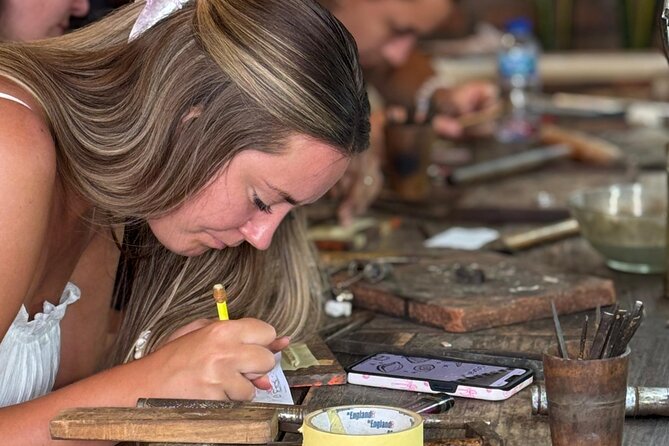
This class is a good match for you if you like making things, want a personal souvenir, or prefer a quiet creative activity to another sightseeing stop. It also works well for couples who want matching or complementary rings, families looking for an activity together, and solo visitors who appreciate patient instruction.
It is suitable for beginners. You do not need to arrive with jewelry-making experience, and the instructor explains the steps and provides the required tools.
You may want to choose another activity if your main goal is to buy a finished piece quickly, if you dislike careful handwork, or if you want to make several large items. The class is focused on one design and a limited amount of silver.
The studio is not wheelchair accessible. That is an important practical restriction, and you should contact the provider if you need to confirm any other mobility details. Most people can participate, but the activity involves standing or working at a jewelry bench and using small tools.
Getting the most from your class
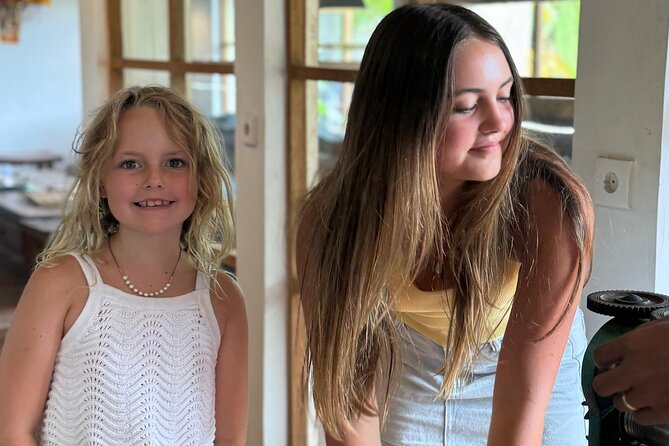
I would arrive with two or three simple design ideas rather than one complicated plan. A ring, small pendant, or stamped shape is more realistic than an intricate multi-part design within the time limit.
Wear something that lets you work comfortably. The provided details do not set a dress code, but jewelry making involves tools, metal dust, and close handwork. Keep valuables and loose items to a minimum so you can focus on the piece.
Use the waiting time well. Check the Wi-Fi, settle on your design, and ask how much silver it will require. If you are thinking about gold plating, ask about the added charge before the work begins.
Take your time with filing and polishing. Those finishing steps can make the difference between a rough craft project and a piece you are happy to wear. The instructors can help, but you should speak up if an edge feels sharp or a surface does not look finished.
Remember that the activity ends back at the meeting point. You will not need to arrange a separate return transfer, but you do need to plan your own way to and from the studio.
Booking flexibility and cancellation details
The class has mobile tickets and a large selection of start times. Confirmation is provided when you book, so you can fit the activity into a busy Bali schedule.
Free cancellation is available if you cancel at least 24 hours before the start time. Cancellations within 24 hours are not refunded, and changes made in that final 24-hour period are not accepted. The cut-off follows local Bali time.
Because short-notice bookings can leave the studio less prepared, advance booking is the safer choice. The activity is commonly reserved about 17 days ahead, which suggests that popular time slots may fill before your arrival.
Should you book the Seminyak silver class?
Book this class if you want a personal Bali souvenir and enjoy learning by doing. The included silver, real tools, air conditioning, flexible times, and patient help from Abi and Putu make it a practical choice for beginners.
Skip it if you want a fast shopping stop, need wheelchair access, or expect to make several complex pieces. For everyone else, the appeal is simple: you spend two hours turning raw silver into something that carries your own design choices. That is worth more than another souvenir pulled from a shelf.
FAQ
How long does the Bali silver class last?
The activity lasts approximately two hours.
Where does the silver class take place?
You meet at Kōsame, Jl. Mertanadi No. 82, Kerobokan Kelod, Kuta Utara, Badung, Bali 80361, Indonesia. The class ends at the same meeting point.
How much does the activity cost?
The listed price is $46.43 per person.
How much silver is included?
You receive between one and six grams of pure silver for one jewelry design.
Can I make more than one jewelry piece?
The included material is for one jewelry design. The activity information does not state whether additional silver or extra pieces can be purchased.
Are tools provided?
Yes. Professional jewelry-making tools are provided, including equipment such as files, grinding wheels, jeweler’s saws, stamping tools, and hammers.
Is gold plating available?
Yes. Gold plating is available for an additional charge.
Is the class suitable for beginners?
Yes. The instructor explains the process and guides you through the stages from the first design idea to final polishing.
Is the studio wheelchair accessible?
No. The activity information states that the location is not wheelchair accessible.
Can I cancel for a refund?
Yes, if you cancel at least 24 hours before the start time. Cancellations made less than 24 hours before the activity are not refunded.
Just added around South Bali
- Well-Guided Local Textile Tour of Denpasar★ 5.0 · 13 reviews
- 90 Minutes Surfing Lesson in Canggu★ 5.0 · 25 reviews
- 2-Hour Canggu Private Guided Surfing Experience in Bali★ 5.0 · 3 reviews
- Private Experience Surf Lessons in Canggu★ 5.0 · 9 reviews
- Seminyak Horse back riding In the beach★ 4.5 · 4 reviews
- Backlanes and Hidden Sites: A Self-Guided Audio Tour in Seminyak★ 5.0 · 6 reviews
- Seminyak Indonesian Food Tour★ 3.5 · 7 reviews
- Private One on One Surf Lesson in Canggu area – Bali★ 5.0 · 13 reviews
Silver Jewellery Classes, compared.
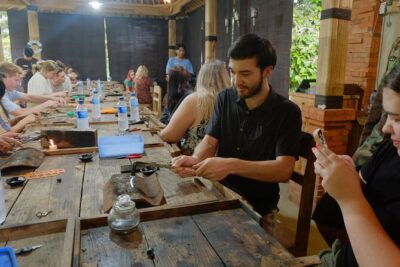
Ubud Monkey Forest Silver Class – Craft Your Own Silver Jewelry
Read our review →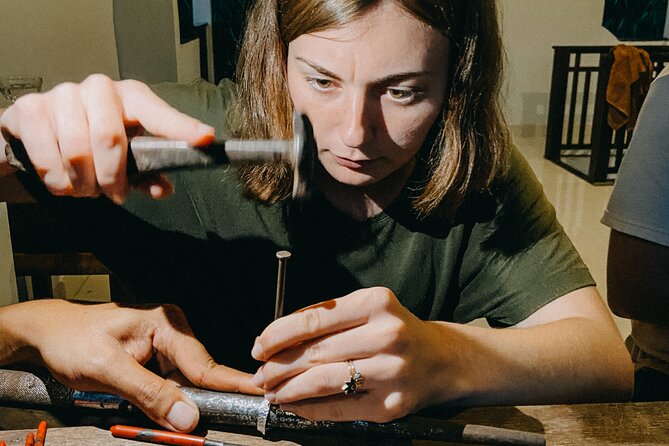

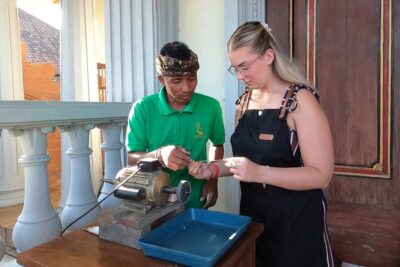
Private Traditional Bali Silver Jewelry Making Class
Read our review →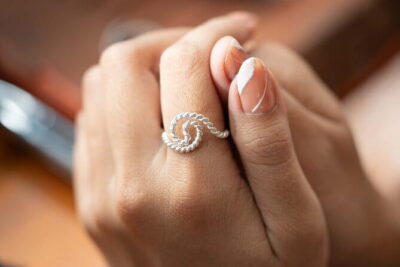
Kuta Bali Silver Jewelry Making Class Near Kuta Beach
Read our review →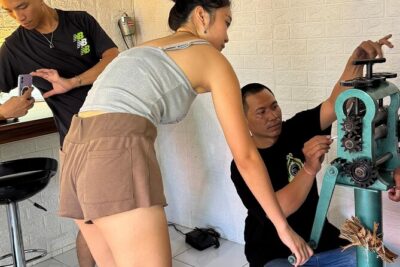
Bali: Silver Jewelry Making Class in Seminyak and Legian
Read our review →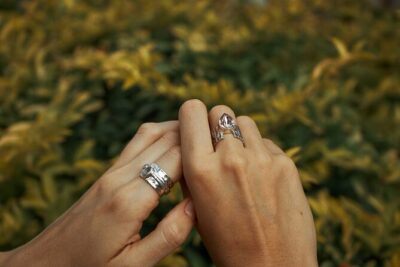
Canggu Silver Jewelry Making Class: Create Unique Silver Jewelry
Read our review →Browse the lists this tour appears in